

Post actualizado el día octubre 26, 2026 by DeiviSanzPlay
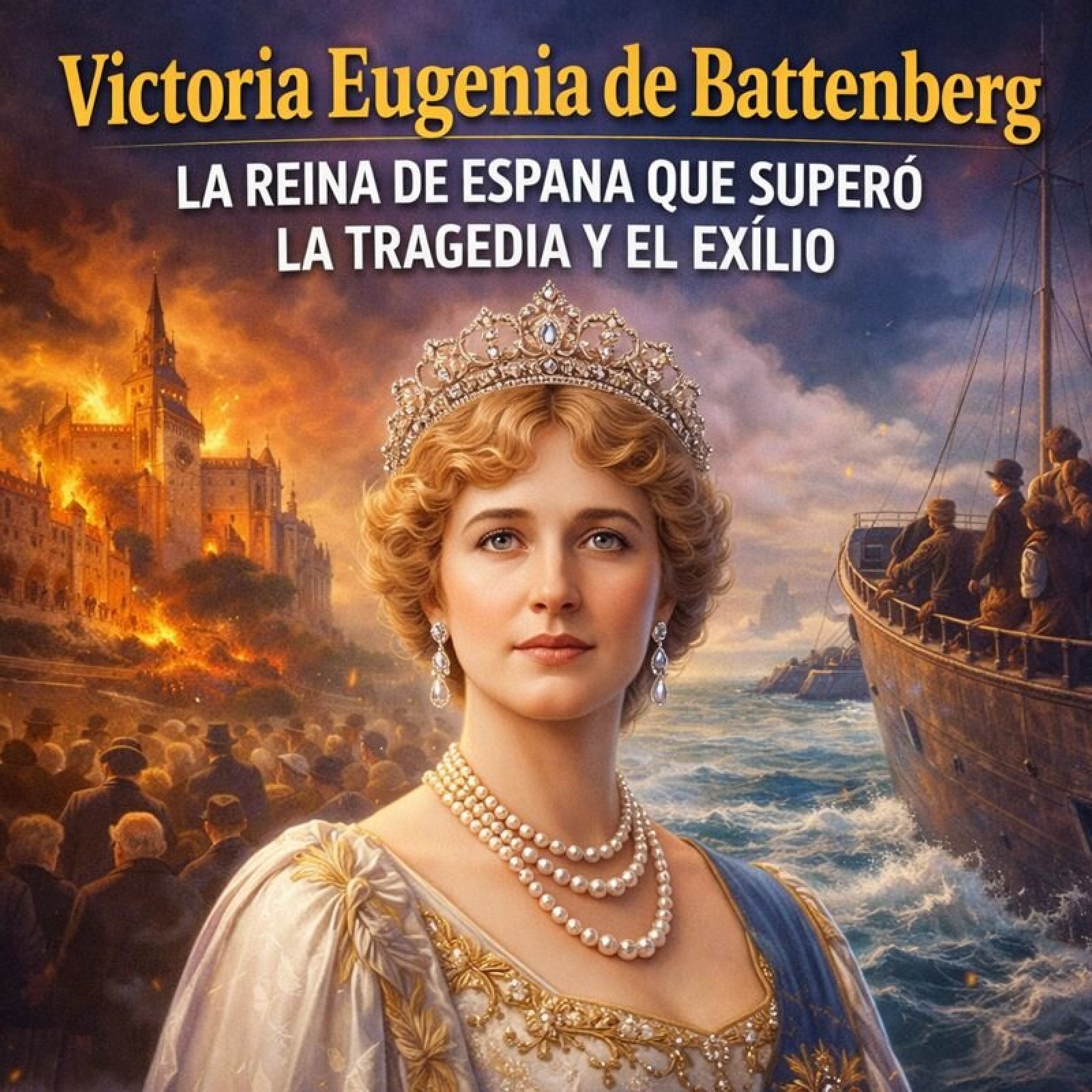
Victoria Eugenia de Battenberg wasn’t just another queen consort. She was the granddaughter of Queen Victoria, a carrier of the so-called «royal disease» —hemophilia— and the woman whose wedding day turned into a bloodbath. Her story is a brutal mix of duty, genetic tragedy, and a marriage that rotted from the inside. If you think the Spanish royal family’s modern dramas are messy, wait until you hear this one.
From Balmoral to Madrid: The Making of a Queen
Born in 1887 at Balmoral Castle, Scotland, Victoria Eugenia —nicknamed Ena— had blue blood written all over her. Her grandmother was Queen Victoria of the United Kingdom, which meant she inherited more than just prestige. She also carried the hemophilia gene, a mutation that affects blood clotting and that would haunt her descendants for generations.
To marry King Alfonso XIII of Spain, she had to convert to Catholicism. That ceremony took place in San Sebastián, and it was just the beginning of a life full of sacrifices. The Spanish royal family demanded absolute loyalty, and Ena gave it —even when her own body betrayed her children.
The Wedding Day Massacre: Blood on the Bridal Dress
May 31, 1906. Madrid. The church of San Jerónimo el Real was packed with nobles and royals. After the ceremony, as the bridal carriage made its way through the streets, an anarchist named Mateo Morral threw a bomb hidden in a bouquet of flowers. The explosion killed dozens of people instantly. The newlyweds survived by sheer luck, but the image of Victoria Eugenia’s white wedding dress soaked in the blood of victims became a cursed symbol of her reign.
That was day one. It didn’t get much better from there.
Seven Children, One Genetic Nightmare
Victoria Eugenia and Alfonso XIII had seven children. Two of them —Alfonso, Prince of Asturias (born 1907), and Infante Gonzalo (born 1914)— were born with hemophilia. The heir to the throne, Alfonso, had to renounce his rights because of his condition. He died young after a car accident. Gonzalo also died young, bleeding out after a minor crash.
The other children didn’t escape tragedy either. Infante Jaime (born 1908) became deaf as a child and also renounced his dynastic rights. Infanta Beatriz (1909) married Alessandro Torlonia. Infanta María Cristina (1911) lived a quieter life. Infante Juan, Count of Barcelona (1913), became the father of King Juan Carlos I and grandfather of Felipe VI —so yes, the current Spanish royal line comes from this chaotic bunch.
But here’s the thing: Alfonso XIII never forgave his wife for passing on the hemophilia gene. He blamed her, distanced himself, and his infidelities became public knowledge. The marriage was over in all but name. That’s not just royal drama —it’s a masterclass in how misogyny and ignorance can destroy a family.
A Queen Who Actually Did Something Useful
While her husband was busy cheating, Victoria Eugenia threw herself into social work. She became president of the Spanish Red Cross and modernized it, creating the Corps of Lady Nurses. She organized fundraisers, visited hospitals, and personally helped during the wars in Morocco. In 1922, Pope Pius XI awarded her the Golden Rose —an exceptional honor for a non-Italian queen.
She wasn’t a figurehead. She rolled up her sleeves and got things done. That’s the part of her legacy that often gets buried under the hemophilia drama.
Exile, Separation, and a Final Return
When the Second Spanish Republic was proclaimed on April 14, 1931, the royal family fled into exile. Victoria Eugenia and Alfonso XIII separated soon after. He died in Rome in 1941. She spent most of her remaining years in Switzerland, nearly 38 years away from Spain.
In 1968, she returned briefly to be the godmother at the baptism of her great-grandson, the then Infante Felipe de Borbón —today King Felipe VI. It was a symbolic closing of a wound. She died the following year, and since 1985 her remains rest in the Royal Pantheon of the Monastery of El Escorial, next to her husband and three of her children.
Why Victoria Eugenia Matters in 2026
For decades, history books reduced her to the hemophilia curse and her failed marriage. But modern research and TV series like Ena (2024) have rescued her as a figure of strength and dignity. She was the grandmother and great-grandmother of the kings who restored the monarchy in Spain, sure. But more importantly, she was a woman who turned a genetic tragedy and a toxic marriage into a life of public service.
So next time someone tells you the Spanish royals are just tabloid fodder, remind them of Victoria Eugenia. Her blood carried a curse, but her will carried a nation. That’s not a fairy tale —it’s real history, and it’s messier and more fascinating than any Netflix drama.
