Post actualizado el día octubre 26, 2026 by DeiviSanzPlay
If you’ve ever watched your dog snooze through half the afternoon and wondered whether that’s normal, the short answer is yes. A healthy adult dog sleeps somewhere between 12 and 14 hours a day, and some lazy couch potatoes push it closer to 16 or even 18. That’s not laziness. It’s biology.
How much a dog sleeps per day isn’t a fixed number. It swings depending on age, breed, size, activity level, and even the weather. Puppies and senior dogs sleep way more than a fit middle-aged dog, and large breeds tend to log more hours than small, wired-up ones. If you want the real picture, you have to look at the whole animal, not just the clock.
Why Dogs Sleep So Much (It’s Not Just Laziness)
Dogs are crepuscular by nature, which means their wild ancestors were most active at dawn and dusk. The rest of the day was spent conserving energy for hunting and surviving. That genetic wiring hasn’t disappeared just because your dog now eats kibble from a bowl.
On top of that, dogs cycle through sleep differently than humans. They spend a bigger chunk of their rest in REM-like phases, which is when the brain consolidates memories and processes the day. A dog that sleeps well learns faster, reacts better to training, and stays calmer around strangers and other animals.
There’s also a simple metabolic reason: dogs burn energy fast during short bursts of activity, then need long recovery windows. A 20-minute sprint at the park can knock out a dog for hours. So when you ask how much a dog sleeps per day, you’re really asking how much recovery it needs after being a dog.
Sleep Hours by Age: Puppies, Adults, and Seniors
Age is the single biggest factor. A puppy can sleep up to 20 hours a day, and that’s not a sign of illness. Their bodies are growing, their brains are wiring themselves, and their immune systems are doing heavy lifting. Skipping that sleep stunts development and makes them bitey and anxious.
Adult dogs settle into the 12 to 14 hour range. Working breeds like Border Collies or Belgian Malinois might sit at the lower end, while English Bulldogs or Basset Hounds happily push 16. Senior dogs often bounce back up toward 18 hours as their joints ache and their energy fades.
Here’s the breakdown that actually matters:
- Puppies (0-1 year): 18-20 hours, split into many short naps
- Adult dogs (1-7 years): 12-14 hours, mostly at night plus a few daytime naps
- Seniors (7+ years): 16-18 hours, often with disrupted nighttime sleep
If your adult dog suddenly needs 20 hours, that’s not a breed quirk. That’s a vet visit.
Breed and Size Change the Math
Large and giant breeds sleep more than small ones. A Great Dane or Saint Bernard can easily log 16 to 18 hours a day. Their bodies are massive, their joints take a beating, and their metabolisms run slower. Small breeds like Chihuahuas or Jack Russells are often alert and ready to go at a moment’s notice, clocking closer to 12.
Brachycephalic dogs, the flat-faced ones, also tend to sleep more during the day because their breathing is less efficient. They tire faster and need more recovery. It’s not cute laziness; it’s a physical limitation you should respect.
So when someone asks how much a dog sleeps per day, the honest answer is: it depends on the dog in front of you, not a generic chart.
When Too Much Sleep Is a Red Flag
Sleep is normal. Sudden changes in sleep are not. If your dog goes from 13 hours to 19 overnight, or starts sleeping through meals and walks, something is off. Common culprits include pain, thyroid issues, anemia, infection, or depression after a big change like a move or the loss of a companion.
Watch for these signs alongside heavy sleeping:
- Refusing food or water
- Whining or pacing at night instead of sleeping
- Stiffness when getting up
- Sudden aggression or withdrawal
- Vomiting, diarrhea, or weight loss
Any of those combined with extra sleep means you call the vet. Don’t wait it out hoping it’s a phase.
How to Help Your Dog Sleep Better Tonight
You can’t force a dog to sleep, but you can set the conditions. The basics work better than any gadget.
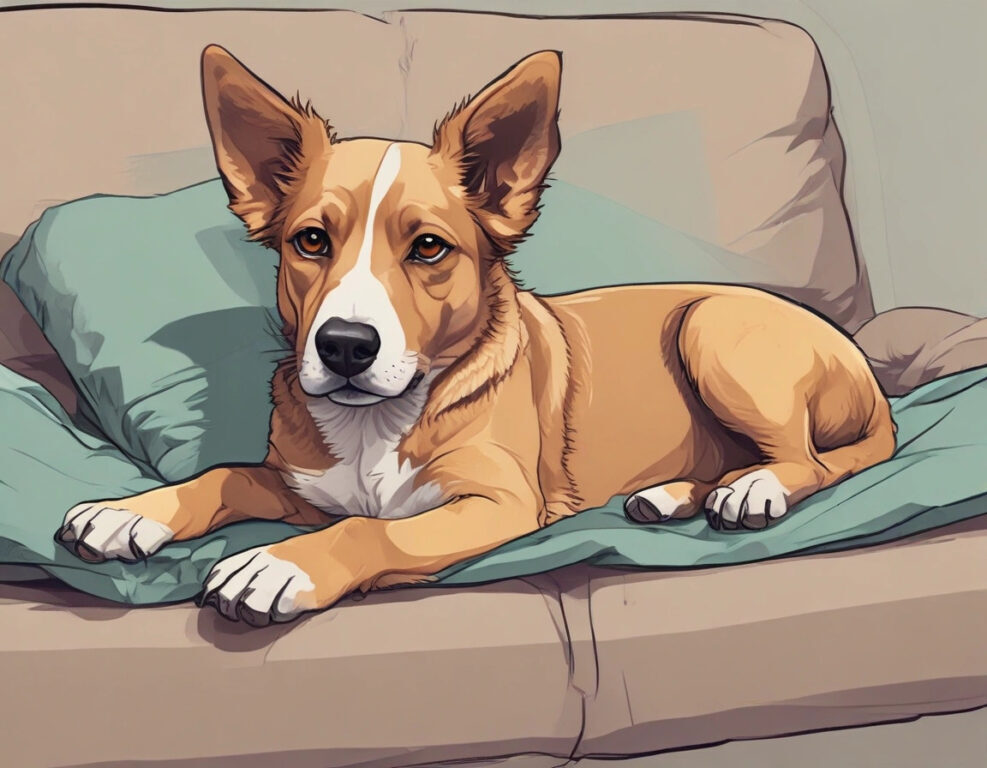
First, give them a dedicated spot. A crate, a bed in a quiet corner, away from the front door and the washing machine. Dogs sleep deeper when they feel safe and don’t have to stay half-alert.
Second, burn energy during the day. A tired dog sleeps. Two solid walks plus some fetch or puzzle toys will do more for nighttime rest than any supplement. Bored dogs sleep out of boredom, which looks like rest but isn’t restorative.
Third, keep the evenings calm. Loud TV, arguments, or random visitors spike cortisol and wreck deep sleep. Dim the lights, lower your voice, and let the dog wind down.
If your dog is sleeping 14 hours and still seems tired, the problem isn’t sleep quantity. It’s sleep quality, or something medical. Fix the cause, not the symptom.
The Bottom Line on Canine Sleep
There’s no single number. A puppy needs 20 hours, an adult Lab needs 13, and a senior Greyhound might need 18. What matters is consistency. If your dog sleeps roughly the same amount every day and wakes up alert, they’re fine.
Stop feeling guilty about letting them nap. That dog sleeping on your couch isn’t wasting the day. It’s recharging so it can be the same ridiculous, loyal, overexcited best friend tomorrow morning. Let them sleep.
And if you notice a sudden shift in how much a dog sleeps per day, trust your gut and get it checked. Better a boring vet visit than a missed problem.