Post actualizado el día octubre 25, 2026 by DeiviSanzPlay
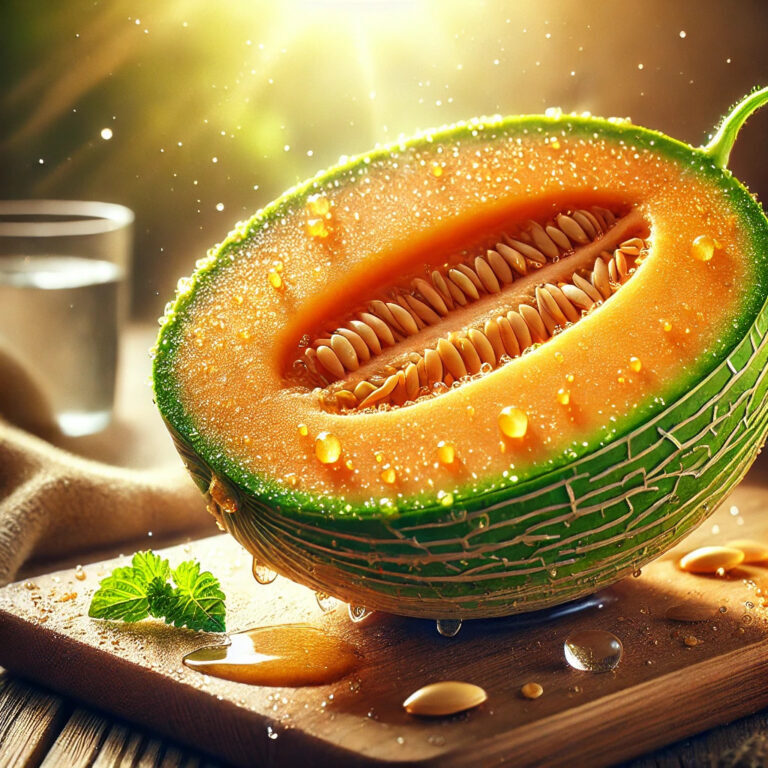
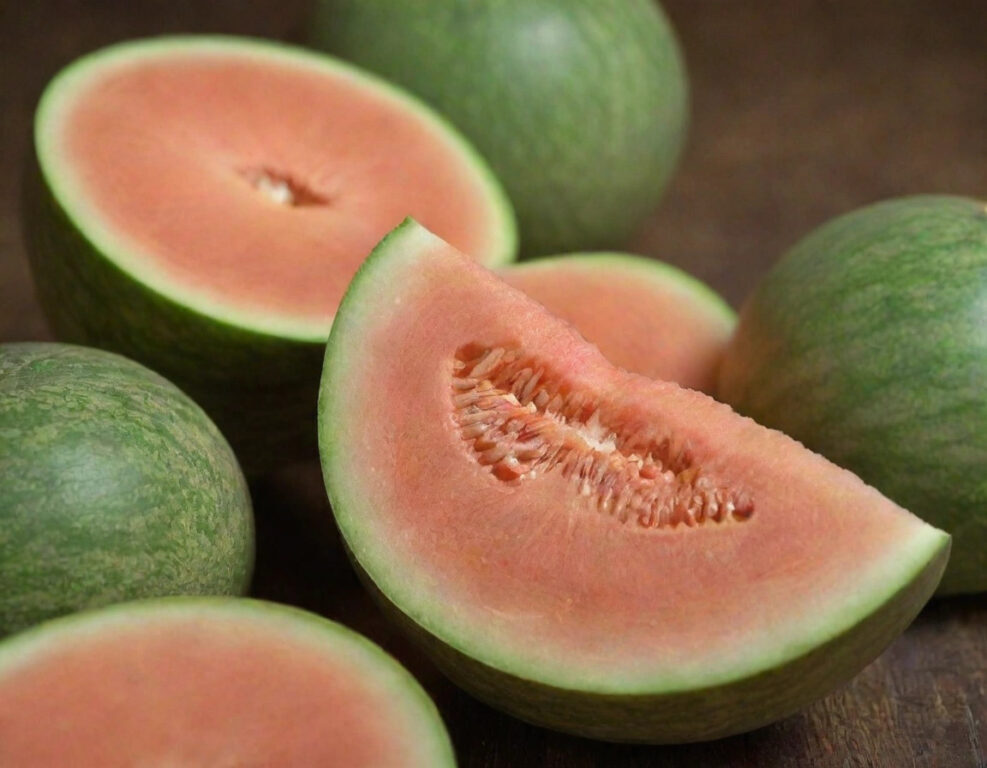
Melon isn’t just that summer fruit that saves you from the heat. If you take a look at its composition, you’ll be amazed: more than 90% water, fiber, vitamin C, potassium, and a ton of antioxidants that many people overlook. And no, it’s not a fruit «that makes you fat» as some people keep saying. Quite the opposite. Here I’ll tell you about the health benefits of melon without any fluff and with data you can verify.
Real hydration: melon is water with vitamins
When it’s hot, drinking water is fine, but melon gives you liquid with electrolytes. Its water content is around 90%, making it one of the best fruits for staying hydrated without chugging liters of boring water. Plus, its potassium helps balance sodium levels, which is key if you sweat a lot or play sports.
A fact few people know: melon has a moderate glycemic index (around 65), but its glycemic load per serving is low because it’s almost all water. In other words, it doesn’t spike blood sugar like many believe. That said, if you’re diabetic, don’t go overboard with portions.
Vitamins and minerals you can actually feel: C, A, potassium, and magnesium
One cup of diced melon (about 160 grams) gives you more than 50% of the vitamin C you need per day. That’s nothing to sneeze at. It also provides beta-carotene, which the body converts into vitamin A, essential for eyesight and skin. And watch out for the potassium: 267 mg per cup, ideal for regulating blood pressure.
Magnesium and folate are also there, though in smaller amounts. Why does it matter? Because magnesium participates in more than 300 enzymatic reactions, from muscle contraction to energy production. So there you have it: melon is a fruit rich in vitamins and minerals that many underestimate compared to oranges or bananas.
Digestion and constipation: the fiber in melon does its job
The dietary fiber in melon isn’t the highest in the plant kingdom (1.6 g per cup), but it helps. And it helps even more if you combine it with enough water, because fiber without liquid can actually worsen constipation. Melon already brings its own water, so it’s a perfect combo for going to the bathroom regularly.
It also contains an enzyme called adenosine, which some studies link to anti-inflammatory and heart-protective effects. It’s not magic, but it adds up. If you have heavy digestion, a piece of melon for dessert won’t sit badly with you—quite the opposite.
Radiant skin and a strong immune system: the vitamin C + beta-carotene tandem
Vitamin C is famous for boosting defenses, but it’s also essential for producing collagen. Without collagen, skin dulls and joints suffer. Beta-carotene, for its part, fights the free radicals that cause wrinkles and spots. So melon for your skin isn’t a fairy tale: it’s pure biochemistry.
And the immune system? Eating melon regularly helps you maintain optimal vitamin C levels, which reduces the duration and severity of common colds. It’s not a vaccine, but it’s a good natural shield. That said, don’t expect miracles if your diet is a disaster.
Does melon make you fat? The truth about its calories and sugars
Melon has about 34 calories per 100 grams. That means a generous 200-gram serving doesn’t even reach 70 calories. So where’s the problem then? In the quantity. If you eat half a melon in one sitting, you’re taking in about 40 grams of sugar (fructose, glucose, and sucrose). That’s not so innocent anymore.
The key is moderation. One or two cups a day are perfect for taking advantage of the benefits of melon without overdoing it on sugar. And if you’re one of those who eats it with ham, watch out for the salt in the ham—that’s where sodium really spikes.
Melon and blood pressure: potassium as a silent ally
Hypertension is a silent problem. The potassium in melon helps excrete sodium through urine, which relaxes blood vessels and reduces pressure. Several studies associate potassium-rich diets with a lower risk of strokes.
We’re not talking about a medication, but rather a dietary habit that adds up. If you take diuretics or have kidney problems, consult a doctor before increasing potassium suddenly. «It works for me» doesn’t cut it here.
Antioxidants: melon fights cellular aging
In addition to vitamin C and beta-carotene, melon contains lutein, zeaxanthin, and cryptoxanthin. These carotenoids accumulate in the retina and protect against macular degeneration. So there you have it: melon is a natural antioxidant that takes care of your eyes more than you think.
It also has cucurbitacin B, a compound that in laboratory studies shows anti-inflammatory properties. Don’t jump to conclusions: we’re talking about in vitro trials, not about eating melon curing diseases. But the combination of nutrients does make a difference in the long run.
How much melon should you eat per day? The dose I recommend
One cup of diced melon (about 160 g) per day is a sensible serving for most people. If you play sports or sweat a lot, you can go up to two cups. If you have diabetes or insulin resistance, better to stick with one cup and always pair it with protein or healthy fat (some nuts, for example).
Avoid eating melon late at night if you have slow digestion, because its sugar can keep you wired. And don’t replace water with it: melon hydrates, but it doesn’t replace your daily fluid intake. It’s a complement, not a substitute.
Melon isn’t a miracle fruit, but it is one of the most complete of the summer. Cheap, refreshing, and full of nutrients. All you need is not to eat a whole one thinking that «since it’s fruit, nothing will happen.»
So now you know: if you want to stay hydrated, take care of your skin, improve your digestion, and strengthen your defenses, melon deserves a permanent spot in your fridge. No excesses, no myths, and with good judgment. That’s all.