Post actualizado el día octubre 26, 2026 by DeiviSanzPlay
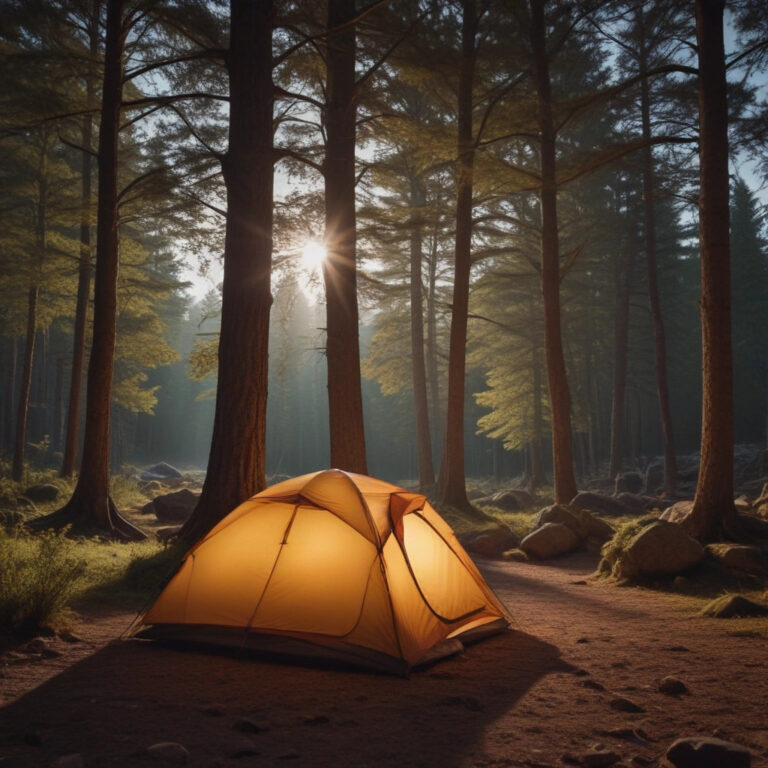
So you’re thinking about sleeping outside, away from the city noise, maybe with trees overhead or waves crashing nearby. A campsite is exactly that: a designated area where you pitch a tent, park a camper, or set up a shelter for the night. But not all campsites are the same, and what you do there depends a lot on where you go and what you bring. Let’s cut the fluff and get into the real stuff.
I’ve been digging into how campsites work in 2026, and the landscape has changed. Some are full-blown resorts with pools and Wi-Fi. Others are literally a clearing in a national park with a fire ring and a pit toilet. Knowing the difference before you book saves you a nasty surprise.
What Exactly Counts as a Campsite (and What Doesn’t)
A campsite is a managed or designated spot for temporary outdoor accommodation. That’s the core definition. It can be public (national parks, state forests, municipal land) or private (commercial campgrounds, farms, glamping resorts).
What it is not is just any random patch of dirt. Wild camping — pitching a tent on unmarked land — is illegal in many countries, including most of Western Europe and large parts of the US. In 2026, rangers and local authorities are stricter than ever about this. So if you’re dreaming of a truly off-grid night, check local rules first. Scotland, Sweden, and Norway still allow wild camping under right-to-roam laws, but even there, you can’t just set up in a farmer’s field.
The key distinction: a campsite has some level of infrastructure or permission. Wild camping has neither. Both can be amazing, but only one keeps you out of trouble with the law.
Types of Campsites You’ll Actually Find in 2026
Forget the old idea that camping means one thing. Here’s what’s out there right now:
- Standard campgrounds: Pitches for tents and RVs, shared bathrooms, sometimes electric hookups. The classic.
- Beach campsites: Right on the sand or dunes. Great for water sports, terrible for sand in your sleeping bag. Bring a towel, sunscreen, and a windbreak.
- Mountain campsites: Higher elevation, cooler nights, trail access. Perfect if you’re into hiking and want that crisp alpine air.
- Family campsites: Playgrounds, organized games, shallow pools. Designed so parents can actually relax while kids burn energy.
- Glamping and luxury campsites: Pre-pitched tents with real beds, linens, sometimes a private hot tub. Not roughing it, but still outdoors.
- Eco campsites: Composting toilets, solar power, leave-no-trace policies. For people who want nature without the guilt.
My honest take: if it’s your first time, pick a standard or family campsite. Glamping is fine, but you learn nothing about actual camping. And eco sites are great, but some are so strict you feel like you’re in a museum.
What to Do at a Campsite (Beyond Sitting Around)
This is where people get stuck. They arrive, set up the tent, and then… what? Plenty, actually.
Hiking and walking trails are the number one activity. Most campsites sit near marked paths, and a morning walk before breakfast beats any gym session. If you’re at a beach campsite, swap hiking for swimming, kayaking, or paddleboarding.
Campfires are the social heart of camping. Cooking over an open flame, roasting marshmallows, telling stories — it’s cliché for a reason. It works. Just check fire regulations. In dry summer months, many regions ban open fires entirely. A portable gas stove is your backup.
Stargazing is criminally underrated. Away from city light pollution, you’ll see satellites, meteor showers, and the Milky Way. Bring a red-light headlamp so you don’t wreck your night vision.
Outdoor cooking is its own hobby. You can do far more than hot dogs. One-pot pasta, foil-wrapped veggies, even fresh coffee with a pour-over setup. It tastes better outside. That’s not nostalgia talking — it’s science. Your senses are heightened.
Family activities at organized campsites include scavenger hunts, craft workshops, and guided nature walks. If you’ve got kids, these are gold. They meet other kids, you get a break.
What to Bring Camping: The No-Nonsense List
Packing wrong ruins trips. I’ve seen people show up with a tent and nothing else. Don’t be that person.
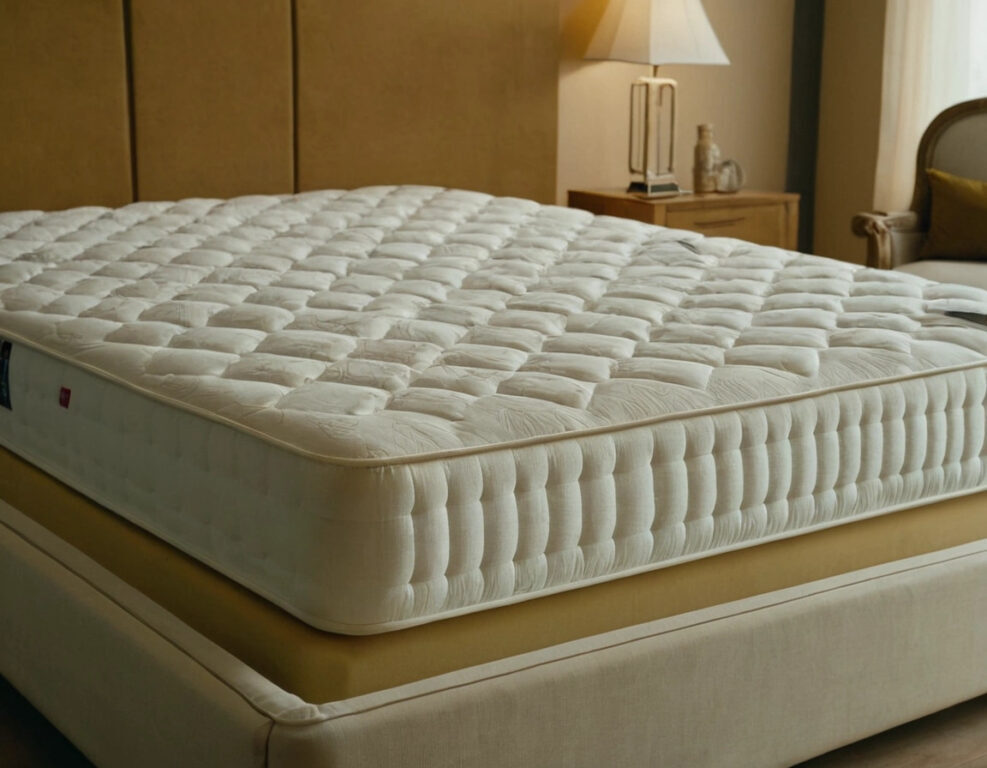
Shelter and sleep: Tent (with footprint), sleeping bag rated for the temperature, sleeping pad or air mattress, pillow. A sleeping pad matters more than people think. Cold ground sucks heat out of you fast.
Clothing: Layers. Always layers. Even in summer, nights get cold. Bring a fleece, a rain jacket, extra socks, and a hat. For winter camping, add thermal base layers, insulated boots, and gloves. Winter camping is magical — silent snow, no crowds — but only if you’re geared for it.
Gear: Headlamp, multitool, fire starters (lighter and waterproof matches), first-aid kit, rope or paracord, duct tape, power bank.
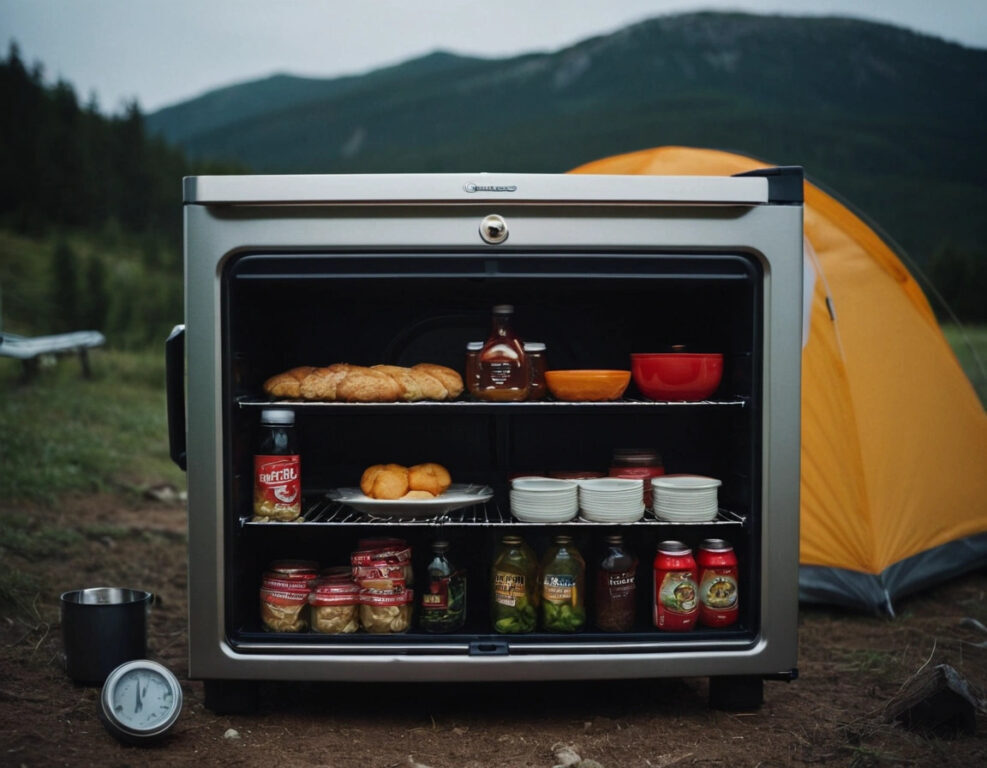
Kitchen: Camp stove, fuel, pot, utensils, plates, biodegradable soap, trash bags. Pack out everything you pack in. Every campsite in 2026 enforces this, and rightly so.
Extras: Bug spray, sunscreen, toilet paper (in a ziplock), hand sanitizer, a good book, and a deck of cards. Cards save rainy days.
If you only remember one rule: bring less than you think you need, but never skimp on sleep gear or rain protection.
How to Choose the Right Campsite for You
Ask yourself three questions: What experience do I want? Who’s coming with me? What season is it?
If you want relaxation, a beach or lakeside campsite wins. If you want adventure, go mountain. If you have kids, family campsites with organized activities. If you want solitude, look for primitive or dispersed camping areas — but confirm they’re legal.
Timing matters too. Spring near rivers means strong water flow and green landscapes. Autumn means fewer crowds and cooler hikes. Summer is peak season — book early or you’ll end up in a cramped, noisy lot. Winter camping is for the prepared, but it’s the quietest, most surreal experience you can have outdoors.
One thing I’ll defend hard: don’t overplan. The best camping trips have room for spontaneity. A detour to a swimming hole, an extra hour by the fire, a nap in the shade. That’s the point.
Final Word on Campsite Life
A campsite isn’t just a place to sleep. It’s a reset button. You unplug, you move your body, you eat simple food, and you remember that comfort and nature aren’t opposites. Whether you go luxury, family, beach, or wild, the formula is the same: right gear, right spot, right mindset. Now stop reading and go book something.