Post actualizado el día octubre 26, 2026 by DeiviSanzPlay
You know that itch: the city noise, the same four walls, the phone buzzing nonstop. A campsite is the antidote. But let’s cut the romantic fluff — a campsite is a designated area where you pitch a tent, park a camper, or set up a shelter, usually with some basic infrastructure like toilets, water taps, and marked pitches. That’s it. Everything else is what you make of it.
What exactly counts as a campsite (and what doesn’t)
Not every patch of grass is a campsite. Official campsites are regulated: they have an owner, a capacity, and often a star rating. In Spain alone there are over 1,100 registered campsites, according to the Spanish Camping Federation. That matters because «wild camping» — pitching your tent outside a designated area — is illegal in most of Europe, including Spain, France, and Italy, unless you have explicit permission.
So when someone asks what is a campsite, the honest answer is: a legal, managed space for temporary outdoor accommodation. It can be a field with a single tap, or a resort with pools and restaurants. The spectrum is huge.
Beach campsite, mountain campsite, or something in between
Location changes everything. A beach campsite gives you salt air, easy swimming, and usually more wind — bring decent pegs. A mountain campsite offers trails straight from your pitch, cooler nights, and the kind of silence you can’t buy in the city.
If you’re travelling with kids, family campsites are the smart move. They tend to have playgrounds, organised activities, and other children around, which buys you a quiet coffee. If you want comfort without giving up the outdoors, glamping or a luxury campsite covers that: pre-pitched tents, real beds, sometimes private bathrooms.
And then there’s eco-friendly camping — solar showers, composting toilets, leave-no-trace rules. It’s not just marketing; several campsites in natural parks now run entirely off-grid.
What to do at a campsite: real activities, not filler
People overthink this. You don’t need a packed schedule. But if you want ideas, here’s what actually works:
- Hiking and walking trails: Most campsites sit near marked routes. Ask at reception — they know the good ones.
- Campfire cooking: Learning how to cook at the campsite is half the fun. One-pot rice, grilled veggies, foil-wrapped fish. Keep it simple.
- Water sports: At beach campsites, kayaks, paddleboards, and snorkelling are standard. Rent on-site or bring your own.
- Stargazing: No light pollution, no excuses. Sleeping under the stars is still the best free activity out there.
- Organised games: Family campsites run treasure hunts, craft workshops, and mini-tournaments in summer.
What you shouldn’t do: treat the campsite like a hotel. Noise after 11 pm, leaving rubbish, or walking through other people’s pitches will get you a reputation fast.
What to bring camping: the no-nonsense list
Forget the 50-item Pinterest lists. Here’s what you actually need for a first trip:
- Tent and groundsheet. A 2-person tent for one person is not a luxury; it’s common sense. Practise setting it up at home once.
- Sleeping bag and mat. The mat matters more than the bag. Cold ground ruins sleep.
- Headlamp. Not a phone torch. You’ll need both hands.
- Layers. Even in July, nights get cold. A fleece and a light rain jacket are non-negotiable.
- Cooking kit. Small gas stove, lighter, basic pot, cutlery, and a drying cloth.
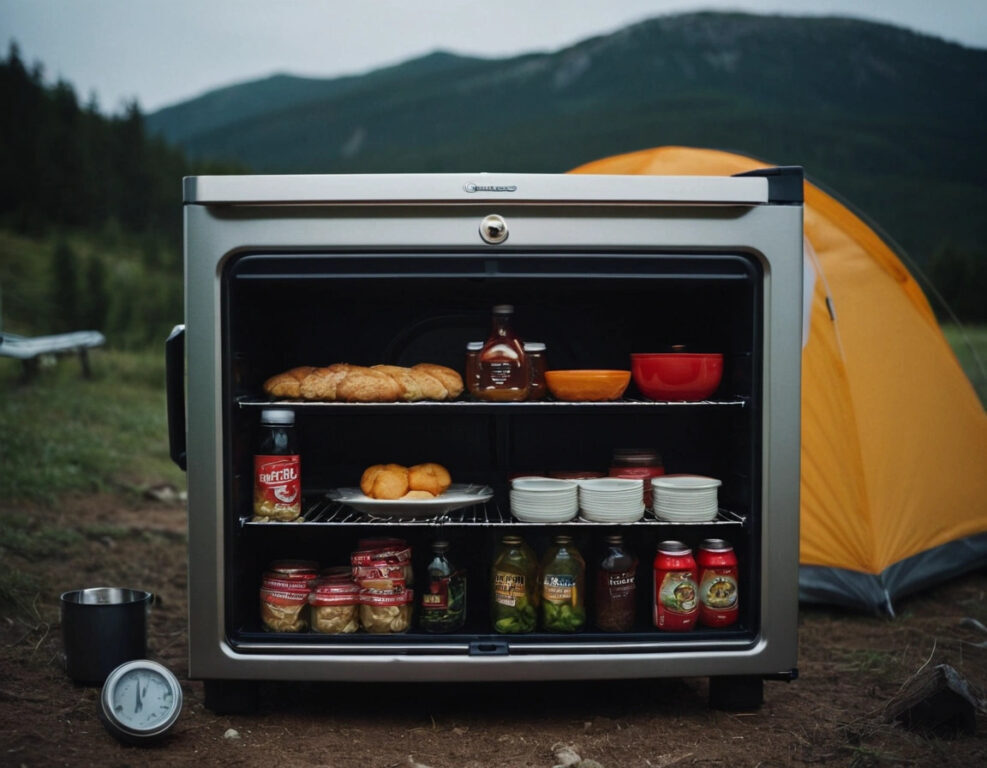
- Water and food. Bring more water than you think. Freeze a couple of bottles to keep the cooler cold.
- First-aid basics. Plasters, antiseptic, painkillers, and any personal medication.
- Power bank. Solar ones are handy if you’re staying several days.
If you’re heading to a beach campsite, add sunscreen, a towel, and a light jacket for the evening. For winter camping, swap the summer bag for a -10°C rated one and bring a proper insulated mat.
Wild camping vs. designated campsites
Wild camping sounds romantic until you realise you can’t legally do it in most of Spain, Portugal, or Italy. Some natural parks allow «bivouac» — one night, no fire, leave no trace — but you need to check local rules. Scotland and parts of Scandinavia are the exceptions, not the rule.
My take: if it’s your first time, use a proper campsite. You’ll learn how to set up a tent, how to manage a campfire safely, and how to deal with rain at 3 am. Wild camping later, when you know what you’re doing.
How to choose the right campsite
Ask yourself three questions before booking:
- What experience do I want? Party, family, solitude, or adventure?
- When am I going? Spring near rivers means stronger water and greener landscapes. Autumn means fewer crowds. Summer means book weeks ahead.
- What facilities do I actually need? A shower and a plug point are not the same as a pool and a restaurant. Be honest.
Read recent reviews, not just the star rating. A 3-star campsite with clean bathrooms beats a 5-star one with rude staff every time.
Common mistakes first-timers make
Arriving after dark. Not checking the pitch size before booking. Leaving food out overnight. Forgetting that campsites have quiet hours. And the big one: overpacking. You don’t need three pans. You need one.
Also, don’t assume campsites accept card. Many small ones are cash-only, especially in rural areas. Carry some euros.
The bottom line
A campsite is whatever you need it to be: a cheap base for hiking, a family holiday, or a full-on glamping escape. What it isn’t is complicated. Pick a spot, pack smart, respect the rules, and you’ll get why millions of people in Europe alone camp every year.
If you’re still unsure about how to build a campfire or what to bring to the campsite, make a list, check it twice, and go. The first trip is always the one you learn the most from.