Post actualizado el día octubre 26, 2026 by DeiviSanzPlay
If you’re buying a mattress, a sofa cushion, or acoustic panels, you’ve probably stumbled across the same confusing question: foam rubber vs bonded foam, which one actually wins? Short answer: it depends on what you want the foam to do. Long answer: keep reading, because most articles out there just repeat marketing fluff without telling you what’s really inside each block.
I’ve dug into how both materials are actually made, how they behave after years of use, and where each one is a total waste of money. No vague «it depends on the context» nonsense here. You’ll get a clear verdict by the end.
What Is Foam Rubber (Polyurethane Foam)?
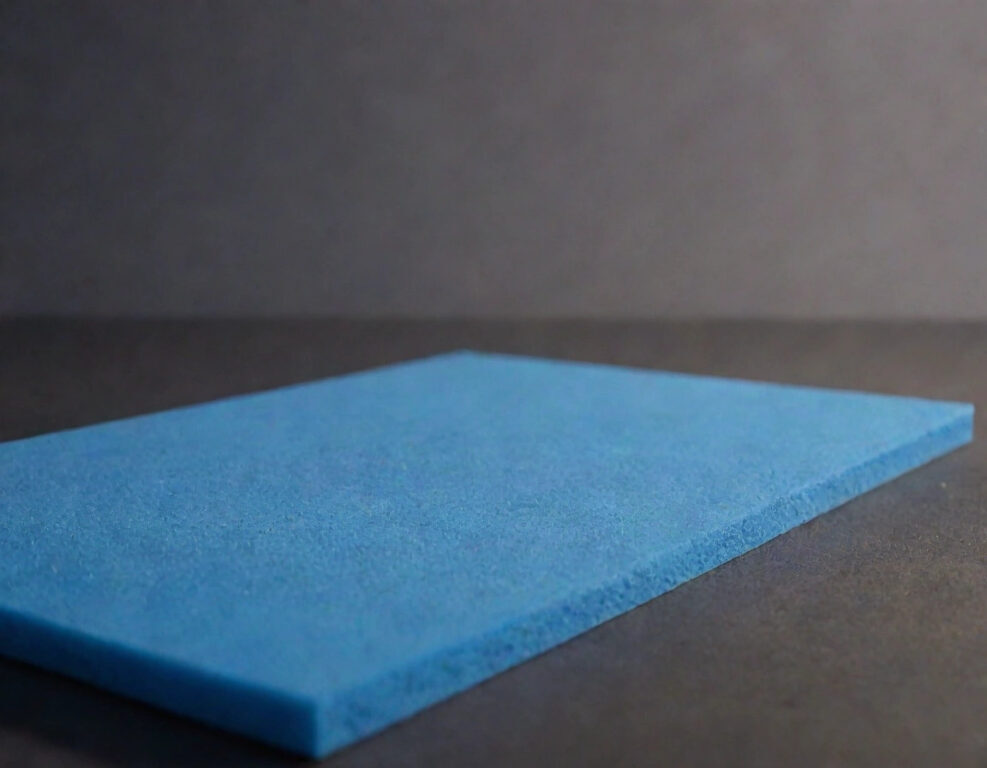
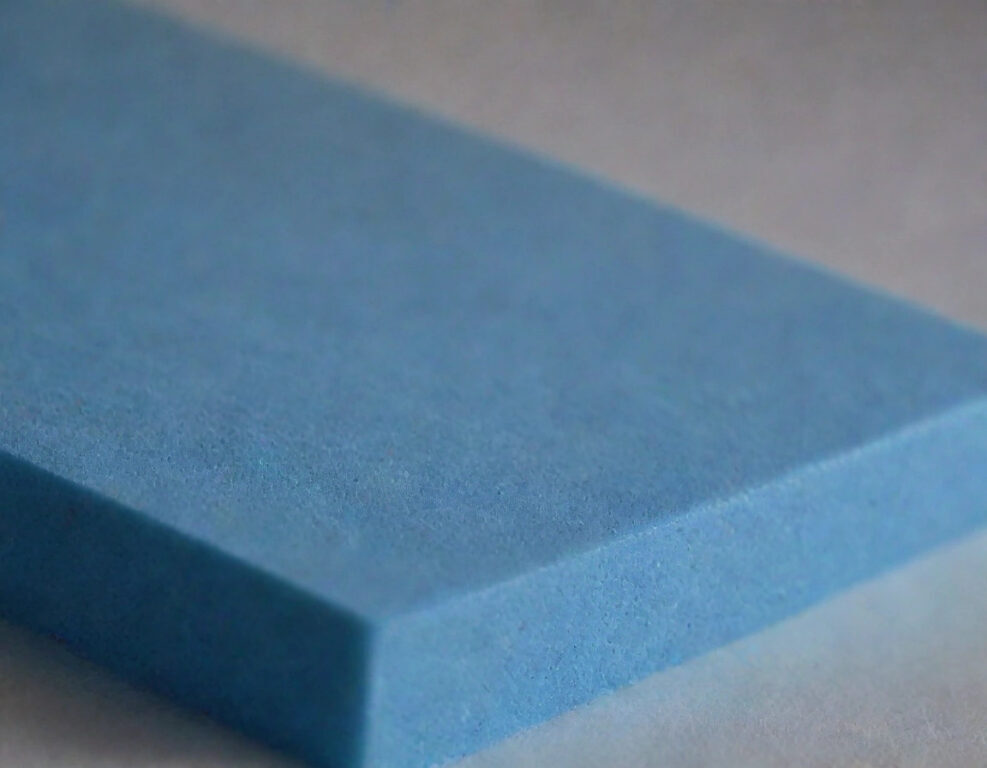
Foam rubber, often called polyurethane foam or just PU foam, is the classic squishy material inside most mid-range mattresses and pillows. It’s made by mixing polyols and isocyanates with a blowing agent that creates millions of tiny open cells. That open-cell structure is why it feels breathable and adapts to your body shape.
Density for standard foam rubber usually sits between 20 and 40 kg/m³. Anything below 20 is garbage that’ll collapse within a year. Anything above 35 starts feeling premium and actually holds up.
Its big selling points: lightweight, flexible, cheap to produce, and easy to cut into any shape. That’s why you see it in everything from car seats to packaging inserts.
What Is Bonded Foam and Why Is It So Dense?
Bonded foam (also called rebond foam) is made from scraps. Literally. Manufacturers take leftover PU foam pieces, shred them, mix them with a binder, and press them into blocks under heat and pressure. The result is a dense, heavy, firm slab with a characteristic mottled look.
Typical density ranges from 60 to 120 kg/m³. That’s two to four times heavier than standard foam rubber. The high density is the whole point: bonded foam doesn’t sag easily and it carries weight without bottoming out.
You’ll find it in carpet underlay, gym mats, heavy-duty seating, and the base layers of some hybrid mattresses.
Foam Rubber vs Bonded Foam: Head-to-Head Comparison
Let’s cut the marketing and compare what actually matters.
- Comfort: Foam rubber wins. It contours to your body, relieves pressure points, and feels soft without being mushy.
- Durability: Bonded foam wins, no contest. Its density means it resists compression far longer.
- Breathability: Foam rubber wins thanks to open cells. Bonded foam traps heat because the binder seals many of the air channels.
- Weight and handling: Foam rubber is far easier to move, cut, and ship. Bonded foam is heavy and awkward.
- Price: Foam rubber is cheaper per cubic meter. Bonded foam costs more upfront but lasts longer, so the cost-per-year can flip.
If you’re sleeping on it, foam rubber is usually the better pick. If you’re standing on it, dropping weights on it, or walking on it under carpet, bonded foam is the one that survives.
Which One Is More Durable Over 5+ Years?
This is where the foam rubber vs bonded foam debate gets interesting. A cheap 20 kg/m³ foam rubber mattress topper will flatten noticeably in 12–18 months. A decent 30–35 kg/m³ foam rubber layer can hold its shape for 5–7 years if you rotate it.
Bonded foam at 80 kg/m³, by contrast, can last a decade or more in the same application. The trade-off is that it never really softens up. It stays firm from day one to year ten.
So «which lasts longer» isn’t the right question. The right question is: do you want it to stay soft, or do you want it to stay firm? Bonded foam wins the second one, and only the second one.
When Foam Rubber Is the Wrong Choice
Don’t buy foam rubber for anything that takes heavy repeated impact. Gym flooring, weight benches, industrial mats, and high-traffic carpet underlay will eat through standard PU foam in months. You’ll see it crumble at the edges first, then flatten in the center.
Also avoid foam rubber in humid environments unless it’s been treated with an anti-mildew agent. Open-cell foam soaks up moisture like a sponge and can develop mold fast. Bonded foam handles humidity better because the binder closes off more of the surface.
When Bonded Foam Is the Wrong Choice
Don’t put bonded foam in a mattress where you want pressure relief. It’s too firm. Side sleepers will wake up with numb shoulders. Back sleepers might tolerate a thin bonded foam base layer under a softer foam rubber top, but a full bonded foam mattress is basically a brick.
Also skip bonded foam if weight matters. A queen-size bonded foam slab can weigh 40–60 kg. Moving it is a two-person job, and shipping costs jump.
The Smart Move: Combine Both
Here’s the take most articles won’t give you. The best mattresses and cushions don’t choose one or the other — they layer them. A bonded foam base for support and durability, topped with 5–8 cm of high-density foam rubber for comfort and breathability.
That combo gives you the structural integrity of bonded foam and the pressure relief of foam rubber. It’s why quality hybrid mattresses cost more: you’re paying for two materials, not one.
Quick Verdict on Foam Rubber vs Bonded Foam
If you want comfort, breathability, and a soft feel — go foam rubber. Aim for at least 30 kg/m³ density.
If you want durability, firmness, and something that survives years of abuse — go bonded foam. Aim for 80 kg/m³ or higher.
If you want the best of both, stop treating it as a binary choice and layer them. That’s what the pros do, and it’s what your back will thank you for.
Bottom line: bonded foam is not «better» than foam rubber. It’s a different tool for a different job. Buy the one that matches your actual use case, not the one a salesperson pushes.