

Post actualizado el día octubre 17, 2026 by DeiviSanzPlay
Marseille soap, or Savon de Marseille, isn’t just another bar of soap. It’s a 17th-century formula that somehow refuses to die, and honestly, in 2026 that stubbornness is exactly what makes it worth talking about. While the cosmetic industry churns out new buzzwords every season, this stuff has been made the same way for roughly 400 years: plant oils, caustic soda, water, and a copper cauldron.
That’s it. No fillers, no synthetic fragrance, no weird preservatives. If you’re searching for authentic Marseille soap, you’re basically looking for proof that simplicity still beats marketing.
Where Marseille Soap Actually Comes From
Marseille became the historic epicenter of French soap manufacturing because it had two things: olive oil from nearby Provence and a port to move it. Artisanal factories like La Savonnerie Marseillaise and Savonnerie de la Licorne still cook soap in open copper cauldrons using the Marseillais process, also called hot saponification.
Here’s the part most people skip: hot saponification forces a complete chemical reaction between vegetable oils and sodium hydroxide (caustic soda). That means no leftover free oil floating around, no half-finished compounds. The result is a bar that’s hypoallergenic, biodegradable, and genuinely gentle on skin — not because a label says so, but because the chemistry leaves nothing nasty behind.
Traditional recipes use olive oil, coconut oil, or palm kernel oil. The best producers avoid palm oil entirely, and that’s not a marketing gimmick — palm oil production has a documented environmental cost that clashes with everything Marseille soap stands for.
What’s Really Inside a Bar of Savon de Marseille
The composition is almost boringly short, and that’s the point:
- 100% vegetable oils, caustic soda, and purified water — nothing synthetic.
- Neutral to moderately alkaline pH, which cleans effectively without wrecking your skin barrier.
- High natural glycerin content, a byproduct of saponification that acts as a humectant and keeps skin from drying out.
- Zero synthetic surfactants, making it suitable for sensitive, atopic, or allergy-prone skin.
- Solid and liquid varieties — the liquid version works on body, hair, and household surfaces with a lower environmental footprint.
That glycerin detail matters more than people realize. Most industrial soaps strip glycerin out and sell it separately to the cosmetics industry. Marseille soap keeps it in. That’s why your hands don’t feel like sandpaper after washing.
How to Spot the Real Thing vs. a Fake
This is where most buyers get burned. Any bar can slap «Marseille» on the packaging, but original bars carry authenticity stamps and precise quality indications. Check for three things:
- Density and hardness — structural quality indicators you can feel.
- Oxidative stability — relates to freshness and absence of rancidity.
- Traceability of raw materials — essential to confirm sustainable origin and rule out palm oil.
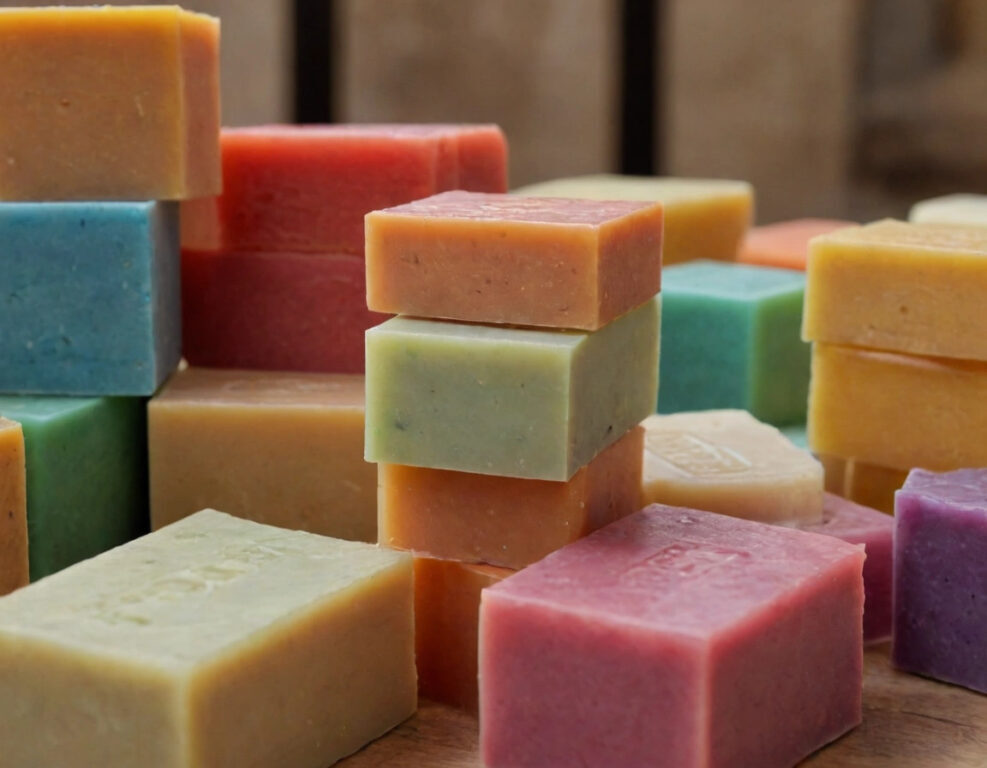
If a bar is soft, smells like perfume, or comes in neon colors, it’s not Marseille soap. Real Savon de Marseille is stamped, often beige or green-grey, and smells faintly of clean oil. The green version traditionally contains a higher percentage of olive oil; the white one leans on other plant oils.
Beyond the Shower: Multi-Sector Uses
Calling Marseille soap just a cosmetic product undersells it. It’s a multi-purpose detergent that eco-conscious households rely on for far more than bathing:
- Delicate textiles — wool, silk, and baby clothes survive its gentle detergent action.
- Kitchen utensils and surfaces — non-toxic and fully biodegradable, so runoff doesn’t poison waterways.
- Replacing conventional cleaners packed with harsh chemical compounds.
People grate it into hot water to make a DIY all-purpose cleaner, or use the liquid version directly. It’s one of the few products that genuinely earns the «eco-friendly» label instead of borrowing it.
Buying Marseille Soap Online in 2026
The digitalization of the market changed everything. You no longer need to visit a Marseille cooperative to get certified original soap — platforms like Amazon now connect buyers directly with local manufacturers and cooperatives, cutting out intermediaries.
What that means in practice:
- Fast delivery that preserves freshness.
- Eco-responsible options, including plastic-free packaging.
- Enriched formulations with essential oils like lavender or eucalyptus for aromatherapy benefits.
My honest take: buy the plain, unscented, stamped bars for cleaning and skin, and the essential-oil versions only if you actually want the scent. A lot of «lavender Marseille soap» on the market is a conventional soap base with fragrance dumped in — check the ingredient list before you trust the label.
Why It Still Matters in 2026
Marseille soap is more than a hygiene product. It’s cultural heritage backed by solid saponification chemistry and sustainable artisanal production. Its natural formulation, authenticity certifications, and functional versatility keep it relevant in both the cosmetic and ecological sectors.
For professionals and conscious consumers alike, choosing this soap means opting for quality, authenticity, and environmental respect — all backed by centuries of tradition and real technological evolution. The industry keeps trying to reinvent soap. Marseille already solved it.


