

Post actualizado el día octubre 17, 2026 by DeiviSanzPlay
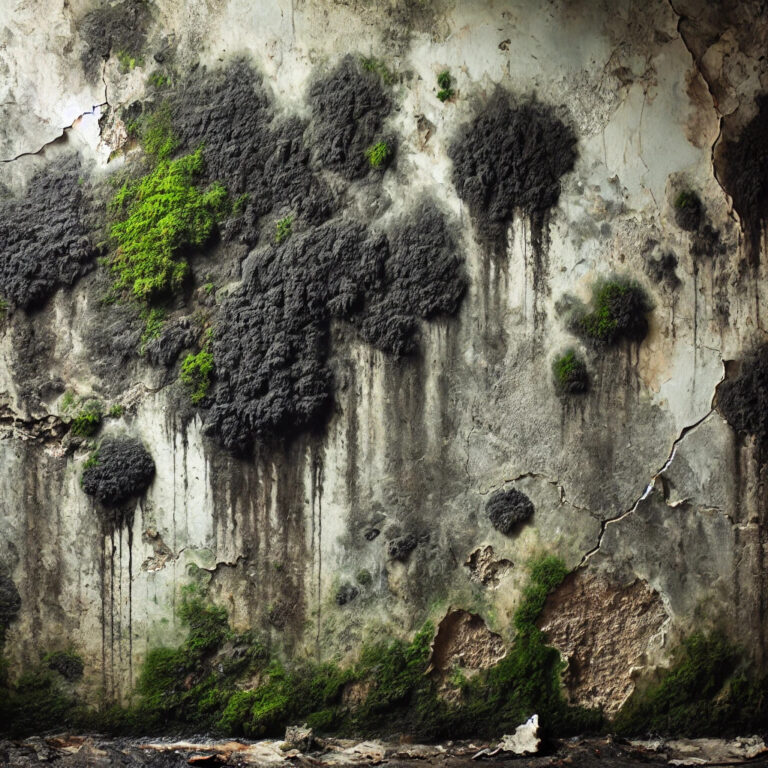
You walk into a room, that musty smell hits you, and then you spot them: dark, fuzzy patches creeping up the corner of the wall. Mold on walls isn’t bad luck, and it’s not the building’s fault either. It’s a physics problem, and once you understand it, you can actually fix it instead of just painting over it every spring.
The short version: mold on walls appears when three things line up at the same time — moisture, organic material to feed on, and temperatures between roughly 5°C and 35°C. Take one of those out of the equation and mold can’t colonize. Most people try to fight the mold itself instead of the moisture feeding it, which is why it keeps coming back.
Condensation: The Number One Cause of Mold on Walls
If you see water droplets on your windows in winter, or the wall behind your wardrobe feels cold and slightly damp, you have condensation indoors. Warm air holds more water vapor than cold air. When that warm, humid air touches a cold surface — an exterior wall, a window frame, a mirror — it releases liquid water right there. That’s the exact spot where mold on walls starts to grow.
This is why the problem shows up in the coldest corners of the house: north-facing walls, behind furniture pushed tight against the wall, inside built-in wardrobes, and along the baseboards near the floor. The air can’t circulate there, the surface stays cold, and the mold gets a permanent wet patch to live on.
Here’s the part most guides skip: relative humidity indoors should sit between 40% and 60%. Anything sustained above 60% and you’re basically running a mold incubator. A cheap hygrometer costs less than a takeaway meal and tells you more about your home’s health than any inspection.
Poor Ventilation Makes Mold on Walls Worse
Sealing your house up to save on heating is the fastest way to grow mold on walls. Modern homes are built almost airtight, which is great for energy bills but terrible for moisture. Every shower, every pot of pasta, every load of drying laundry dumps water vapor into the air. If it can’t escape, it condenses on the coldest surface it finds.
Bathrooms and kitchens are the usual suspects. If you don’t run an extractor fan for at least 15 minutes after a shower, or you never crack a window while cooking, you’re adding liters of water to your indoor air every week. Trickle vents on windows exist for a reason — use them.
Air that doesn’t move is air that grows things. A house needs to breathe, even in January.
Water Seepage and Leaks: The Hidden Root Cause
Not every mold problem comes from condensation. Water seepage from a leaking pipe, a cracked roof tile, a blocked gutter, or a failing damp-proof course will soak a wall from the inside out. This kind of dampness on walls is often invisible at first — you just notice a faint tide mark, paint that bubbles, or plaster that feels soft and cool.
Rising damp is a different beast. It climbs up from the ground when the damp-proof membrane fails, usually leaving a telltale stain up to about a meter high. If your mold problem is concentrated near the floor and gets worse after rain, it’s almost certainly a water infiltration issue, not condensation. Painting over it with anti-dampness paint is pointless — you need a plumber or a builder, not a decorator.
Cold Walls and Bad Insulation
Poor insulation is the silent accomplice. If exterior walls aren’t insulated, they stay cold all winter, and cold surfaces pull moisture out of the air like a magnet. This is why older properties and single-glazed flats suffer so badly from mold on walls, while well-insulated new builds with mechanical ventilation barely see a spot.
The fix isn’t cheap, but it’s the real one: internal or external wall insulation, double or triple glazing, and a properly sized ventilation system. Turning the heating up without improving insulation just makes the air hold more moisture — and the cold wall still condenses it.
How to Get Rid of Mold on Walls — and Stop It Coming Back
First, kill what’s there. Vinegar and baking soda is a solid, low-toxicity option for light surface mold: mix white vinegar with a little baking soda into a paste, apply it to the affected patch, leave it for 10–15 minutes, then scrub and wipe. For deeper or recurring mold, a purpose-made fungicidal wash is more reliable than bleach, because bleach kills the surface but doesn’t penetrate porous plaster.
Then fix the cause. That means:
- Ventilate daily — open windows wide for 5–10 minutes, two or three times a day. Short bursts beat leaving them cracked all day.
- Use extractor fans in bathrooms and kitchens, and clean the filters.
- Repair water seepage and leaks before doing anything cosmetic.
- Run a dehumidifier in problem rooms, especially in winter.
- Pull furniture away from walls so air can circulate behind it.
- Dry laundry outside or in a vented dryer — indoor drying is a moisture bomb.
Anti-Dampness Paint: Useful, But Not a Cure
Anti-dampness paint and thermal paints can help, but understand what they actually do. They slow down moisture transfer and can hide stains, but they don’t remove the water source. If you use them without fixing ventilation or leaks, the mold will find another crack to come through — usually within a season. Think of them as a finishing touch, not a solution.
Why This Actually Matters for Your Health
Mold on walls isn’t just ugly. Prolonged exposure to mold spores is linked to respiratory problems, worsening asthma, allergies, and chronic coughing. The musty smell you notice is microbial volatile organic compounds — the mold’s waste products floating in your air. Kids, elderly people, and anyone with a lung condition are hit hardest.
So no, don’t ignore the dark patch in the corner. Find the moisture, fix it, ventilate properly, and keep indoor humidity under 60%. Do that and you’ll stop treating the symptom and actually solve the problem — which is the only way mold on walls ever really goes away.


