Post actualizado el día octubre 25, 2026 by DeiviSanzPlay
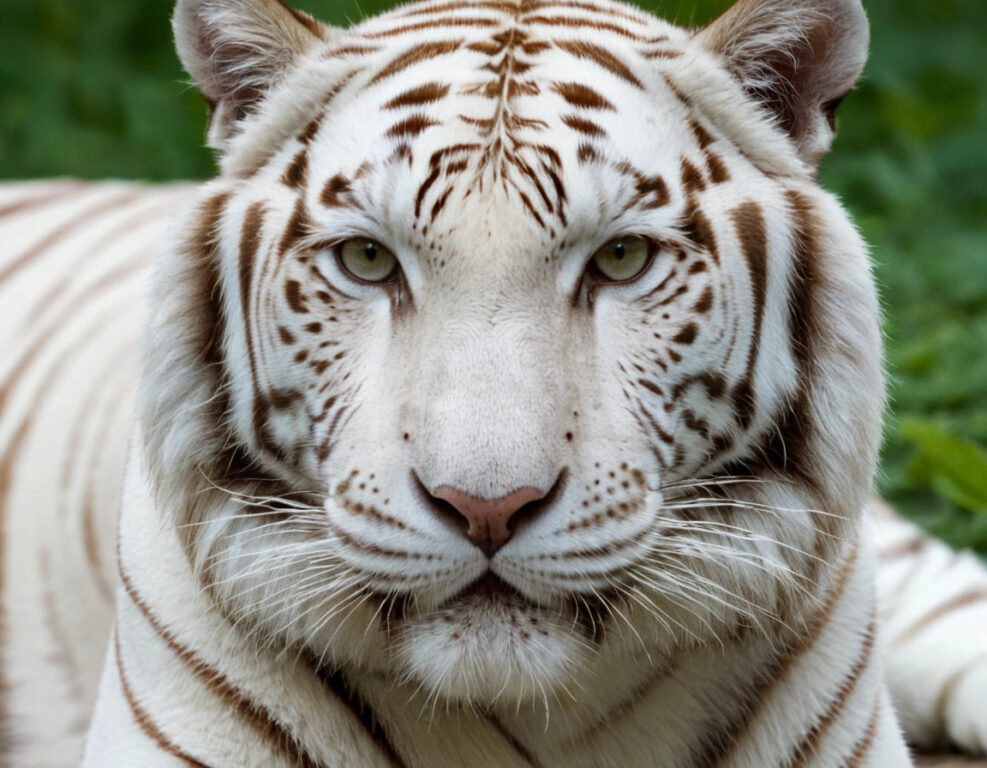
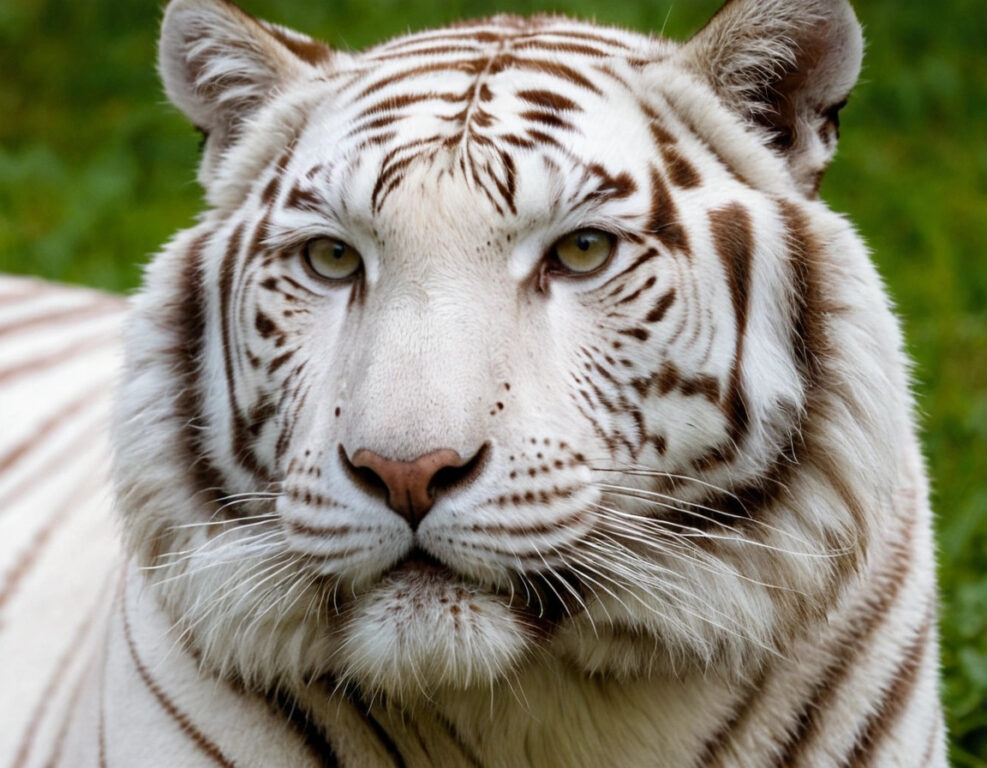
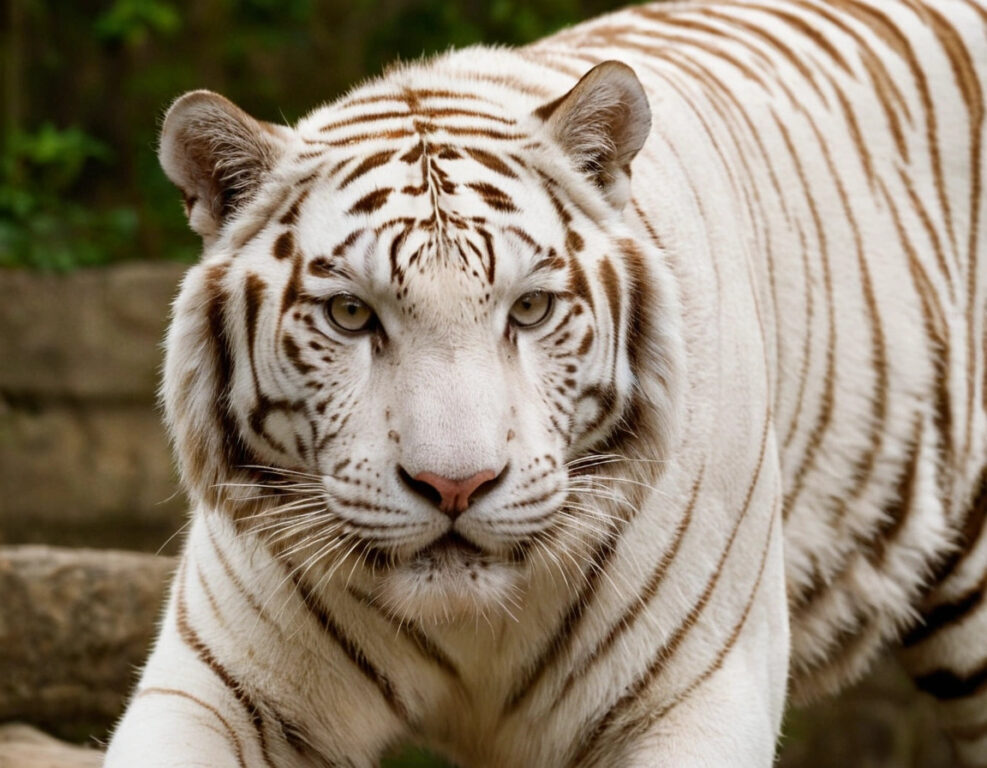
The baby white tiger is not a separate species, but rather a Bengal tiger cub (or in some cases an Amur tiger) born with a recessive genetic mutation called leucism. This mutation blocks the production of pheomelanin, which gives the orange color, but not eumelanin, which is why they keep their black stripes. They are not albinos: albinos have no pigment at all and usually have pinkish or reddish eyes. White tigers have blue eyes. That detail confuses many people, but it makes all the difference.
In the wild, a baby white tiger has it rough. Its light coat gives it away to prey and to hunters. That is why there are no stable wild populations of white tigers: all the ones we see today descend from a handful of specimens bred in captivity, especially the famous Mohan, captured in India in 1951. Every time you see a baby white tiger in a zoo or in a video, you are seeing a descendant of that lineage.
Why is the baby white tiger so rare?
The probability of two tigers carrying the recessive gene mating and producing white cubs is low. And if we also add that inbreeding to achieve that color has caused serious health problems, the picture becomes even more complicated. Many baby white tigers are born with strabismus, scoliosis, kidney problems or immunodeficiencies. It is not magic, it is poorly managed genetics.
That is why, when we talk about the baby white tiger, we must separate myth from reality. They are not a breed, they are not a subspecies, and they are not destined to save tigers. In fact, some conservationists argue that breeding them solely for their color is a form of animal cruelty disguised as conservation.
Birth and the first months: size and development
A baby white tiger is born weighing between 1 and 1.5 kilos, almost blind and completely dependent on its mother. During the first weeks it only drinks mother’s milk. At 6-8 weeks it begins to try meat, and by 3 months it already eats small prey that its mother brings it. That is when its black stripes become more strongly marked against the white background.
Growth is extremely fast. At 6 months it weighs around 50 kilos, and by one year it can exceed 100. An adult white tiger can weigh between 200 and 300 kilos, with a length of up to 3 meters including the tail. They are killing machines, but as cubs they are clumsy, playful and very dependent.
Cub behavior: instinct and learning
From a very young age, baby white tigers show a brutal hunting instinct. They play at chasing each other, biting, ambushing. That is their school. The mother teaches them to camouflage themselves, to stalk and to kill. Without her, a cub does not survive more than a few days in the wild.
In captivity, that learning is replaced by games with caretakers and environmental enrichment. But beware: a baby white tiger bottle-fed and accustomed to humans can become dangerous by adolescence. They are not pets. Never.
Feeding: from milk to meat
The diet of a baby white tiger is strictly carnivorous. During the first two months, mother’s milk. After that, minced meat, chicken, rabbit, and gradually whole prey with bones to provide calcium. In zoos the amount of fat is controlled and supplemented with vitamins to prevent bone problems.
A common mistake is giving them pork or processed meats. No. Tigers need lean animal protein and soft bones. Anything else sits terribly with them.
Conservation: the dark side of the white tiger
Here I’ll take a stance: the baby white tiger is not a conservation priority. Serious programs focus on the Bengal tiger, the Sumatran, the Amur, the Indochinese… subspecies in critical danger. Breeding white tigers just because they are beautiful diverts resources and perpetuates genetic defects.
That said, the zoos that house them fulfill an educational function. Seeing a baby white tiger live makes an impact, and that impact can turn a visitor into a donor or volunteer. The problem is when the spectacle overshadows the science.
Where to see a baby white tiger in 2026?
If you want to see one, look for zoos accredited by associations such as AZA or EAZA. Avoid pseudo-sanctuaries that charge for photos with cubs: that is usually exploitation. In Spain, for example, some parks have them, but always with strict protocols. Inform yourself before going and do not feed the irresponsible breeding business.
Remember: the baby white tiger is a wild animal, not a stuffed toy. Its charm does not justify forgetting that it belongs to a species threatened by habitat loss and poaching. Protecting the forests of India, Nepal, Bhutan or Russia is what truly saves tigers, white or orange.