Post actualizado el día octubre 26, 2026 by DeiviSanzPlay
World War II wasn’t some unavoidable storm that just happened to roll in. It was a chain of bad decisions, wounded pride, and leaders who gambled everything on expansion. If you want to understand why the world burned between 1939 and 1945, you have to look at what the causes of World War II really were — and trust me, it goes way deeper than just «Hitler invaded Poland.»
What Actually Caused World War II? It Started With a Harsh Peace
The Treaty of Versailles of 1919 is the starting point nobody can ignore. Germany got slapped with the full blame for World War I, forced to pay crushing reparations, lose territory, and gut its military. The Weimar Republic limped along while hyperinflation wiped out savings and the Great Depression hit in 1929.
People were desperate. That’s the fuel that powered the rise of dictators like Hitler. He didn’t appear out of thin air — he promised jobs, revenge, and national pride to a country that had been humiliated. By 1933, he was Chancellor. By 1934, he was Führer. The rest is history, but the causes of World War II were already set in motion long before the first shots.
Fascism, Expansionism, and the Failed Policy of Appeasement
Italy under Mussolini, Japan under its militarist government, and Germany under the Nazis all shared one thing: a hunger for territory and resources. Japan invaded Manchuria in 1931. Italy invaded Ethiopia in 1935. Germany remilitarized the Rhineland in 1936, annexed Austria in 1938, and grabbed the Sudetenland after the Munich Agreement.
Britain and France chose appeasement. Big mistake. Every time they let Hitler take something without consequences, he just wanted more. The causes of World War II include this diplomatic cowardice as much as German aggression. When Germany and the USSR signed the Molotov-Ribbentrop Pact in August 1939, everyone knew a line had been crossed.
Appeasement didn’t prevent war. It scheduled it for a more convenient date — for Hitler.
The Invasion of Poland and the Outbreak of Global Conflict
On September 1, 1939, German troops stormed into Poland. Two days later, Britain and France declared war on Germany. That’s the official start of World War II. But the conflict had been brewing for years through alliances, pacts, and an arms race that was already in full swing.
The Axis powers — Germany, Italy, and Japan — squared off against the Allies, initially Britain and France, later joined by the Soviet Union and the United States. This wasn’t just a European war. It became a truly global conflict that touched every continent.
Key Battles That Turned the Tide of World War II
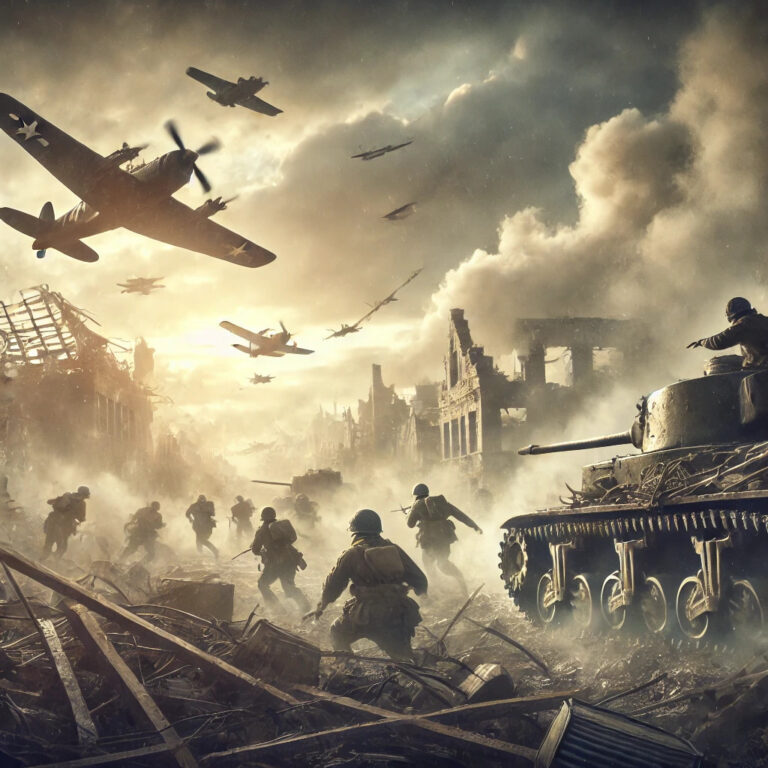
If you want to understand the development of World War II, you need to know the moments that flipped the script. The Battle of Stalingrad (1942-1943) was the brutal turning point on the Eastern Front. The Soviets lost over a million soldiers, but they broke the back of the German army.
The attack on Pearl Harbor on December 7, 1941, dragged the United States into the war. That single strike by Japan changed everything — America’s industrial power became the Allies’ secret weapon. D-Day, June 6, 1944, opened the Western Front and sealed Germany’s fate.
- Blitzkrieg: Germany’s lightning-fast tactic combining tanks, infantry, and air support.
- Battle of Britain: The RAF held off the Luftwaffe in 1940, preventing a German invasion.
- Midway: A 1942 naval battle that crippled Japan’s fleet in the Pacific.
- El Alamein: The North African campaign that pushed Axis forces back.
Technology, Propaganda, and Total War
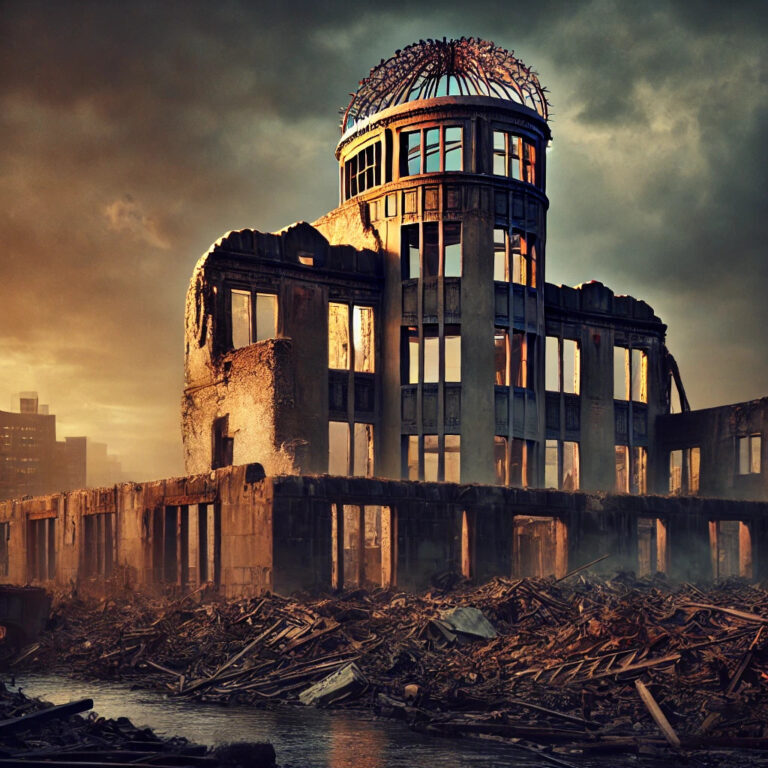
The main events of World War II can’t be explained without mentioning how technology changed warfare. Radar, jet aircraft, ballistic missiles, and of course the atomic bomb. The Manhattan Project culminated in Hiroshima and Nagasaki in August 1945 — the only time nuclear weapons have been used in combat.
Propaganda was weaponized on an industrial scale. Both sides used radio, film, and posters to dehumanize the enemy and keep civilians motivated. Espionage networks like the British MI6 and the Soviet NKVD played roles that only became public decades later.
The Consequences of World War II: A New World Order
Germany surrendered on May 8, 1945. Japan followed on September 2, 1945. The consequences of World War II were staggering: between 70 and 85 million dead, including six million Jews murdered in the Holocaust. Cities across Europe and Asia lay in ruins.
The United Nations was founded in 1945 to prevent another global catastrophe. The Nuremberg and Tokyo Trials established the concept of crimes against humanity. But the war also birthed the Cold War — a decades-long standoff between the capitalist West led by the U.S. and the communist East led by the USSR.
Europe was divided. Germany split into East and West. The Marshall Plan rebuilt Western Europe while the Soviet Union tightened its grip on the East. The world economy was reshaped, with the U.S. dollar becoming the global reserve currency and institutions like the IMF and World Bank taking shape.
Why World War II Still Matters in 2026
The legacy of World War II isn’t just in history books. It’s in the borders of Europe, the structure of the UN, the nuclear deterrence doctrine, and the way we talk about human rights. The psychological scars on survivors and their families are still being studied.
Understanding the causes, development, and consequences of World War II is not about memorizing dates. It’s about recognizing the patterns — nationalism, economic despair, failed diplomacy — that can still repeat if we stop paying attention. That’s the real lesson, and it’s not a comfortable one.