Post actualizado el día octubre 26, 2026 by DeiviSanzPlay
Yoga on cushions isn’t some soft, watered-down version of the real thing. It’s a legit adjustment that fixes the two things that wreck most home practices: bad alignment and unnecessary pain. If you’ve ever bailed halfway through a hip opener because your knees were screaming, a cushion is the tool you were missing.
I’m not talking about grabbing a random throw pillow off your couch and calling it a day. I mean using proper yoga on cushions with intention, placing support exactly where your body needs it so poses stop fighting you and start working for you.
Why Yoga on Cushions Changes Everything
The core benefit of yoga on cushions comes down to one thing: elevation. When you raise your hips, knees, or spine a few inches, your joints stop bearing weight they weren’t designed to handle in that position.
Think about seated forward folds. Most people can’t hinge from the hips without rounding their lower back. Slide a firm cushion under your sit bones and suddenly the pelvis tilts forward, the spine lengthens, and the stretch moves to your hamstrings where it belongs.
Same story with backbends. A cushion under your sacrum during a supported bridge takes the compression off your lumbar vertebrae and lets you hold the pose for minutes instead of seconds.
This isn’t a beginner crutch. Long-time practitioners use supportive yoga cushions in restorative and yin sessions all the time because holding a pose for five minutes requires a level of support that muscles alone can’t give you.
How to Actually Use Cushions in Your Practice
Placement matters more than the cushion itself. Here’s where it works best:
- Under the knees in supine twists and reclined hip openers to stop the lower back from lifting off the mat.
- Under the sit bones in meditation and seated poses to tilt the pelvis forward and decompress the spine.
- Under the sacrum for supported bridge and gentle backbends that don’t crank your lower back.
- Under the forehead in Child’s Pose to release neck tension and let the whole upper body go heavy.
- Between the thighs in Savasana to keep the lower back neutral when lying flat feels uncomfortable.
One rule I stand by: the cushion goes where your body is collapsing, not where you want it to look good. If your hip hikes up in pigeon pose, prop it. If your knee floats in a seated twist, prop it. Aesthetics don’t matter here.
Best Cushions for Yoga at Home (And What to Avoid)
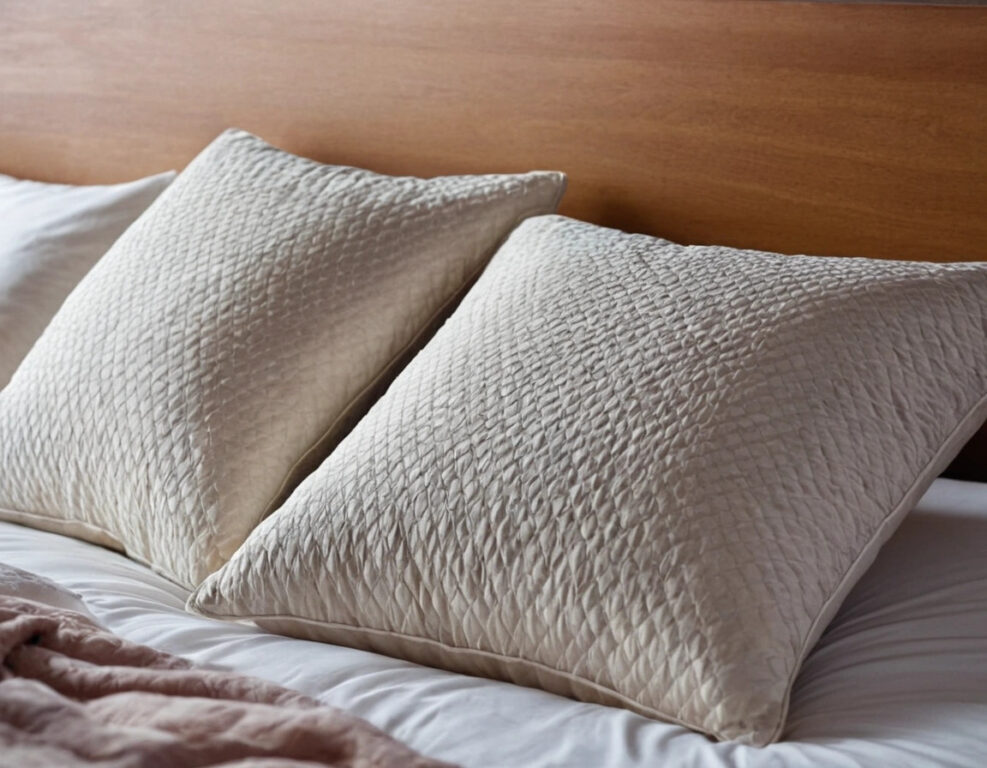
The best cushions for yoga at home are firm. Not rock-hard, but firm enough that they don’t flatten the second you sit on them. A squishy bed pillow defeats the purpose because it compresses to nothing under body weight.
Here’s my honest breakdown:
- Zafu (round meditation cushion): Best for seated meditation and pranayama. Buckwheat filling holds its shape and molds to your sit bones.
- Bolster (rectangular): The workhorse. Use it for restorative backbends, under the knees, or as a chest opener in supported fish pose.
- Wedge cushion: Ideal if you have tight hips or lower back issues. The incline tilts your pelvis forward naturally.
- Flat pad: Versatile but less supportive. Fine for knee padding, not great for raising your hips.
Skip the decorative pillows. Skip memory foam that sinks. If you can fold it in half with one hand, it’s too soft.
Yoga for Beginners With Cushions: Where to Start
If you’re new to yoga, cushions are not cheating. They’re how you build the muscle memory for proper alignment before you attempt the full expression of a pose.
Start with these three poses using support:
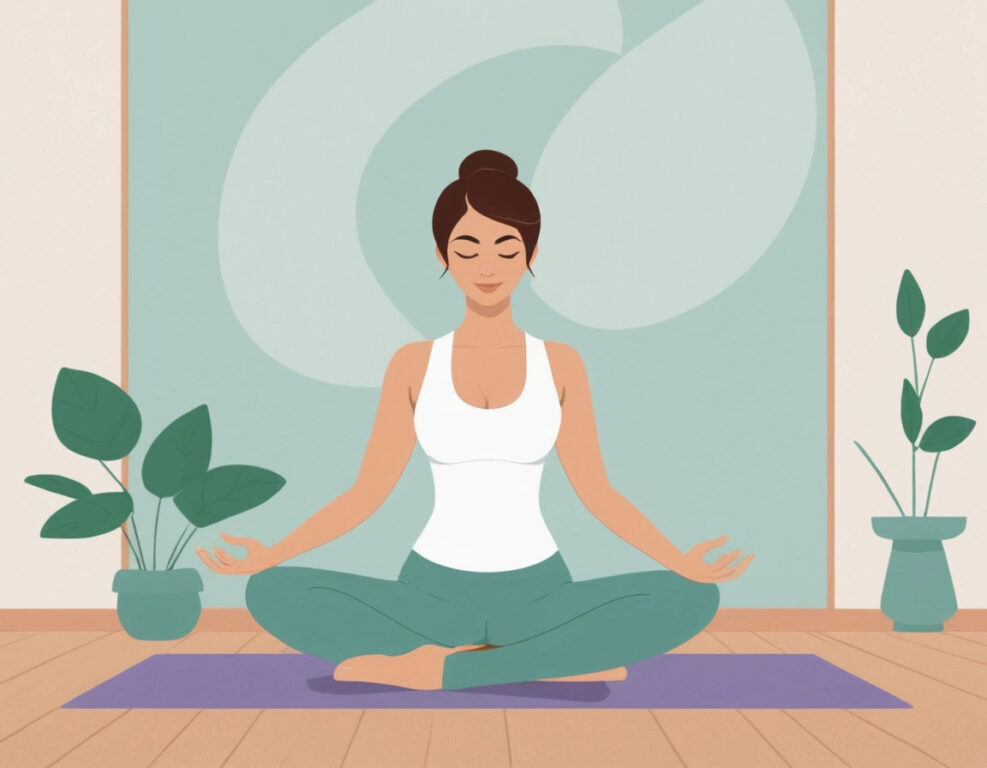
Seated meditation. Sit on the front edge of a zafu or folded blanket so your hips are higher than your knees. Cross your legs. Notice how much easier it is to sit tall without straining your lower back.
Child’s Pose (Balasana). Knees wide, cushion under your forehead. Let your chest melt toward the floor. This is where a cushion turns a mildly uncomfortable pose into a genuine rest stop.
Supported bridge. Lie on your back, knees bent, feet hip-width apart. Lift your hips and slide a bolster or firm cushion under your sacrum. Hold for one to three minutes. Your lower back will thank you.
Common Mistakes People Make With Yoga Cushions
I’ve seen people stack four cushions under their hips and wonder why they feel unstable. Too much height is as bad as too little.
The sweet spot is usually one to two inches of lift for seated poses and two to four inches for supine support. If you feel like you’re perched on top of something instead of supported by it, remove a layer.
Another mistake: using cushions only for relaxation and never for active poses. Yoga positions with cushions work in standing poses too. A block or firm cushion under your hand in Triangle Pose or Half Moon keeps your spine long instead of dumping into your lower back.
The cushion isn’t there to make yoga easier. It’s there to make it correct. Once your alignment is right, the pose does its job, and you stop dreading the parts that used to hurt.
Do You Actually Need Special Cushions?
No. You need support that doesn’t collapse. A firm couch cushion, a folded yoga blanket, or even a stack of towels can work in a pinch. But if you’re practicing three or more times a week, buying a proper bolster and zafu is worth the money.
They hold their shape, they’re designed for body weight, and they won’t slide around under you mid-pose. That last part matters more than most people realize. A shifting cushion throws off your balance and can tweak your back.
The bottom line: yoga on cushions is not a compromise. It’s a smart adjustment that lets you practice longer, safer, and with less pain. Try one pose with a cushion tonight and see if you ever go back.