Post actualizado el día octubre 25, 2026 by DeiviSanzPlay
Cleaning air conditioner filters is the cheapest and most overlooked maintenance task. And the worst part isn’t that the unit cools less: it’s that your electricity bill goes up, the air you breathe fills with grime and, over time, you end up paying for a repair you could have avoided with 15 minutes of work.
I’ll tell you straight, as if you were standing in front of the unit with the cover open. Because cleaning air conditioner filters doesn’t require a technician, a miracle product or any knowledge of refrigeration. Just common sense and knowing where things are.
Before touching anything: turn it off and cut the power
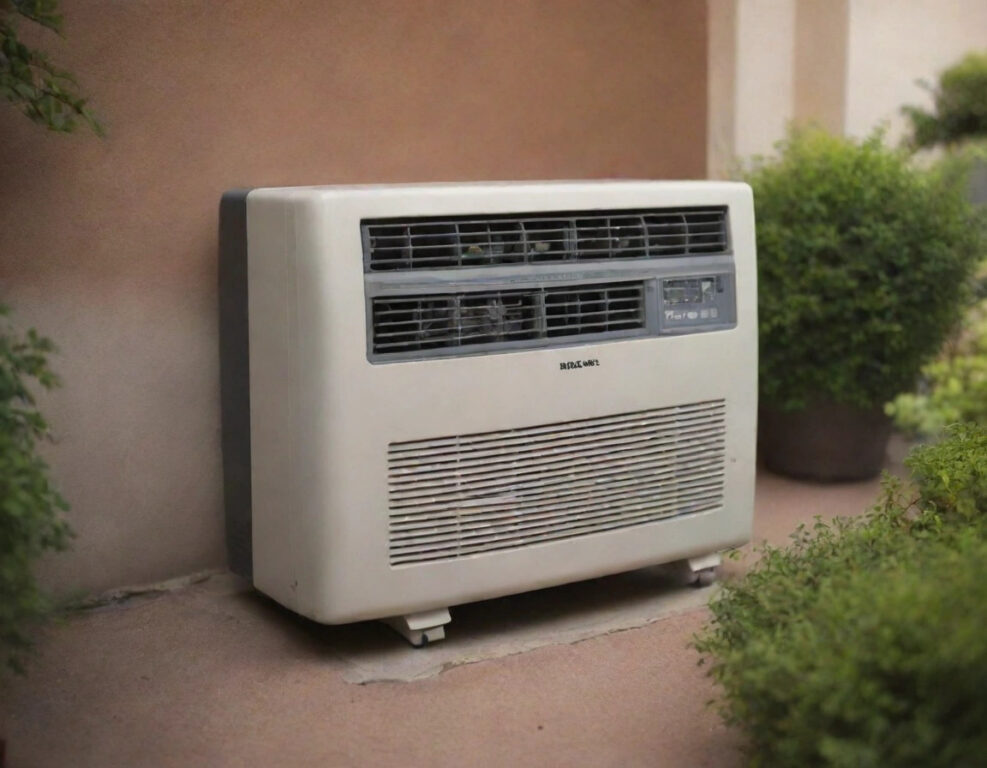
This isn’t advice from the manual. It’s the first thing you do or you risk a nasty shock from the electricity. Turn off the air conditioner with the remote and, if you can, flip the breaker on the electrical panel that feeds the unit. On wall-mounted splits, with the unit off there’s no risk anymore, but on window or cassette units, cutting the power is the sensible option.
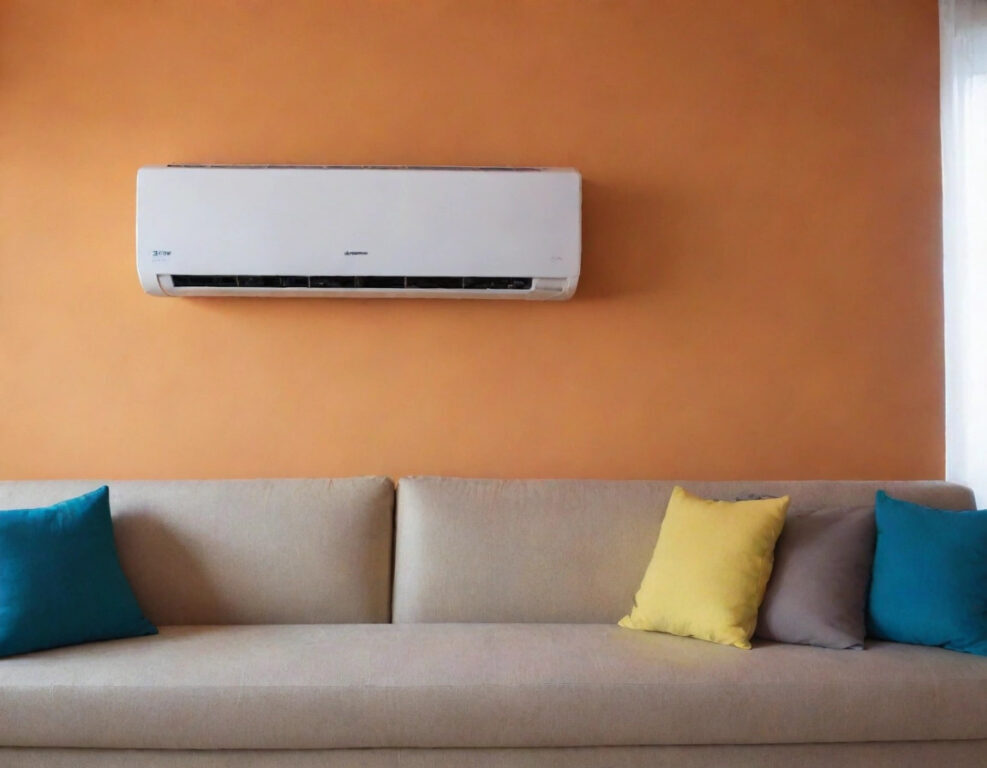
With the unit de-energized, open the front cover. On most splits it comes off by gently pulling upward from the sides. Some models have two small hidden screws; if it won’t budge, don’t force it, check the manual. Inside are the filters, usually two plastic mesh grilles held in place by some tabs.
Watch out for a detail almost nobody mentions: if the air conditioner hasn’t been cleaned in months, removing the filter will release a cloud of dust. Do it with an open trash bag underneath or out on the terrace, not over the bed.
How to clean air conditioner filters step by step
Once it’s out, hold the filter up to the light. If you can see the light passing through clearly, vacuuming it is enough. If it’s opaque, with a gray layer of lint and dust, it needs washing. The rule is simple: surface dirt, vacuum; stuck-on dirt, water.
To wash air conditioner filters, use warm water, never hot, and a mild soap such as dish soap or neutral soap. No bleach, alcohol or solvents: the filter’s plastic degrades and you end up buying new grilles. Scrub with an old toothbrush or by hand, without scrubbing hard, because the mesh deforms easily.
Rinse from the opposite side to the airflow, that is, from the clean face toward the dirty one, to drag the grime outward and not push it further in. And here comes the most repeated mistake: people dry the filter with a cloth and put it back. Wrong.
A damp filter inside the split is a breeding ground for mold and bacteria. Let it dry in the shade, in a vertical or tilted position, for 1 to 2 hours. If you’re in a hurry, run a microfiber cloth over it and wait anyway. Never dry it with a hairdryer or in direct sunlight, because the heat deforms the mesh.
How often should you clean air conditioner filters?
The general recommendation is every two or three months under normal use. But that’s an average that misleads. If you live in a dusty area, there’s construction nearby, you have pets or the unit runs 8 hours a day in summer, clean them every 3 or 4 weeks. On the other hand, if you only turn on the air conditioner on weekends, one cleaning every month and a half is more than enough.
There’s one sign that never fails: if you notice a damp or musty smell when you turn it on, the filters have been dirty for too long. That smell is microorganisms growing in the mesh and in the condensate tray.
And no, not all filters are the same. Modern splits with a HEPA filter or activated carbon filter are not washed with water: they’re vacuumed or replaced according to the manufacturer. Washing them ruins them. If your unit has a plasma filter or ion generator, check before putting it under the tap.
What happens if you don’t clean the filters: the real damage
A clogged filter reduces airflow. The evaporator stays cold, ice forms on the coils and the unit goes into protection mode. Result: it stops cooling, water drips inside the house and the compressor suffers. That’s what ends up in a repair costing 150 to 400 euros depending on the case.
The second blow is the bill. An air conditioner with dirty filters can consume between 5 and 15% more energy to reach the same temperature. Over a summer of heavy use, that’s dozens of euros down the drain.
And the third problem, the one you can’t see: the dust and allergens the filter should trap circulate back through your living room. If someone in the house has asthma, rhinitis or allergies, this isn’t a minor annoyance.
Cleaning air conditioner filters every month during peak season is the difference between a unit that lasts 12 years and one that starts failing at year five.
The filter’s real job (and why it’s not just a grille)
The filter does three things at once. First, it traps dust, pollen, pet hair and spores. Second, it protects the inside of the unit: without it, all that dirt sticks to the evaporator and the fan. Third, it maintains airflow, which is what sustains energy efficiency.
When the filter is clean, air passes freely and the unit cools quickly. When it’s clogged, the fan works twice as hard, the motor heats up and consumption skyrockets. No mystery: it’s basic physics.
Some filters incorporate layers of activated carbon or photocatalytic filters that reduce odors. Those are not washed. They’re gently vacuumed or replaced each season, as the manufacturer indicates. Mistaking a carbon filter for a mesh one and putting it in water is throwing your money away.
When to replace the filter instead of cleaning it
If, when you take it out, you see the mesh torn, frayed or with deformed areas, don’t waste your time. A damaged filter lets air through unfiltered and dirties the evaporator. Replacement filters are cheap, between 10 and 30 euros depending on the model, and are found by the unit’s reference number.
They’re also replaced if they’re so stiff or yellowed that they no longer fit properly. A filter that doesn’t seal lets air escape around the edges and loses effectiveness. In that case, cleaning air conditioner filters is pointless: they need to be replaced.
Mistakes I see over and over again
- Reinstalling the filter damp. It’s the most common one and the one that generates the most mold.
- Using harsh products. Bleach or ammonia degrade the plastic and leave residues you then breathe in.
- Cleaning only one of the two filters. Splits have two grilles; if you clean one, the airflow imbalance is worse than doing nothing.
- Forgetting the condensate tray. The water pooled there smells too. If you can access it, clean it with a cloth and water.
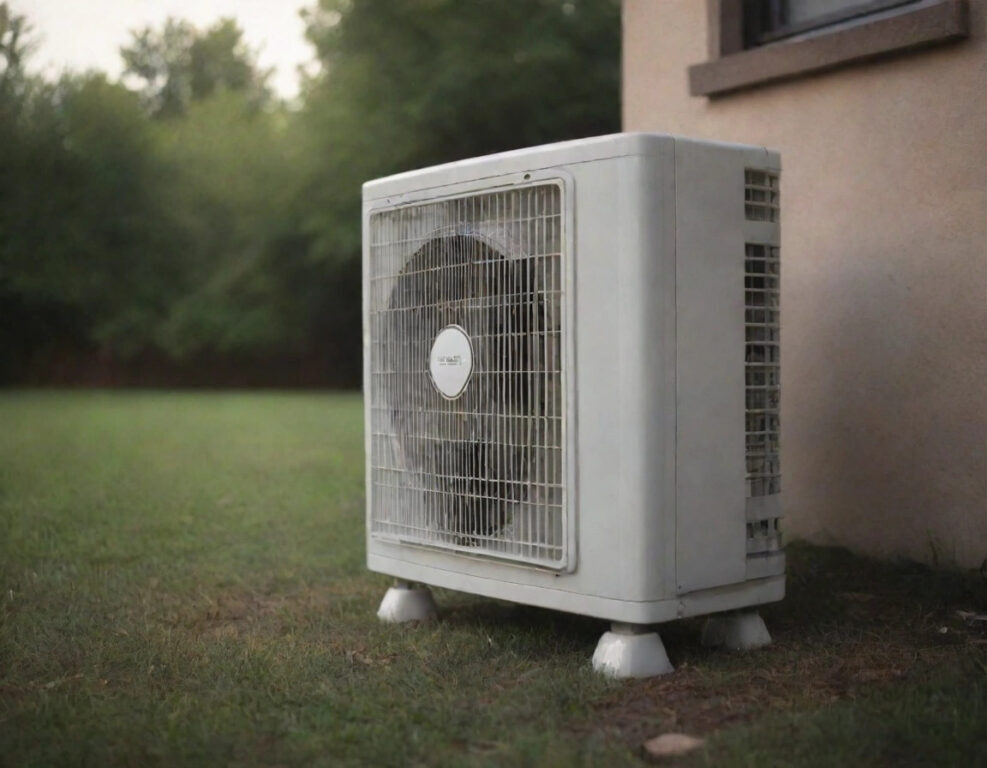
- Not checking the outside. The outdoor unit also accumulates dust on the fins. A gentle brushing once a year helps.
What really makes the difference
Cleaning air conditioner filters isn’t a spring task you do and forget. It’s a habit. Set an alarm on your phone every month during the hot months and you’ll have the job done before the filter gets saturated.
If you notice the unit cools poorly even though the filters are clean, the problem is no longer the filter: it could be low refrigerant, a faulty sensor or a dirty condenser. That’s when you call a technician, not keep at it with the hose.
And if you rent and the air conditioner hasn’t been maintained in years, check the contract. In many cases basic maintenance is the tenant’s responsibility, but repairs due to lack of prior maintenance can end up in an argument. Better to keep it clean and documented with a photo of the date.
In the end, cleaning air conditioner filters costs you 15 minutes and saves you money, health and headaches. There’s no technical excuse not to do it. Your unit thanks you, your bill does too, and your lungs, don’t even get me started.