Post actualizado el día octubre 25, 2026 by DeiviSanzPlay
Setting up a freshwater aquarium isn’t just about pouring tap water in and adding fish. If you do that, in two weeks you’ll have an ammonia soup with fish floating in it. I know because I’ve seen it a thousand times. The key is choosing the right species, setting up the correct filter, and not overfeeding.
How to choose freshwater aquarium fish without dying in the attempt
The first thing you need to be clear about is the size of your tank. A 20-liter nano aquarium is not the same as a 120-liter one. In a small one you can’t put an angelfish in, not even close. I’ll tell you straight: if you start with 20 liters, forget about large fish.
Another factor people ignore is water pH. Not all freshwater aquarium fish tolerate the same conditions. Guppies do well with a pH of 7 to 8, but neons prefer softer, more acidic water, between 6 and 7. If you mix this up badly, your neons will die within days.
And watch out for temperature. Most tropical freshwater fish need between 22 and 28 degrees. If your house gets cold in winter, you’re going to need a heater, no question. No excuses.
Freshwater fish for beginners that tolerate almost anything
If this is your first aquarium, don’t overcomplicate things. There are hardy freshwater fish that forgive mistakes. The guppy is king. It adapts to almost any water, eats everything, and on top of that it breeds on its own. That said, be prepared because your tank will fill up with fry.
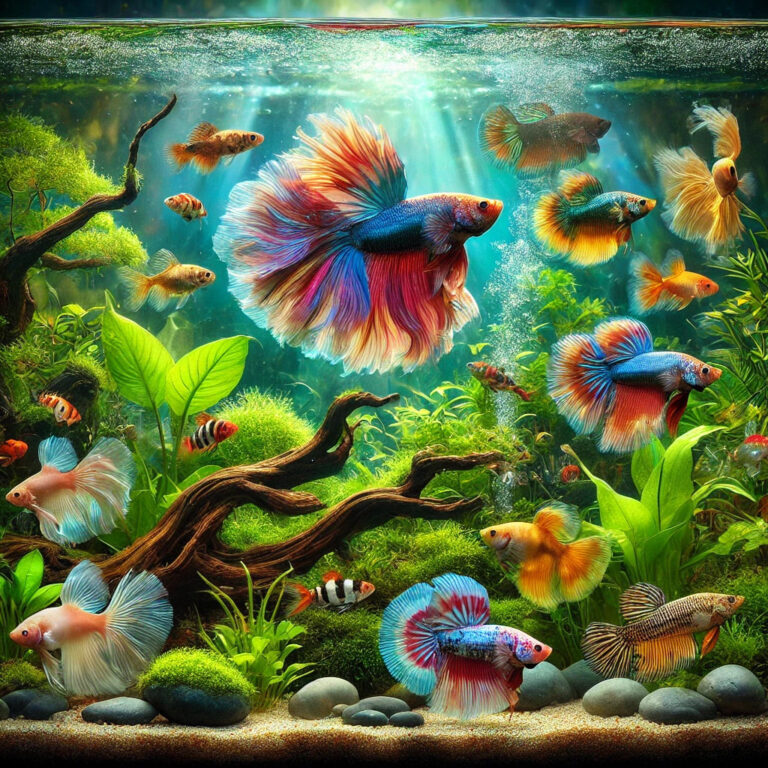
The betta fish is another solid option, but with caveats. Don’t put it with other males because they’ll kill each other. And with females, better to have a group of three or more so they don’t get stressed. A betta in a calm community aquarium can work, but not with fish that nip its fins.
Zebra danios are another gem for beginners. They’re easy-to-keep freshwater fish, they swim fast, and they tolerate cooler temperatures, even 18 degrees. Ideal if you don’t want a heater.
Community aquarium: combinations that really work
For a freshwater community aquarium, forget about mixing aggressive species with peaceful ones. Neon tetras, corydoras, and mollies are a classic combination that works. Neons school in the middle zone, corydoras clean the bottom, and mollies add color.
But there are exceptions. Gouramis can be territorial if the aquarium is small. And male bettas don’t get along with other brightly colored fish because they confuse them with rivals.
If you want a vibrant aquarium, add a group of 6 to 8 neons, 4 corydoras, and a couple of mollies. With that you’ll have movement at every level of the tank.
Freshwater fish care guide that nobody tells you about
The filter is the heart of the aquarium. Without a good filter, your freshwater fish will die from ammonia and nitrite buildup. Don’t skimp here. A hang-on-back filter or an external filter rated for twice the liters of your tank is the minimum.
Water changes are sacred. Change 20-30% every week or every two weeks. Don’t change all the water at once because you’ll kill the beneficial bacteria and stress the fish.
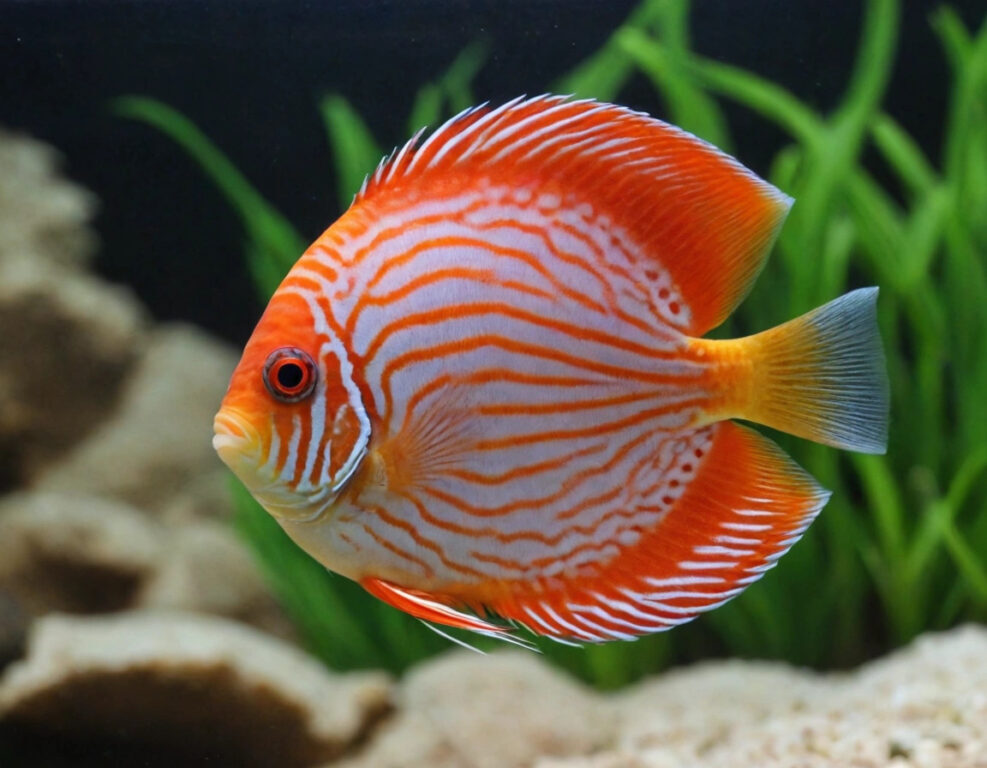
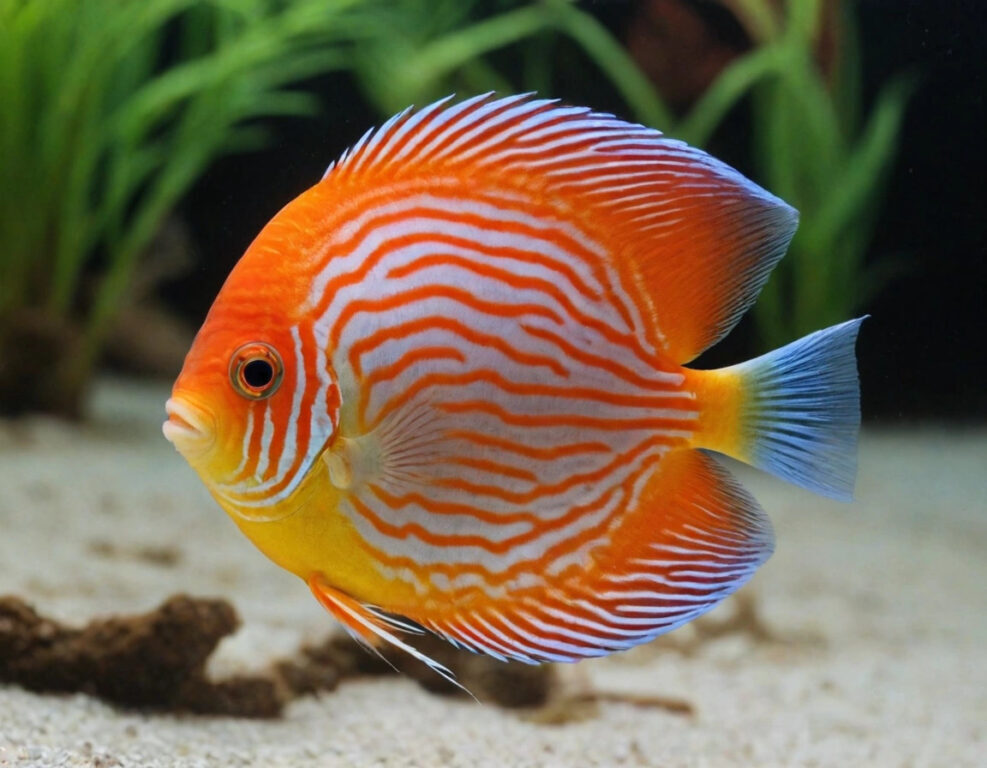
pH and water hardness need to be monitored. You don’t need to obsess over it, but if you have sensitive fish like discus or ramirezi, better to measure pH with a drop test, not with strips that fail more often than a carnival shotgun.
Feeding freshwater aquarium fish: don’t starve them or stuff them
Most people overfeed. It’s the number one mistake. Leftover food decomposes and generates ammonia. Feed them twice a day, only what they’ll eat in two minutes. If food is left over, remove it.
Vary the diet. Quality flakes, pellets, frozen food like brine shrimp or daphnia, and occasionally some live food. Freshwater fish need variety to stay healthy and show good colors.
Don’t give them human food. No bread or crackers. It sounds obvious, but some people do it.
Easy-to-keep freshwater fish for small aquariums
If you have an aquarium under 40 liters, your options are reduced. Guppies, platys, and neons are the most suitable. You can also keep a single betta, which is happy in a well-planted 10 liters.
Platys are livebearers, just like guppies, so they breed on their own. If you don’t want fry, choose only males or only females. With guppies it’s harder to tell, but you can see it by the anal fin and size.
Pygmy corydoras are an excellent option for small aquariums. They’re peaceful bottom-dwelling freshwater fish, and they don’t grow more than 3 cm. That said, they need to be in a group of at least 6.
Mistakes that will cost you dearly with freshwater fish
Adding fish before cycling the aquarium. Cycling is the process of creating beneficial bacteria in the filter. It takes 4 to 6 weeks. If you add fish before that, they’ll die from toxicity. There’s no shortcut.
Buying fish without researching. Not all freshwater fish are compatible. A fish that looks pretty in the store can be a killer in your aquarium. Do your research before buying.
Not quarantining new fish. Put new fish in a separate aquarium for two weeks. That way you avoid introducing diseases to the main aquarium. It’s a pain, but it saves you from disasters.
Straight-talking conclusion about the best freshwater aquarium fish
If you’re starting out, go for guppies, neons, corydoras, and mollies. They’re hardy, cheap, and colorful freshwater fish. With a decent filter, weekly water changes, and varied food, you’ll have an aquarium for years.
If you already have experience, try ramirezi, discus, or angelfish. But be prepared to measure pH, hardness, and do more frequent water changes. They’re not fish for novices.
And remember: the aquarium isn’t an ornament, it’s an ecosystem. The more you respect it, the better it’ll go for you.