Post actualizado el día octubre 26, 2026 by DeiviSanzPlay
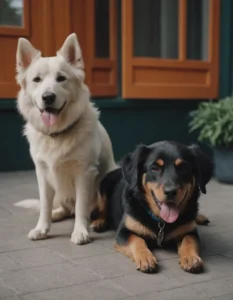
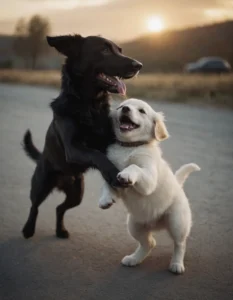
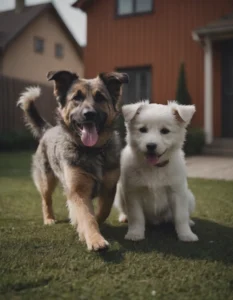
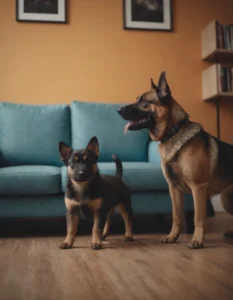
Let’s cut the crap: calling a dog a «pet» feels almost insulting once you’ve lived with one for years. I’ve read the studies, watched the behavioral research, and honestly, the science backs what most of us already feel at home. Dogs aren’t accessories. They’re family. And in 2026, with more people adopting than ever, that idea isn’t sentimental fluff — it’s a practical reality that changes how you feed them, train them, and even how you plan your holidays.
Why Dogs Are Loyal: It’s Not Blind Obedience, It’s Bonding
The main reason dogs are so loyal comes down to their ability to form deep emotional bonds with humans. From the moment you adopt one — puppy or adult — a unique link gets built and reinforced with every walk, every meal, every lazy Sunday on the couch. That emotional bond with your dog is so strong that research from institutions like Johns Hopkins and the University of York has shown that simply petting a dog can lower cortisol and boost oxytocin in both species. Not magic. Hormones.
Some people think loyalty means the dog obeys every command. Wrong. Loyalty is a dog choosing to stay close when it could wander off. That’s the part that gets me. A well-adjusted dog stays because it wants to, not because it’s forced to. If you rely only on obedience, you get a robot. If you build trust, you get a companion for life.
Dogs as Life Companions: They’re Woven Into Your Daily Routine
Have you ever stopped to notice how your dog becomes part of your daily life? From the morning alarm (usually a wet nose) to the evening wind-down, dogs as life companions are there for every step. They drag you out of bed when you’d rather rot under the covers. They sit next to you when you’re sad and don’t say a stupid word. They celebrate the good moments by losing their minds over a tennis ball.
That’s not just cute. That’s functional. A 2023 study in Scientific Reports found that dog owners walk significantly more and report better mental health scores than non-owners. But here’s the nuance: that only holds if the dog is actually integrated into the family, not left in a backyard all day. A lonely dog doesn’t improve your well-being; it just adds guilt.
The Importance of Dogs in the Home: Lessons You Didn’t Ask For
The importance of dogs in the home can’t be underestimated, and I’ll defend that with teeth. They teach patience when they chew your favorite sneakers. They teach empathy when they hide under the bed during a thunderstorm. And they teach unconditional love every single day, without expecting a paycheck or a thank-you.
A dog, despite its independent streak, knows when you need company. It shows up. That quality is what makes the human-dog relationship so unique. The unconditional love of dogs is what moves us most — and honestly, it’s also what makes losing them so brutal. Anyone who’s been through it knows: grieving a dog can hurt as much as losing a relative. Because that’s exactly what they are.
Can Dogs Really Read Your Emotions? Yes, and Here’s the Evidence
When we talk about reasons why dogs are part of the family, it’s not just about loyalty or furry hugs. Their ability to adapt to human emotions is genuinely impressive. A dog knows when you’re happy, sad, or anxious. In many families, the dog is the kids’ playmate and the adults’ confidant.
Science backs this up. Dogs can distinguish human facial expressions and even recognize emotional tones in our voices. A 2020 study from the University of Helsinki found that dogs respond differently to happy versus angry faces, and they’re more likely to approach a happy person. So no, you’re not imagining it when your dog rests its head on your lap after a rough day.
What Makes a Dog Special as a Pet? Intelligence That Reads the Room
What makes a dog special as a pet isn’t just that they’re adorable and affectionate. It’s that they’re smart enough to read the family environment and adapt to it. No matter how stressed or busy you are, there’s always a dog there to make you smile. Their love has no limits — but their patience does. Push a dog too far and you’ll see problem behaviors. That’s on you, not them.
I’ll pick a side here: if you can’t commit to daily exercise, vet bills, and emotional availability, don’t get a dog. A dog isn’t a home decor item. It’s a living being that will depend on you for 10 to 15 years. That’s a family member, not a phase.
Beyond Coexistence: The Historical Bond Between Humans and Dogs
We can’t overlook the relationship between humans and dogs as something that goes way beyond simple coexistence. Throughout history, dogs have been companions, protectors, and caregivers. From ancient burial sites where humans and dogs were laid to rest together, to modern service dogs detecting seizures or guiding the blind, their loyalty and dedication have earned them a permanent place in millions of hearts.
In 2026, that bond is evolving. More people are adopting senior dogs, fostering instead of buying, and treating their dogs as genuine family members — with birthday parties, pet insurance, and even custody arrangements after breakups. Yes, that’s a thing now. And it makes sense.
Dogs as Family Members: What That Really Means Day to Day
Dogs as family members teach us every day what true love means — the kind that asks for nothing in return and is always present. But let’s not romanticize it to death. Being family means responsibilities: regular vet visits, proper nutrition, training, and enough mental stimulation so they don’t turn your sofa into confetti.
If you’re thinking about adding a dog to your home, start by reading a solid basic dog guide so you know what you’re signing up for. And if you already have one, look at them tonight and ask yourself: are you treating them like a pet, or like family? The answer says more about you than about them.