

Post actualizado el día September 28, 2026 by DeiviSanzPlay
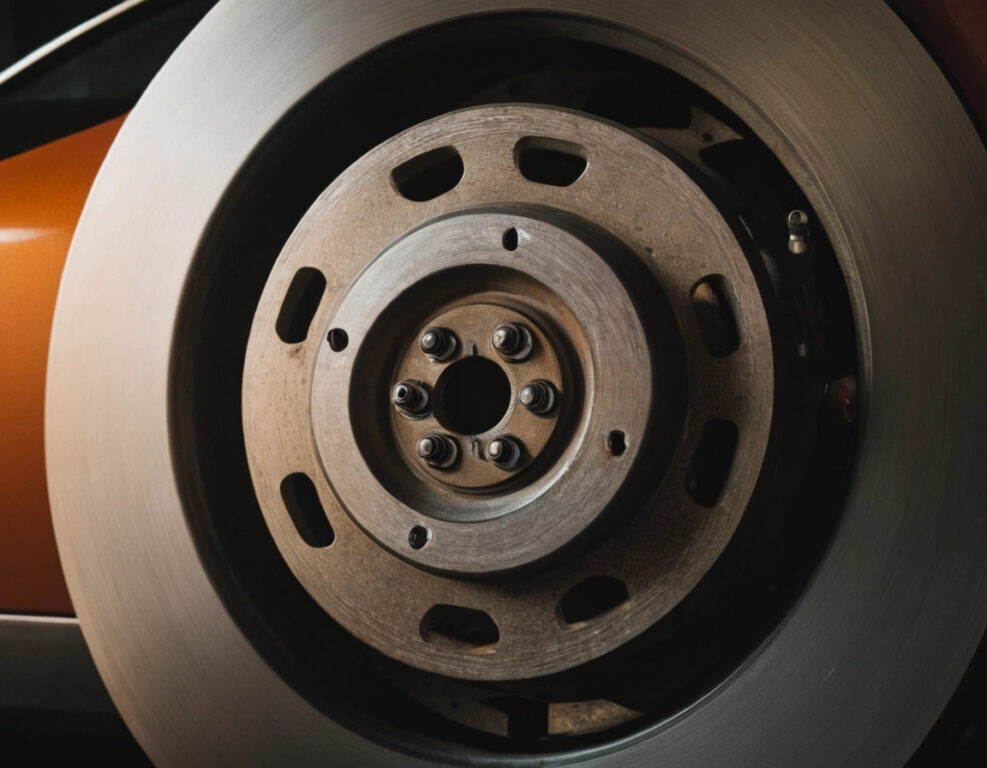
Have you ever noticed that when you drive in wet conditions, your car’s brakes don’t respond as they should? Or perhaps you feel that the vehicle’s response is slower than normal after a rainy day? It’s a frustrating situation, but there’s something you may not have thought about: moisture in the brake drums. But, can moisture be removed from brake drums with braking tests? I’m going to tell you everything you need to know, from the problems that moisture causes to whether braking tests really help solve this issue.
I recommend you watch this article, which is interesting: Do You Know How Long a Fish Sleeps Over the Course of a Day?.
How to remove moisture from car brakes
Moisture in car brakes is not something that should be taken lightly. When water accumulates in the brake drums, several problems can occur, such as <a href=”https://www.chusmeando.com/preguntas-y-respuestas/guia-definitiva-para-limpiar-tu-lavavajillas-y-mejorar-su-performance/” title=”Guía definitiva para limpiar tu lavavajillas y mejorar su rendimiento”>reduced braking performance and even premature wear of the parts. This is because water interferes with the operation of the brake shoes and can cause corrosion. So, how can we reduce moisture in car brakes?
The answer is not as simple as just taking a drive around the city. One of the ways to dry brake drums is to perform a proper braking test. But, as we will see later, there are some important considerations.
effectiveness of braking tests for removing moisture
Now then, many drivers wonder whether braking tests are really effective for removing moisture from brake drums. The short answer is: yes, but with nuances. When you brake at high speed or perform a hard braking test, the heat generated by friction can help evaporate the water accumulated in the brake drums. This can work if the water is not present in large amounts and if the weather and vehicle conditions allow it.
However, braking tests are not a definitive solution. In some cases, the drying process may not be complete if the moisture persists or if it has not been completely removed from the brake parts. That is why, in addition to braking tests, it is important to take other strategies into account.
Problems caused by moisture in brake drums
When water accumulates in car brakes, several performance problems can be experienced. Moisture affects braking efficiency, which can cause the brakes to respond more slowly or less effectively. In addition, corrosion can begin to form on the metal parts, leading to premature wear of the brake components.
The smoke or smell that can sometimes be noticed during braking tests, if done aggressively, is an indication that the brakes are working harder than necessary to stop the car, which can make the situation worse. That is why braking tests can be useful, but they do not solve the problem in the long term if the moisture is recurring.
Techniques for drying brake drums
If after performing a braking test you are unable to remove all the moisture from the brake drums, there are some additional techniques you can try. One of the most effective is to let the brakes dry naturally while you drive, performing gentle and continuous braking maneuvers for a while.
Another option is to use special products that help remove moisture from brake components, such as brake cleaners, which often have drying properties. If moisture is somewhat frequent in your vehicle, you could consider installing moisture protection or even checking the brake drum seals to prevent water from entering.
Is it possible to remove moisture from brake drums with braking tests?
Yes, as I mentioned earlier, the braking test can help remove some of the moisture from the drums, but it will not always be a complete solution. Hard braking tests can generate enough heat to evaporate part of the accumulated water, but if there is persistent moisture or an excessive amount of water, you will likely need a more thorough approach to solve the problem.
Why does moisture affect car brakes?
Moisture affects the brakes because water can interfere with the contact between the brake shoes and the drum, which reduces braking efficiency. In addition, the corrosion that can develop due to constant exposure to water can damage the internal components, which generates additional repair costs in the long term.
Methods to prevent moisture accumulation in brake drums
To prevent moisture accumulation in the brake drums, it is essential to make sure the parts are always well maintained. Performing periodic inspections and making sure that the gaskets and seals are intact is crucial. It is also helpful to give the brakes good maintenance, cleaning them regularly to prevent the accumulation of dirt and moisture.
Tips to prevent moisture in drum brakes
In addition to braking tests and regular maintenance, it is also advisable to avoid driving in extreme humidity conditions unnecessarily, such as in constant rain. If possible, park the car in a dry place to prevent prolonged exposure to water.
Conclusion: Can we remove moisture from brake drums with braking tests?
In summary, yes, braking tests can help remove some of the moisture in brake drums, but they are not a definitive solution. If the moisture persists, it is important to take additional measures such as drying the brakes in a controlled way or performing deeper maintenance. Remember that the problem of moisture in the brakes not only affects the car’s performance, but can also compromise safety.