
Post actualizado el día September 27, 2026 by DeiviSanzPlay
Bees are more than just buzzing insects; they are essential pollinators for the plants and flowers that inhabit our planet. If you have ever marveled at seeing a flower bloom in spring or how fruit trees bear fruit, you should know that much of this is due to the hard work of bees. Their importance in the pollination of plants is vital for the health of our ecosystems, and without them, much of the vegetation we know could disappear.
I recommend you check out this article, which is interesting: Do you know when a penis is considered small or large?.
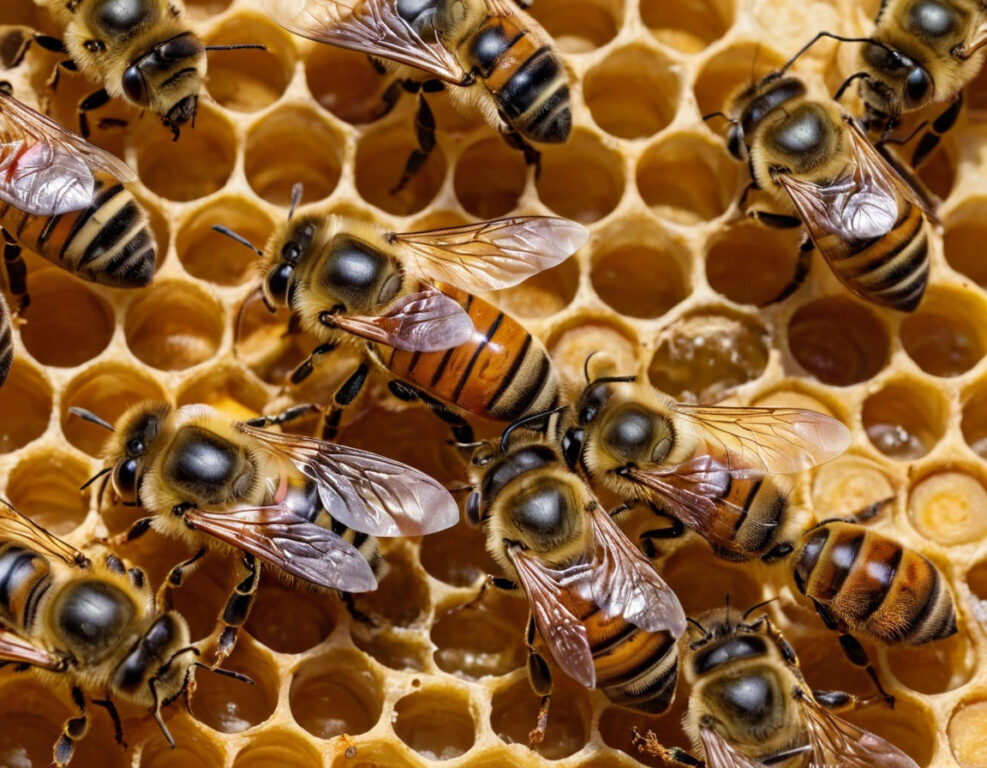
Bees and their relationship with plant biodiversity are fundamental. This insect plays a crucial role not only in gardens and fields, but throughout the entire natural world. Through pollination, bees help with the reproduction of plants, allowing many species to continue existing and reproducing. Without the intervention of these small but powerful pollinators, many plants and flowers could not develop properly.
An interesting aspect is that there are different types of pollinating bees, and each one has its own role in pollination. Some bees are specific to certain plants, while others can pollinate a broader variety of species. For example, honeybees are known for their dedication to work and their ability to pollinate a large number of plants, from fruits to ornamental flowers. These bees are not only crucial for flowers, but also for agriculture and food production, as they help pollinate crops such as apples, almonds, and tomatoes.
The benefit of bee pollination for flowers cannot be underestimated. When bees visit a flower, they transfer pollen from one plant to another, which allows fertilization. This process is necessary for the production of seeds and fruits. If you have ever wondered how your plants or flowers can keep growing and reproducing year after year, the answer is thanks to the constant work of these insects.
In addition to helping plants reproduce, bees also have a direct impact on the health of the ecosystem as a whole. Their activity as pollinators promotes biological diversity, allowing plants to grow in a variety of habitats and feed numerous animals, including other insects and birds that depend on them for their sustenance.
The disappearance of bees is a topic that worries many environmentalists. The impact of the disappearance of bees on plants and flowers would be catastrophic, since many species depend on them for pollination. Without bees, the biodiversity of our planet would be severely affected, and many agricultural crops would be threatened, endangering food production for human beings.
If you are passionate about the world of gardens, you have surely wondered how to attract more bees to improve pollination in your garden. There are various strategies to do so, such as planting native flowers, avoiding the use of harmful pesticides, and providing water sources so that bees can stay hydrated. By making sure to create a bee-friendly environment, you will not only be helping the pollination of your plants, but you will also be contributing to the protection of these vital species.
The most common bee species that participate in flower pollination are diverse, and each one has its own life cycle and characteristics. From solitary bees, which pollinate individual flowers, to social bees, such as the famous honeybee, which works in colonies and is capable of covering larger areas. All of them play a crucial role in maintaining the natural balance of ecosystems.
That is why we must be aware of the importance of protecting these small workers. Strategies to protect pollinating bees include not only creating friendly gardens, but also supporting conservation policies that foster a safe and healthy environment for bees.
In summary, pollinating bees are much more than a common insect. They are the invisible guardians of nature, allowing our plants and flowers to keep blooming, creating a balance in the ecosystem that is fundamental for our own survival. So the next time you see a bee buzzing near your flowers, remember the crucial work it does to sustain life on Earth. Bees really are the heroes of the natural world!