

Post actualizado el día September 27, 2026 by DeiviSanzPlay
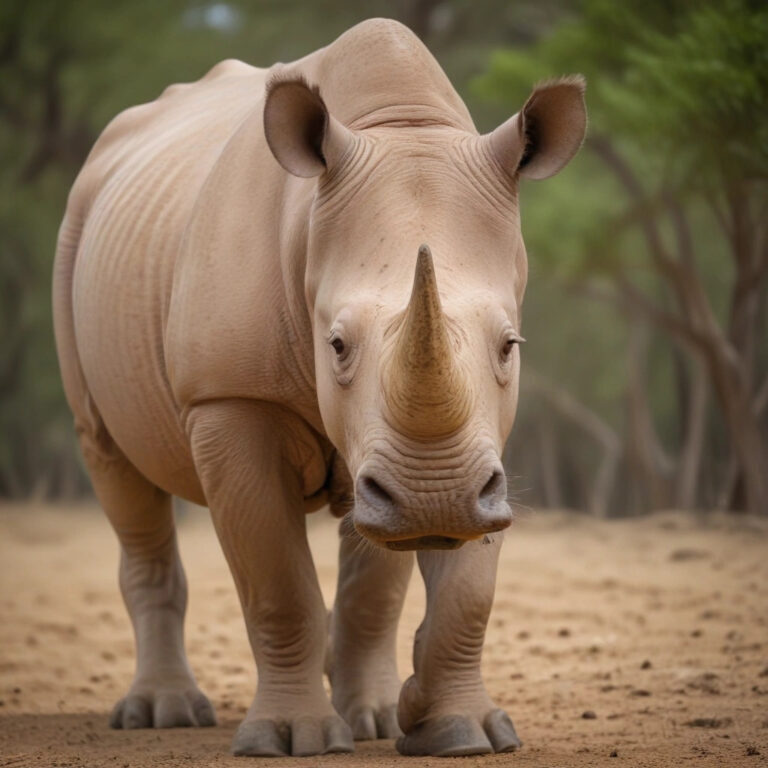
This mammal perissodactyl, which belongs to the family Rhinocerotidae, is none other than the largest rhinoceros of all the species that exist. It can reach up to 4.2 meters in length and weigh up to four and a half tons in the largest specimens!
I recommend you check out this interesting article: FAQ about Artificial Intelligence (AI).
The white rhinoceros is a fascinating creature, with a robust body and a personality that reflects its imposing size. It is one of the rhinoceros species that still exists today, although its population is in danger due to poaching and loss of habitat. There are several rhinoceros species in the world, but the white rhinoceros, with its characteristic thick skin and prominent horn, remains the king of them all.
The size and weight of the white rhinoceros are just some of the aspects that make it unique. An adult can measure up to 1.85 meters in height, making it one of the largest mammals on earth. Despite its size, the white rhinoceros moves with surprising agility when it feels threatened, demonstrating that, although large, it is also capable of defending itself if necessary.
But what do we know about the white rhinoceros’s diet? These animals are herbivores, and their diet is based mainly on grasses, herbs, and leaves. They are known for their habit of grazing over large areas during the day. Despite their size, their digestive system is highly efficient at processing large amounts of vegetation.
As for their natural habitat, white rhinoceroses are found mainly in the savannas of Africa, although they can also be found in some more forested areas. They prefer open regions, where they can travel long distances in search of food. The behavior of the white rhinoceros in the wild is mostly calm, but as territorial animals, they can become aggressive if they feel their territory is being invaded.
Conserving the white rhinoceros is essential to maintaining the ecological balance of its habitat. Currently, the white rhinoceros is in danger of extinction due to poaching and habitat loss. Fortunately, several conservation initiatives are working to protect these majestic animals and ensure their survival. Through protection programs and the creation of nature reserves, efforts to save the white rhinoceros are helping to increase its population, although there is still much work to be done.