
Post actualizado el día September 27, 2026 by DeiviSanzPlay
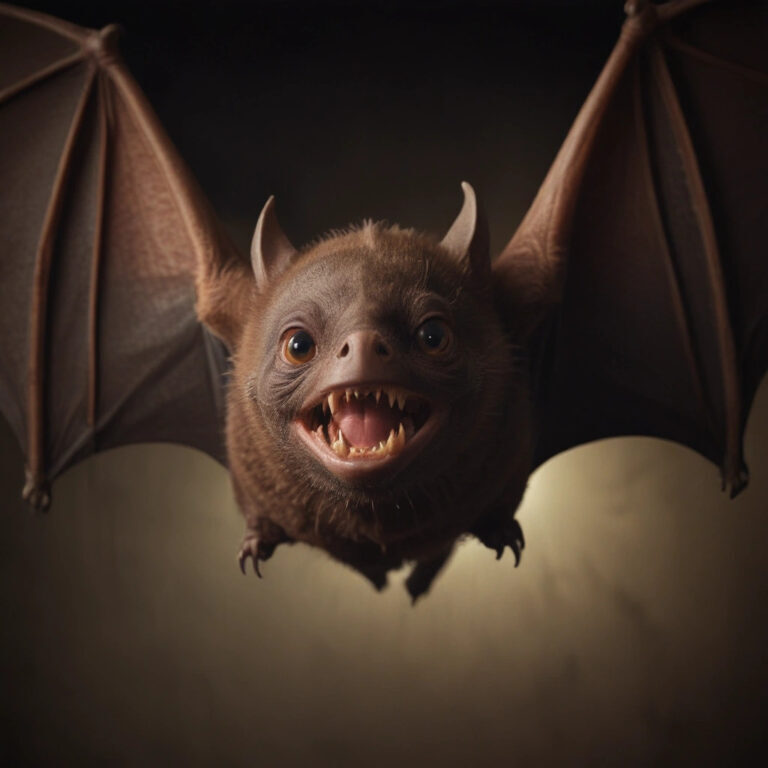
Often associated with legends and myths, these phyllostomid bats belong to the subfamily Desmodontinae and, unlike what you might think, their way of life has a very interesting scientific explanation. Their diet, which is based on hematophagy, is a unique trait in the animal world. But how is it possible that a small and nocturnal animal can feed on blood?
I recommend you check out this interesting article: What types of arid soils exist.
Hematophagy, which is the process of feeding on blood, is the key to understanding the life of these bats. Vampire bats specialize in this type of feeding and have a series of adaptations that allow them to obtain blood without causing serious harm to their prey. Unlike other animals that feed on meat or plants, these bats have developed a series of unique characteristics to carry out this highly specialized type of feeding.
How do vampire bats feed? Although the traditional image is that of a bat that attacks its prey like a mythological vampire, the truth is that hematophagous bats feed on the blood of animals, but without causing them serious harm. They use their sharp teeth and specialized tongue to make a small incision in the skin of their victim and then lick the blood that flows out. This process, although it may sound strange, does not result in deep wounds and, in fact, many animals do not even realize they have been “bitten.” The nocturnal behavior of vampire bats also plays a key role, since they feed at night, which allows them to avoid predators.
People often talk about the types of vampire bats, and it is important to know that there are three main species within this subfamily Desmodontinae: the Desmodus rotundus, which feeds on the blood of mammals; the Diphylla ecaudata, which prefers the blood of birds; and the Diaemus youngi, which also feeds on birds. Each species has its own techniques and specializations regarding how they obtain their food, but all share the ability to consume blood as their main source of nutrition.
Vampire bats and their specialized feeding are a clear example of how evolution can give rise to truly surprising behaviors and adaptations. Although most bats feed on fruits, insects, or nectar, vampires have developed this peculiar diet, which gives them a unique advantage in their environment. Despite their somewhat feared nature, these bats play a crucial role in the balance of their ecosystems.
Of course, the behavior of the vampire bat is greatly influenced by its diet. Its nocturnal way of life allows it to stay away from predators and find its prey effectively. In fact, the night is its kingdom, and they are incredibly agile and silent when moving in the darkness, which allows them to carry out their feeding without being detected.
Despite the fearsome stories told about vampire bats, it is important to note that they are not a direct threat to human beings. Although their blood diet may seem unsettling, these animals rarely attack people. Nocturnal bats such as the vampire have a preference for smaller animals or birds, and generally only cause minor nuisances. However, it is important to keep in mind that, due to their diet, these bats can be carriers of diseases, which makes their handling and study important.