
Post actualizado el día September 27, 2026 by DeiviSanzPlay
They say that the flowers given on Valentine’s Day February 14th?” href=”https://www.chusmeando.com/festividades-del-calendario-y-celebraciones/por-que-se-regalan-flores-en-el-dia-de-los-enamorados-14-de-febrero/”>February 14th is not just any other day. It is the day when the entire world surrenders to the date and the true origin of this emotional celebration✨” href=”https://www.chusmeando.com/festividades-del-calendario-y-celebraciones/el-dia-del-padre-en-paraguay-se-celebrates-el-tercer-domingo-de-junio-15-06-2025-conoce-su-history-tradicion-y-homenaje-a-las-figuras-paternas/”>celebration of love. But have you ever wondered what the origin of Valentine’s Day is? There are many stories, myths, and realities mixed into this very special date. Some versions say it all began in the Middle Ages, while others trace the story back to much older times. To learn more about this celebration, you can visit History.com.
I recommend you check out this article, which is interesting: How to get out of Google sandbox and improve your positioning?.
The history of Saint Valentine is shrouded in mystery. It is said that there was a priest named Saint Valentine, who defied the orders of a Roman emperor who had banned marriages between young people. Valentine, faithful to his beliefs, continued performing weddings in secret, becoming a symbol of the celebration of lovers. His act of rebellion cost him his life, but it also secured him a place in history. For more details about this figure, you can consult National Geographic.
Valentine’s Day is not only a date for romance, but also a moment when many cultures celebrate different forms of affection. In some countries, such as Finland and Estonia, February 14th focuses on friendship more than romantic love. Interesting, right? If you want to explore more about how this date is celebrated in different places, check out BBC Mundo.
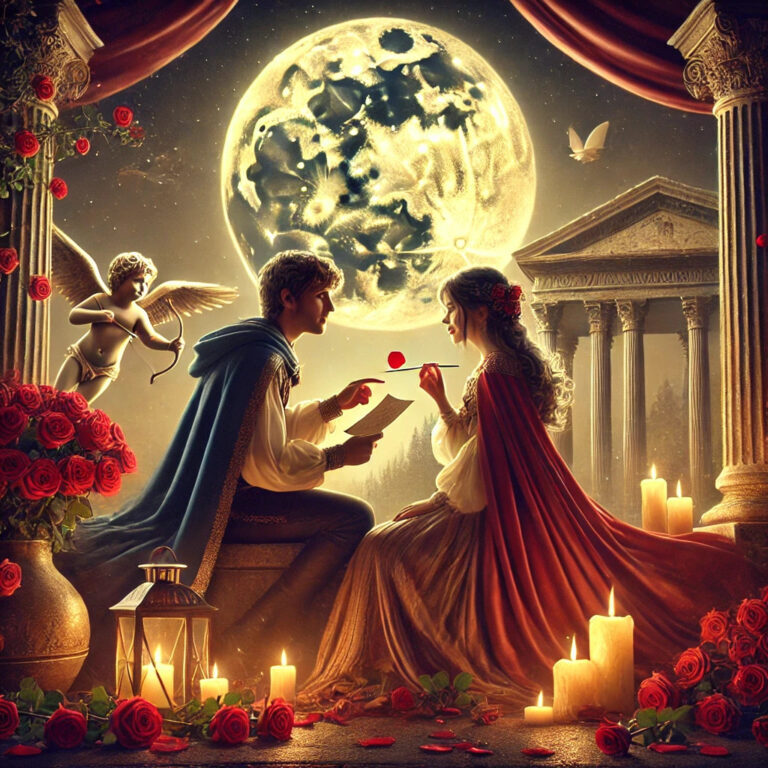
But let’s return to the central question: why are roses given on Valentine’s Day? The tradition comes from ancient Rome, where flowers symbolized passions and deep emotions. Cupid, that mischievous archer of love, also plays a fundamental role in the story. His image is linked to the idea of a fertile and eternal love, something that reinforces the symbolic character of this date. Learn more about the symbolism of flowers at the Royal Horticultural Society.
Nowadays, the Valentine’s Day market has become a multi-billion-dollar industry. It is estimated that billions are spent each year on gifts such as chocolates, stuffed animals, and romantic dinners. However, this celebration was not always so commercial. In the Middle Ages, lovers exchanged love letters and romantic poems, something that over time evolved into the Valentine’s cards we know today.
But it is not all sweetness and romance. There are san-isidro-labrador-al-detalle/”>myths and legends about Saint Valentine that give the story an intriguing twist. Some say that February 14th also has roots in pagan festivals such as Lupercalia, a Roman celebration full of curious and sometimes slightly dark rituals.
Throughout the world, the expression of love in different cultures takes varied forms. In Japan, for example, it is women who give chocolates to men, while in South Korea, every month has a day dedicated to love.
But then, what do we really know about who Saint Valentine was? Although there are several historical figures with that name, the most popular is that of the priest martyred in the 3rd century. His legacy has transcended the centuries and continues alive on every February 14th.
Today, romanticism has evolved and adapts to new generations. Social media, dating apps, and digital messages have changed the way we express our feelings. Even so, the essence remains the same: sharing love in all its forms.
The tradition of February 14th is not only linked to Saint Valentine, but also to a commercial strategy that every year boosts sales of gifts and romantic experiences. The role of flowers on Valentine’s Day remains crucial, since they symbolize love in different cultures. It is also interesting to see how love and commerce on Valentine’s Day have grown hand in hand, creating a global event with economic and sentimental impact.
The customs of Valentine’s Day vary by region, but they all share a common element: the expression of affection. Whether with a gift, a letter, or a special dinner, February 14th remains a day that leaves a mark. And although Valentine’s Day marketing strategies have boosted the commercial side of the date, its essence remains the same: celebrating love in all its forms.