
Post actualizado el día September 27, 2026 by DeiviSanzPlay
<a title="What is the tallest land animal in the world?” href=”https://www.chusmeando.com/descubre-animal-kingdom/what-is-the-tallest-land-animal-in-the-world/”>Have you ever <a title="Have you ever wondered how to change the language on Prime Video?” href=”https://www.chusmeando.com/informatica-y-tecnologia/te-has-preguntado-alguna-vez-como-cambiar-el-idioma-en-prime-video/”>wondered what is the fastest animal in the world? This is a question that has probably crossed many people’s minds, and the answer, although surprising, is even more fascinating when we discover it. When we think of speed in the animal kingdom, there is one name that stands out above all others: the fastest animal on the planet, the cheetah.
I recommend you check out this interesting article: How the Crocodile Lives: A Fascinating Journey into the World of These Reptiles.
The cheetah is known for its ability to reach astonishing speeds, being able to run at more than 100 km/h over short distances. This incredible swiftness makes it the fastest animal on land. But is it the fastest living being of all? The answer varies depending on how we define “speed,” since other animals excel in different environments.
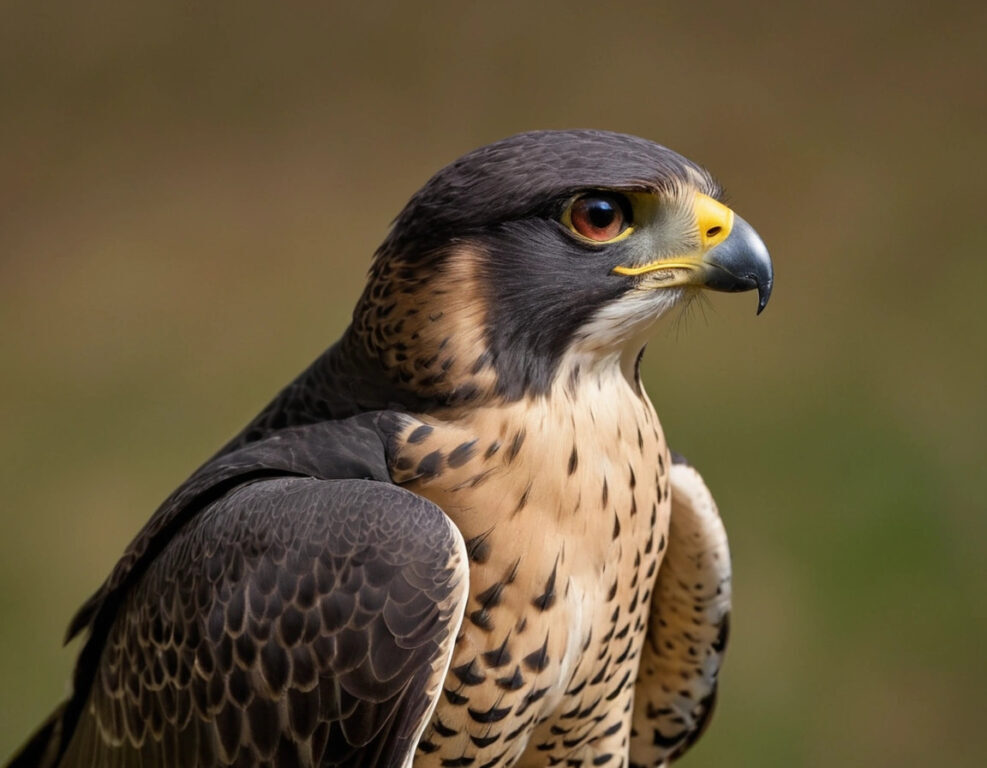
In the world of speed, the fastest animals in the world are surprisingly diverse, and it’s not all about speed on land. For example, in the air, the peregrine falcon holds the title of the fastest animal in flight, reaching dizzying speeds of up to 380 km/h in a dive. This is a clear example of how animals adapt to their environments to maximize their efficiency in hunting and survival.
But what makes an animal so fast? Is it just musculature, or is there something more in its biology? The factors that contribute to speed in animals are diverse. In the cheetah’s case, its slender body, high-fiber muscles, and its adaptations aerodynamic features make it an unbeatable sprinter over short distances. The flexibility of its spine and its large hind legs give it that explosive acceleration that allows it to reach such speeds.
However, the <a href=”https://www.chusmeando.com/descubre-reino-animal/la-grandeza-de-los-elefantes-en-la-<a title="The Fascinating World of the White Bengal Tiger: A Treasure of Nature" href="https://www.chusmeando.com/descubre-reino-animal/tigres/el-fascinante-mundo-del-tigre-blanco-de-bengala-un-tesoro-de-la-nature/”>nature/” title=”the Greatness of Elephants in Nature”>speed of felines in nature is not limited to the cheetah. Other felines, such as lions and tigers, are also very fast, but they cannot compete with the cheetah in terms of pure speed. Although they are efficient hunters, their speed is more reflected in their ability to stalk and hunt their prey with strategy, rather than in fast races.
What is truly surprising is the impact that speed has on animal survival. For many predators, the ability to run fast not only helps them hunt, but also to escape dangers. The speed record in the animal kingdom is not only an impressive feat, but also a survival mechanism that has been perfected over millions of years of evolution.
In some cases, the fastest animal on land, in the air, and in water is not the one that runs the fastest, but the one that has the ability to move most efficiently in its environment. For example, in water, the sailfish takes the title of fastest animal in the sea, reaching speeds of over 110 km/h. This fish demonstrates that speed in nature is not always a matter of size, but of adaptation to the environment.
And if you have ever wondered how animals manage to maintain such speeds, the answer lies in their biology. The factors that contribute to speed in animals range from the structure of their body to the efficiency of their cardiovascular system. Muscle, fast-twitch fibers, and aerodynamic design are just some of the elements that allow these animals to achieve such feats.
In summary, the title of the fastest animal in the world depends on how you measure it. The cheetah is indisputably the king of speed on land, but in the air and water, other animals hold the throne. These fast animals are not only fascinating for their numbers, but for the astonishing adaptations that allow them to be so fast and survive in their respective habitats.