
Post actualizado el día September 27, 2026 by DeiviSanzPlay
I once went into a toilet paper factory. Well, actually it was to visit a cousin who works there, not to see how they made the rolls/”>rolls of paper. But in the end, that’s what caught my attention the most.
The first idea they get out of your head is the one about them cutting down entire forests. According to what they told me, that’s not the case. The raw material for toilet paper is usually the leftover wood, the parts of the tree that aren’t good for furniture or planks, like the tips of the branches and the trimmings. Everything goes to a machine that removes the bark, and then the clean trunk is chopped into little chips.
The strangest part is what comes next. Those chips are put in to cook. Yes, as if it were a giant pot, but with chemicals and for hours. The idea is to separate the good fiber from the natural “glue” of the wood, which they call lignin. Then they wash everything, bleach it so it turns white, and now you have a wet paste that looks like a very watery puree.
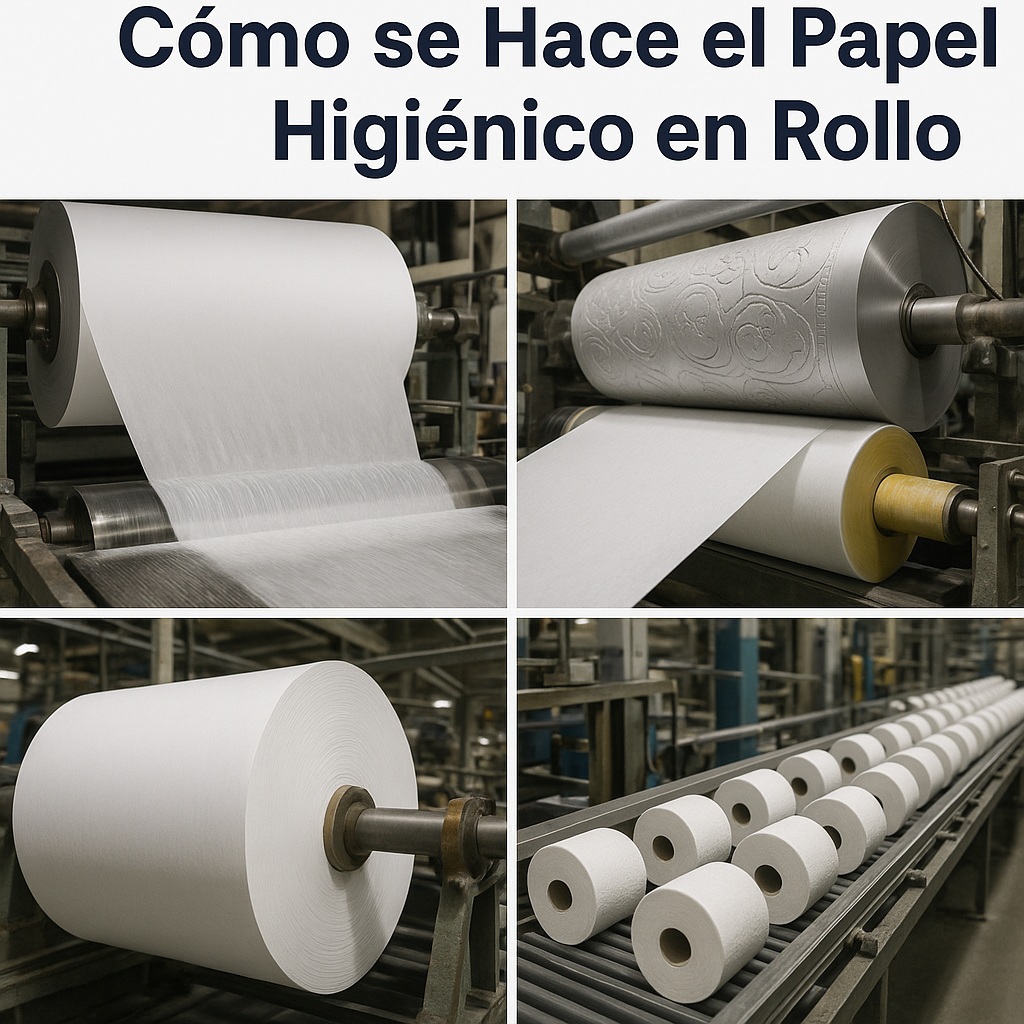
The process for making hygienic/”>hygienic paper, the regular kind, continues there. That paste is mixed with water and sometimes with recycled paper. They pour it onto a huge mesh that vibrates so that almost all the water drains away and the fibers start to bind together. What’s left is passed through hot rollers to dry it completely, and then a blade scrapes off a very thin layer: it’s paper now! They roll it onto a giant cylinder that looks like a tree trunk, then they add the square perforations and cut it into the rolls of paper we all know.
But there’s another story. Recycled hygienic paper has a different path. It doesn’t start in the forest, but in blue bins. They collect office paper, old magazines, newspapers, and take it to a paper factory. There they shred it, mix it with water and cleaning products, and refine it until it also becomes a pulp. The rest of the journey is almost the same: they turn it into those giant rolls and then cut them to size to reach your home.
What surprised me the most was the scale of everything. In a real hygienic paper factory they don’t make two rolls. They make thousands at a time, all automated. You see how the pulp travels through pipes, how the machines roll and cut non-stop. That hygienic paper production is insane. Thinking about the number of people who use bathroom paper and that it has to come out of there every day… it makes/”>makes you see things differently.
In the end, the next time I grab a roll, I won’t just see toilet paper. I’ll see cooked wood chips, or maybe my electricity bill from last year turned into puree and transformed. It’s a strange journey that the simplest thing takes.