

Post actualizado el día September 27, 2026 by DeiviSanzPlay
What is a windmill of wind and what were its main https://www.chusmeando.com/seccion/href/”>href=”https://www.com/seccion/chusmeando/”>chusmeando.com/informatica-y-tecnologia/almacenamiento-en-linea-ejemplos/” title=”How to Move Apps to SD Card on Android”>applications?
A windmill is a quot;https://www.chusmeando.com/preguntas-y-respuestas/tecnicas-narrativas-estilo-punto-de-vista-tiempo-y-structure-en-la-narracion/” title=”Narrative techniques.
I recommend you check out this interesting article: Orange TV not working: The most effective fixes..
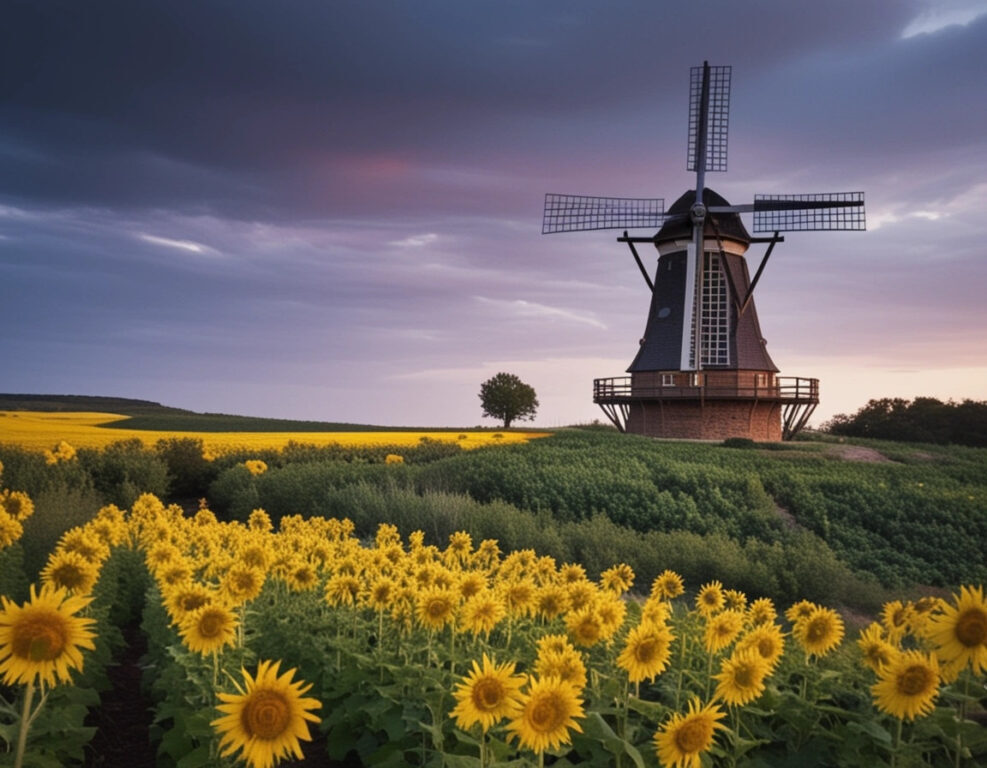
style, point of view, time and structure in narration.”>structure designed to convert energy from the wind into mechanical energy through blades that rotate with the wind. These devices/” title=”How to properly configure a VPN on all your devices?”>devices-mas-ingenious-jamas-creados/” title=”How the astrolabe worked, who used it and why it is still considered one of the most ingenious devices ever created”>ingenious devices have been used for multiple purposes throughout history, from grinding grain to pumping water and generating electricity.
Traditionally, windmills were evolved-a-lo-largo-del-tiempo/” title=”How the first Railways worked, what technologies they used and how they have evolved over time”>used in agriculture to grind cereals or corn, facilitating the production of food and the sustenance of entire communities. They also played a crucial role in water management, especially in low-lying countries like the Netherlands, where they helped drain floods.
How was wind energy captured and used in a traditional windmill?
The heart of a windmill is its system of blades and shaft. The blades, adjustable and orientable according to wind direction, are designed to capture the kinetic energy of the wind and transform it into mechanical energy through the rotation of a central shaft. This shaft transmits energy to various machinery, depending on the specific use of the mill.
The orientation mechanism, known as the “weather vane” or “rudder,” allows the mill to adjust to face the wind optimally, thus maximizing the efficiency of energy capture. The rotation of the shaft is used to move millstones (in grain mills), pumps (in water mills) or generators (in electric power mills).
What innovations were introduced in windmills throughout history?
Throughout the centuries, windmills have undergone numerous innovations that have improved their efficiency and expanded their applications. From the first designs in Persia to modern wind turbines, windmills have evolved significantly.
In the 19th century, innovations were introduced in blade design and internal mechanisms, allowing for smoother and more efficient operation. More recently, the transition toward sustainability has revitalized interest in wind technology, leading to the development of wind turbines capable of generating large amounts of clean electrical energy.
What is the legacy of windmills in modern society?
The legacy of windmills in modern society is profound. They have inspired a transition toward cleaner and more sustainable energy sources, such as wind energy, which is one of the pillars of the renewable energy strategy in many countries. Furthermore, windmills continue to be cultural symbols of innovation and self-sufficiency.
Despite modern technology, the basic principles used in ancient windmills are still applied in contemporary technologies. This shows that, sometimes, the most effective solutions are those that harmonize with the forces of nature instead of trying to dominate them.