
Post actualizado el día September 27, 2026 by DeiviSanzPlay
Let me tell you about the , that identity, background one, it won’t show up. Interns don’t appear either, for example.
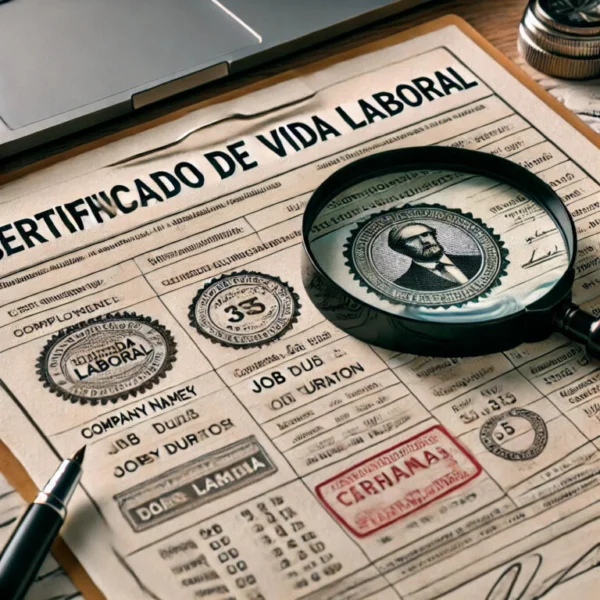
Before, there was the the big “but.” Many people complain that in practice it’s not very useful. The reason? That work experience it shows comes only from the electronic payroll. If you worked on a temporary State project, like with INEI or ONPE, it probably won’t appear. Same if you were an intern or if your employer was informal. So, you can have years of resume, but your official work certificate comes out almost blank. It’s frustrating.
On the education side, it can also fail. The system looks for your info in the Ministry of Education and SUNEDU, but sometimes there are technical problems and nothing loads. Imagine going to an interview with a labor certificate that doesn’t show your technical school or your university. You look bad right away.
For a young person just starting out, the former certijoven or this new single labor certificate can give them some backing, even with little experience. But for someone with years in the market, it can be a headache. I’ve seen comments from people saying companies don’t even ask for it because they know the information is incomplete.
In summary, the single labor certificate is an attempt by the Ministry of Labor to sort things out, but it still falls short. It’s useful as a first filter for some companies, especially formal ones. But it’s not the absolute truth of your career. If you’re going to use it, review it carefully as soon as you get it. Make sure the jobs and studies that are properly registered appear. If something is missing, it needs to be corrected at the source, not on the certificate. And keep your old proof documents on hand, just in case.