
Post actualizado el día September 27, 2026 by DeiviSanzPlay
If you have ever heard of the fighting bull or seen a bullfight, you have probably been fascinated by the majesty of this animal. The fighting bull is one of the most emblematic breeds in Spain, known for its bravery, its strength, and its imposing presence. But what makes this bull so special? Today I will tell you everything you need to know about it.
I recommend you check out this interesting article: Google Trends: what it is and how to use it.
The origin and history of the fighting bull are as old as bullfighting culture itself. This breed, which has existed for centuries, has been bred and selected specifically for bullfights, becoming a symbol of tradition Spanish. Although many people associate it solely with bullfighting, the fighting bull has a history that goes beyond the bullrings. From its rearing on estates livestock farms, to its participation in festivals and popular celebrations, this animal has been a central element of Spanish culture.
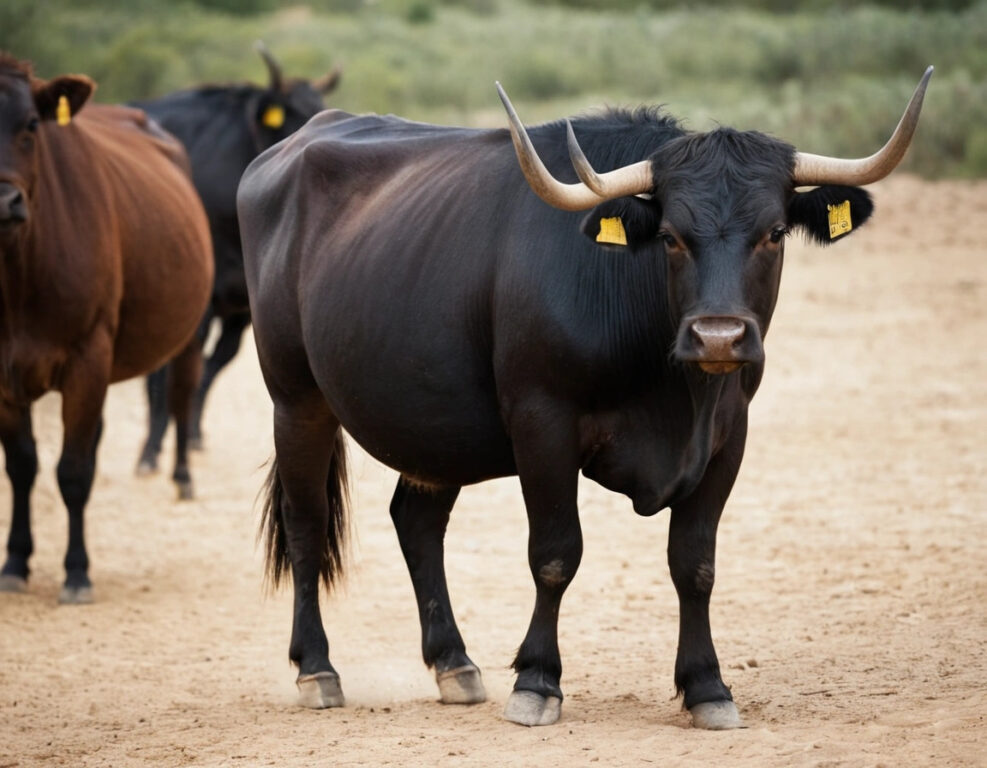
The characteristics of the fighting bull include its robust and muscular body, which allows it to move with agility and speed in the bullring. Fighting bulls are imposing animals, with incredible strength and a resistance that makes them worthy of respect. They are known for their temperament, and it is not uncommon for their behavior to turn fierce when they feel threatened or provoked. This is precisely one of the reasons why they are selected for bullfights: their fighting instinct and their ability to challenge the bullfighters. The behavior of the fighting bull in the bullring is, without a doubt, one of the characteristics that defines it.
But the fighting bull is not just a symbol of bullfighting. Today, there are efforts to improve its protection and welfare. Increasingly, the need to guarantee that these animals are treated with respect in their rearing and life on livestock farms is being recognized. The welfare of the fighting bull today has become a topic of debate, since, although its fate is tied to bullfights, many ranchers and animal protectors are working to ensure that its treatment on the farms and during its rearing is as ethical as possible.
The fighting bull and its relationship with bullfights is undeniable, but it is also true that there are those who defend its existence outside the bullrings. The fighting bull is a breed that, by its nature, needs ample space to develop and live in adequate conditions. The diet of the fighting bull plays a crucial role in its development. A rich and balanced diet allows them to maintain the strength and resistance needed for their activities. This diet also influences their behavior, since bulls that are fed naturally and properly are generally more energetic and vigorous.
Furthermore, the fighting bull has left a deep mark on bullfighting art, from paintings to sculptures, including theatrical and cinematographic representations. Its presence in Spanish culture goes beyond the bullfight: it is a symbol of Spanish tradition, of the passion and fighting spirit that characterizes this people. The relationship between the fighting bull and bullfighting art is one of the most fascinating facets of this tradition, since bulls have been represented as a noble and powerful figure in various forms of cultural expression.
The rearing of the fighting bull on livestock farms is a careful process full of tradition. Ranchers are responsible for raising these animals under special conditions, seeking to preserve the characteristics that make the breed unique. Livestock farms are the place where fighting bulls spend their lives until they are selected for bullfights. The conditions in which they are raised are fundamental for the bull to maintain its vigor and strength, which also influences its behavior in the bullring.
Although over the years there have been debates about the difference between the fighting bull and other bull breeds, what truly distinguishes this breed is its character. The fighting bull is much more than an animal bred for bullfights; it is a central piece of Spanish history and culture, and its presence in the bullring continues to be a spectacle admired by many.
In summary, the fighting bull is much more than a symbol of bullfighting. It is an animal full of history, culture, and tradition, whose presence in Spanish life has marked generations. While it is true that its fate is linked to bullfighting, it is also true that the fighting bull deserves our respect and a deep understanding of its rearing, feeding, and its role in culture. Have you ever wondered why the fighting bull continues to be such an important icon in Spain?