
Post actualizado el día September 27, 2026 by DeiviSanzPlay
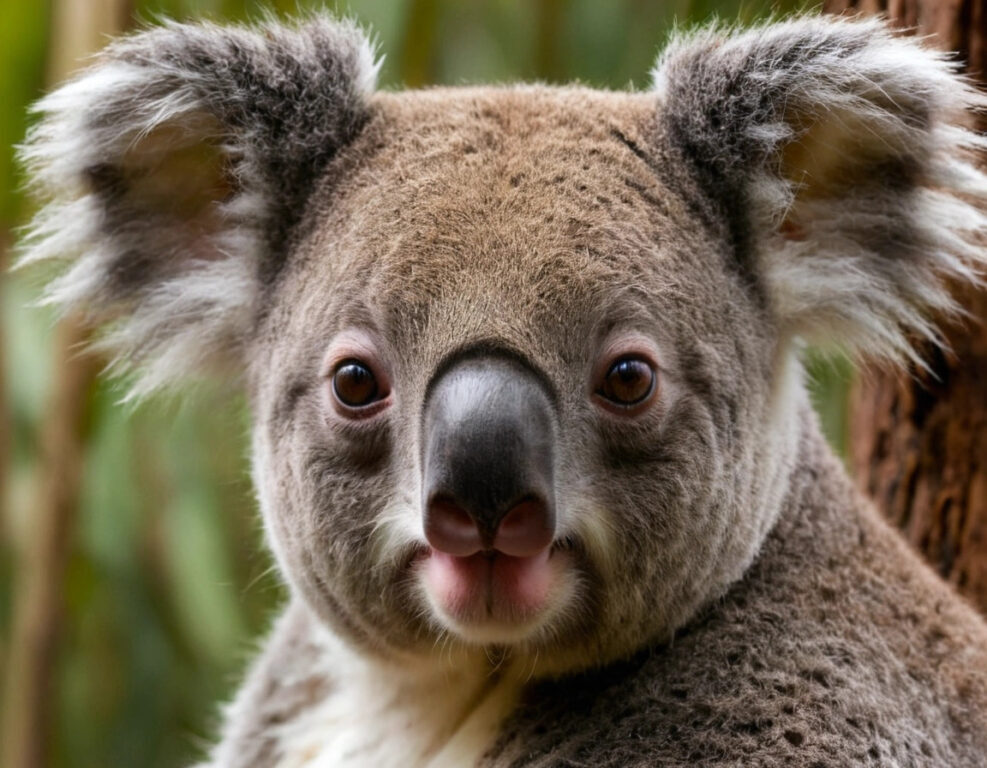
<a href="https://www.chusmeando.com/descubre-reino-animal/te-has-<a href="https://www.chusmeando.com/informatica-y-tecnologia/te-has-wondered-alguna-vez-como-cambiar-el-idioma-en-prime-video/” title=”Have you ever wondered how to change the language on Prime Video?”>wondered-alguna-vez-cual-es-el-animal-mas-rapido-del-world/” title=”Have you ever wondered what the fastest animal in the world is?”>Have you ever wondered which animal sleeps the most? If your answer is the <a href="https://www.chusmeando.com/descubre-reino-animal/canguros/por-que-los-koalas-y-los-canguros-son-marsupiales/” title=”Why koalas and kangaroos are marsupials”>koala, you’re right! This adorable marsupial is famous for its relaxed lifestyle and, especially, for its long periods of sleep. But what makes the koala, the animal that sleeps the most, so sleepy? In this article, I’ll tell you everything about the habits of the koala’s sleep and how this <a href="https://www.chusmeando.com/descubre-reino-animal/behavior-sexual-y-rituales-de-apareamiento-de-animales/” title=”Sexual Behavior And Mating Rituals Of Animals”>behavior is related to its survival in nature.
I recommend you check out this interesting article: What is the sun made of?.
Koalas are known for sleeping up to <a href="https://www.chusmeando.com/recomendaciones-para-dormir-y-descansar/es-bueno-dormir-mas-de-8-hours-al-dia/” title=”Is It Good to Sleep More Than 8 Hours a Day?”>18 hours a day. If you’re wondering how many hours a koala sleeps, the answer is that this animal can spend most of its day resting in the branches of trees. This prolonged sleep is a unique characteristic of koalas, and one of the reasons why they are considered one of the most sleepy animals in nature.
The secret behind this behavior has to do with its diet. Koalas feed mainly on leaves of <a href="https://www.chusmeando.com/flores-y-plantas/como-plantar-semillas-de-eucalyptus-efectivamente/” title=”How to Plant Eucalyptus Seeds Effectively”>eucalyptus, a plant with low nutritional value. Because their food doesn’t provide them with much energy, koalas need to conserve their energy by sleeping long hours to process the leaves they consume. This also helps them avoid dehydration, since eucalyptus leaves contain a large amount of water, which allows the koala to get the necessary hydration without having to move much.
The koala and its sleep habits are directly related to its metabolism. Koalas have an extremely low metabolism, which means their body doesn’t need much effort to digest their food. This allows them to sleep for so many hours without affecting their health, since their activity is mainly limited to feeding and resting.
Although koalas are famous for their deep sleep, they are not the only animals that spend a lot of time resting. There are other animals that also sleep a large number of hours a day, such as the sloth, which can sleep up to 20 hours, or certain bats and felines, which have similar habits. However, the koala, one of the sleepiest animals, is undoubtedly one of the most well-known for its love of rest.
If you’re wondering why the koala sleeps so much, the main reason is the need to conserve energy due to its diet. Additionally, its life in the trees, where it must be attentive to its surroundings, makes rest essential for its survival. During sleep, koalas can also avoid the extreme heat of the day, since the sleeping hours largely coincide with the times of highest temperature.
The sleep of koalas is not just a curiosity, but also a fundamental aspect of their life. The sleep of koalas allows them to properly process eucalyptus leaves, which contain substances that are difficult to digest. This specialized diet requires prolonged rest to maximize the absorption of the nutrients they need.
If you’ve ever wondered how much a koala sleeps per day, the answer is quite impressive. Koalas sleep between 18 and 22 hours a day, which places them among the sleepiest animals in the world. This prolonged rest time is vital for the koala to conserve the energy needed to live in its natural habitat.