Post actualizado el día octubre 26, 2026 by DeiviSanzPlay
Let’s cut the crap: most people use «frog» and «toad» like they’re interchangeable, and they’re not. I’ve spent enough time around ponds and gardens to know that confusing a frog with a toad is like confusing a greyhound with a bulldog. Same family tree, completely different vibes. Here’s what actually separates them, without the textbook fluff.
Skin: The First Dead Giveaway
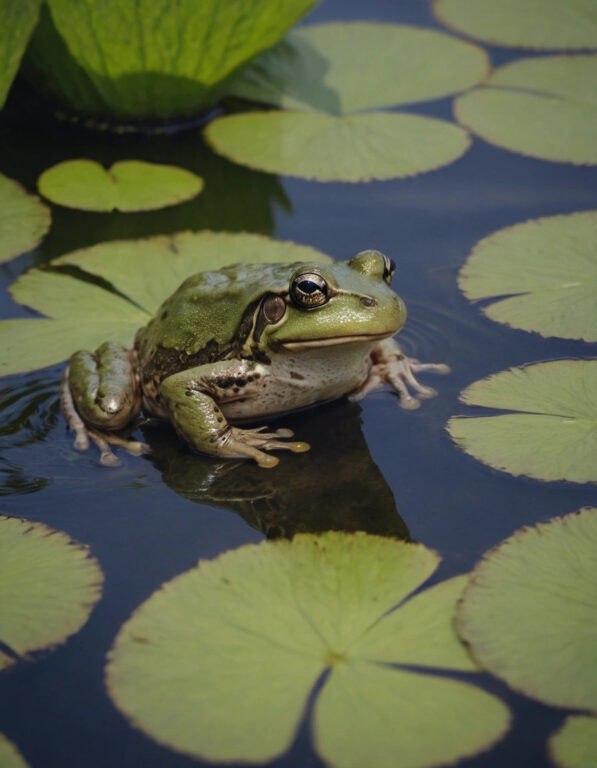
The single fastest way to tell a frog from a toad is to look at the skin. Frogs have smooth, moist, almost slippery skin. Toads? Dry, warty, leathery. That «warty» texture isn’t random — it’s a survival feature that helps them retain water in dry environments.
And no, you can’t get warts from touching a toad. That myth has been debunked for decades, yet it refuses to die. The bumps are glands, not infections.
That moisture difference isn’t cosmetic either. Frogs need to stay wet because they actually breathe through their skin. Toads can handle drier conditions because their skin is thicker and less permeable.
Body Shape and Movement: Built for Different Lifestyles
Frogs are the athletes of the amphibian world. Long, muscular hind legs built for explosive jumping. Some species can leap twenty times their own body length. Toads? Short legs, stout body, and they move with that slow, deliberate hop-walk that looks almost grumpy.
This isn’t just about aesthetics. A frog’s frog vs toad comparison always comes down to locomotion: frogs jump to escape predators, toads rely on their toxic skin secretions and camouflage instead. Different defense strategies, different bodies.
There’s an exception though. Some «toads» like the spadefoot toad can actually jump reasonably well. Nature doesn’t read our categories.
Habitat: Where You’ll Actually Find Them
Frogs are water-dependent. You’ll find them in lakes, ponds, rivers, swamps, and anywhere with consistent moisture. They need water not just to live but to reproduce. Their eggs dry out fast without it.
Toads are the survivors. They can live in gardens, forests, even semi-arid areas. They only return to water to breed. The rest of the time, they’re perfectly happy under a rock or in a burrow.
This is why you see toads in your backyard but rarely frogs unless you have a pond. If you’re trying to attract frogs to your garden, you need water. For toads, just give them shelter and insects.
Behavior: Night Owls vs Day Shift
Frogs are mostly nocturnal. They hunt at night when humidity is higher and predators are less active. Toads are more flexible — some are diurnal, some nocturnal, depending on species and temperature.
Both eat insects and small invertebrates. Both are opportunistic feeders. But a toad will sit and wait for prey to walk by, while a frog actively hunts. That’s a real behavioral difference you can observe if you’re patient.
One more thing: frogs croak to attract mates, and that sound is species-specific. Toads also call, but their calls are usually lower and less melodic. If you hear a loud chorus at night, it’s almost certainly frogs.
The Life Cycle: Similar but Not Identical
Both frogs and toads start as aquatic tadpoles and go through metamorphosis. That part is true. But the timing differs significantly.
Frog tadpoles typically develop faster — some species complete metamorphosis in just a few weeks. Toad tadpoles often take months. This matters because it affects survival rates and population dynamics.
Another quirk: toad tadpoles are often toxic to predators, which gives them an edge in ponds where fish are present. Frog tadpoles are basically fish food unless they can hide.
Why This Matters Beyond Trivia
Understanding the differences between frogs and toads isn’t just a party trick. Amphibians are bioindicators. Their populations tell us about water quality, pesticide use, and climate shifts. When frogs start disappearing from a pond, something is wrong with that ecosystem.
Toads are more resilient, which is why they’re often the last amphibians standing in degraded habitats. If you only see toads and no frogs, that’s a signal your local environment has lost its wetland health.
So next time you spot one of these guys, don’t just call it a frog. Look at the skin, the legs, the setting. You’ll know in two seconds. And you’ll actually understand what you’re looking at.