Post actualizado el día octubre 17, 2026 by DeiviSanzPlay
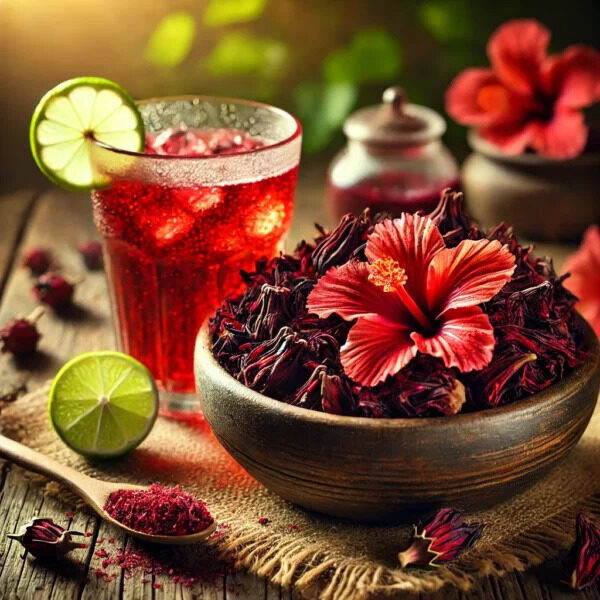
If you’ve ever grabbed a bottle of hibiscus iced tea at a random bodega or tried a cold glass of agua de Jamaica at a taquería, you already know this flower doesn’t taste like a delicate rose. It hits hard. So let’s cut the fluff: what does hibiscus taste like? It tastes like a cross between cranberry, pomegranate and unsweetened cherry juice, with a floral edge that lingers on the back of your tongue. That’s it. No mystery.
I’ve brewed this stuff at home for years, and the first thing anyone says after one sip is the same: «whoa, that’s tart.» And they’re right. The puckering sensation comes mostly from citric acid and a smaller dose of malic acid, according to food chemistry breakdowns published by sources like Wikipedia’s entry on hibiscus tea. That acidity is exactly what makes it feel refreshing instead of cloying.
Why Hibiscus Tastes Tart and Not Sweet
Hibiscus (Hibiscus sabdariffa, the species used for drinks) doesn’t carry much natural sugar. The calyces — the fleshy red parts you actually steep — are loaded with organic acids, anthocyanins and a bit of pectin. Those anthocyanins are the same pigment family that gives blueberries and raspberries their color, and they also contribute a faint berry-like note.
So when someone asks about the hibiscus flower taste, the honest answer is: it’s sour, fruity and slightly astringent. Astringent meaning it dries your mouth a little, like oversteeped green tea. That dryness comes from tannins. Brew it too long and you’ll taste it immediately — bitter, almost medicinal.
Here’s my rule after a lot of trial and error: steep dried hibiscus in hot water for 8 to 10 minutes max. Anything past 15 minutes and you’re extracting the harsh stuff that no amount of sugar fixes.
Is Hibiscus Sweet, Sour, or Floral?
All three, depending on how you drink it. Plain, it’s sour. Sweetened with sugar or honey, it’s a balancing act between sour and sweet. And in cold brew form, it leans more floral and less aggressive because heat pulls out more acid.
If you want the closest flavor comparison, think of:
- Cranberry juice — the sharpness is nearly identical
- Pomegranate molasses — the deep, dark fruitiness
- Roselle jam — common in Caribbean and West African cooking
- Tart cherry — but less sweet and more floral
Some people describe it as «berry-like with a perfume finish.» I’d back that. The floral note is subtle but real, especially when the tea cools down. Warm hibiscus tastes sharper; cold hibiscus tastes rounder and more aromatic.
How Preparation Changes the Flavor Completely
The same dried petals can taste wildly different based on three things: water temperature, steeping time and what you add.
Hot water (just below boiling, around 200°F) pulls out maximum tartness and color. Cold water over 12 hours pulls out a gentler, smoother profile that surprises people who only know the hot version. I’ve made both, and the cold brew is what I serve to friends who swear they hate hibiscus.
Additions matter too. A slice of ginger amplifies the heat. A cinnamon stick softens the acid. Lime juice makes it pop. Mint makes it feel lighter. In Mexico, agua de Jamaica is often sweetened generously with cane sugar and served over ice, while in Egypt and Sudan, karkadeh is drunk hot and very sweet. Same flower, totally different drink.
What About the Health Hype?
This is where I get skeptical. Yes, hibiscus is genuinely rich in antioxidants — anthocyanins and polyphenols — and there’s real clinical data behind its effect on blood pressure. A well-known review of randomized trials found that hibiscus tea lowered systolic blood pressure modestly in adults with hypertension.
But don’t treat it as medicine. It’s not going to replace your prescription, and drinking liters of it won’t make you immortal. It’s a pleasant, low-calorie drink that happens to have some cardiovascular upside. That’s a fair way to see it.
One caution worth stating plainly: hibiscus can interact with certain medications, including some diuretics and blood pressure drugs. If you’re on those, ask a doctor before making it your daily habit.
Can You Cook With Hibiscus Beyond Tea?
Absolutely. The dried calyces work in more places than most people expect.
- Tacos de Jamaica — a classic Mexican filling where the rehydrated petals get sautéed with onion and chile
- Hibiscus syrup — reduced with sugar for cocktails and desserts
- Salad toppings — chopped finely for a tart crunch
- Sorbet — the acidity cuts through fat beautifully
In these dishes, the flavor reads more savory than sweet. The tartness acts like vinegar or lemon would, brightening whatever it touches. That’s the part people miss when they only think of hibiscus as a tea ingredient.
The Bottom Line on Hibiscus Flavor
So what does hibiscus taste like? Tart, fruity, cranberry-adjacent, faintly floral, and slightly drying if you oversteep it. It’s not subtle, and it’s not for everyone. But if you like sour drinks, it’s one of the most refreshing things you can brew at home.
My advice: start with cold brew, sweeten lightly, and taste it before adding anything else. Once you know the base flavor, you’ll understand exactly why this flower has been a drink staple from Mexico to Sudan for centuries.