

Post actualizado el día octubre 26, 2026 by DeiviSanzPlay
Every year the same thing happens. December flies by, you’re juggling presents, dinner plans and a fridge that’s about to explode, and then someone drops the question: when exactly do the Three Wise Men arrive? If you hesitate, you’re not alone. The Three Wise Men schedule 2026 is not just a date — it’s a whole night of logistics, parades and strategic shoe placement.
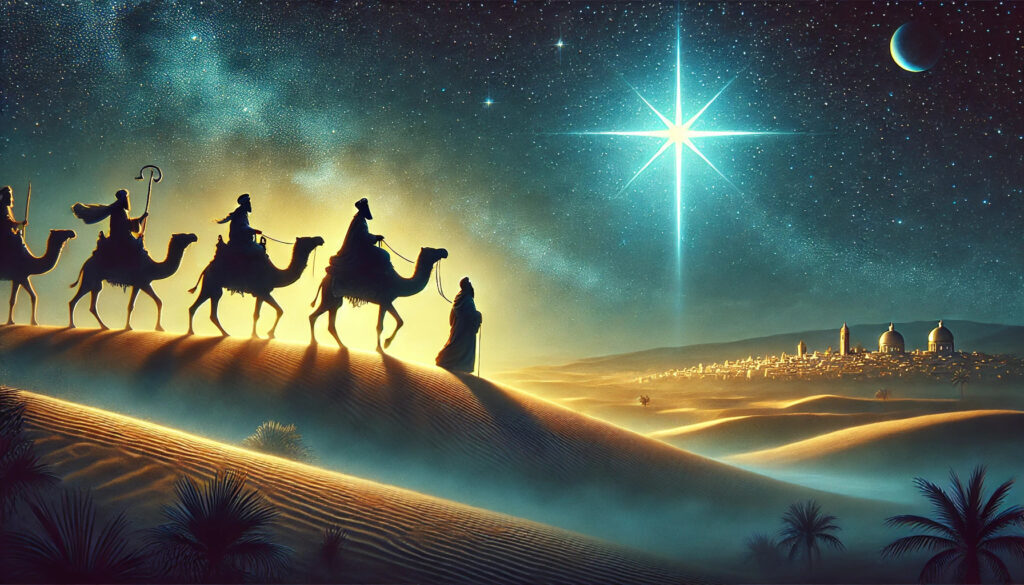
Let’s cut the fluff. The big night is January 5th. That’s when Melchior, Caspar and Balthazar supposedly ride into every town and city, and the morning of January 6th is when the gifts actually appear under the tree. January 6th is the Epiphany, the official feast day in the Christian calendar, but the real action for kids happens the night before. Miss that window and you’re explaining to a seven-year-old why the camels skipped your street.
Three Wise Men parade schedule: what time do they actually show up?
Most Spanish and Latin American cities run their Three Wise Men parade on the evening of January 5th, usually starting between 5:00 PM and 7:00 PM. Madrid’s Cabalgata de Reyes typically kicks off around 6:30 PM and crawls through the center for hours. Barcelona starts earlier, often around 5:00 PM, because the route is longer and the crowds are brutal.
Smaller towns? Totally unpredictable. Some start at 4:00 PM so kids can get home before it gets too cold. Others wait until 8:00 PM because that’s when the local band is available. My advice: check your town hall’s website or social media the first week of January. Don’t trust last year’s schedule — routes change, and nothing ruins the night like standing on the wrong street with a thermos of hot chocolate.
If you’re in a big city, arrive at least an hour early. Seriously. The best spots near the start of the route fill up fast, and once the floats pass, they don’t come back. In Madrid, the stretch around Plaza de Cibeles gets packed by 5:00 PM. In Barcelona, the area near Port Vell is chaos by 4:30 PM.
The trick to get the Three Wise Men to leave more gifts
Here’s where tradition meets strategy. The classic move is leaving your shoes under the tree or by the window, along with something for the camels — grass, water, maybe a carrot. That’s the baseline. But if you want the Three Wise Men to leave more gifts, you need to go further.
First, write a proper letter. Not a WhatsApp message. A real letter, handwritten if possible, addressed to Melchior, Caspar and Balthazar. Mention something specific you did well that year. Kids who write detailed letters tend to get more thoughtful gifts — or at least that’s the story parents tell.
Second, leave a snack. Not just for the camels — for the kings themselves. A glass of milk, some turrón, a couple of cookies. In some households, families leave a small glass of wine or a shot of brandy. The idea is hospitality. The kings have been traveling for weeks; they appreciate the gesture.
Third, and this is the one people forget: clean your shoes. The tradition says the kings only leave gifts in clean shoes. Dirty football boots? You’re getting a lump of coal. This isn’t just folklore — it’s a handy way to get kids to tidy up before bed on January 5th.
Why January 5th and not January 6th?
The biblical story says the Magi arrived in Bethlehem after following a star, and they found Jesus sometime after his birth. The Church set the Epiphany on January 6th to celebrate that arrival. But the gift-giving part drifted to the night before because that’s when families were together, kids were in bed, and parents could actually set things up without being seen.
So the Three Wise Men arrival is a mix of religious tradition and practical parenting. The night of January 5th became the magical window. By the time January 6th rolls around, the gifts are already there, and the day is for family meals, roscón and recovering from the sugar overload.
Roscón de Reyes: the dessert with a hidden mission
You can’t talk about January 6th without the Roscón de Reyes. This ring-shaped cake shows up on every table, and it’s not just sweet — it’s a game. Inside, bakers hide a small figure (usually baby Jesus) and a dried bean. Find the figure and you’re crowned king or queen for the day. Find the bean and you pay for the roscón next year.
Some families take this very seriously. I’ve seen grown adults dig through the cake with surgical precision. Others just buy it, eat it and ignore the plastic figurine entirely. Either way, the roscón is non-negotiable. If you’re buying one in 2026, order ahead. Good bakeries sell out by January 3rd.
Quick checklist for January 5th
- Parade time: Check your local schedule — usually between 5:00 PM and 7:00 PM.
- Shoes: Clean them and place them under the tree or by the window.
- Letter: Write it before dinner, not at midnight.
- Snacks: Leave something for the kings and the camels.
- Roscón: Buy it early or bake it yourself if you’re brave.
- Bedtime: Get the kids to sleep before you start wrapping. Trust me.
The Three Wise Men schedule 2026 doesn’t change much from year to year, but the magic depends on how you play it. The parade, the letter, the shoes, the roscón — it’s all part of a ritual that’s been passed down for centuries. Whether you’re religious or just here for the cake, January 5th is a night worth doing right.
And if you’re wondering about the trick to get more gifts, it’s not about being perfect. It’s about showing effort. A handwritten letter, a clean pair of shoes and a bit of hospitality go a long way. The kings appreciate that. Or at least, the parents playing the kings do.
