

Post actualizado el día octubre 17, 2026 by DeiviSanzPlay
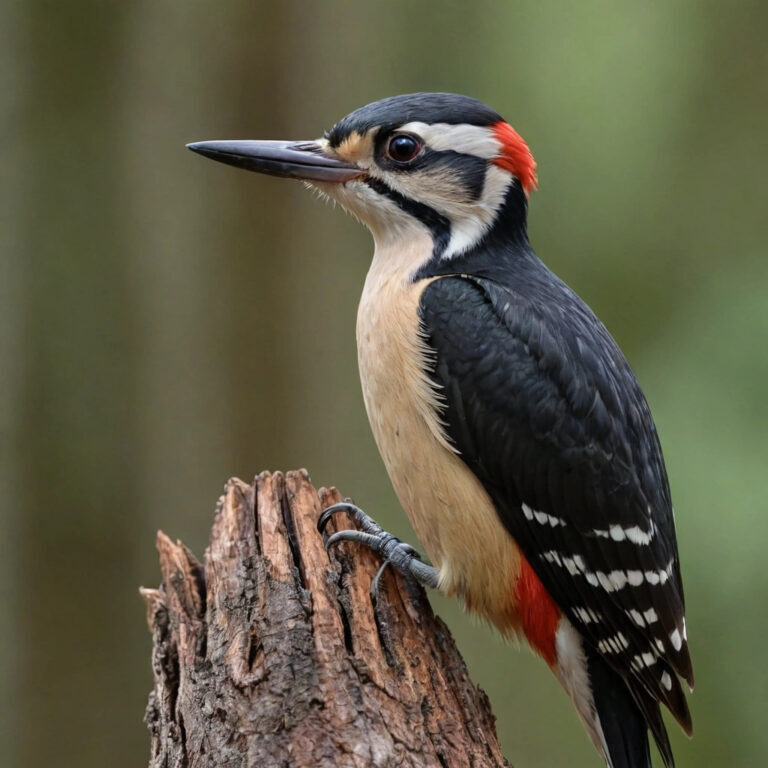
The woodpecker isn’t just that noisy bird hammering away at tree trunks at dawn. It’s one of the most underrated architects of the forest, a species whose daily routine quietly holds entire ecosystems together. If you’ve ever wondered what bird keeps forests alive without anyone noticing, this is it.
Most people hear the drumming and think it’s just noise. But that rhythmic pecking is a woodpecker doing three jobs at once: eating, communicating, and remodeling the neighborhood for dozens of other species. That’s the real woodpecker meaning in nature — not a pest, not a curiosity, but a keystone species.
What Does a Woodpecker Actually Do All Day
A woodpecker spends most of its waking hours hunting for insects hidden under bark. Beetle larvae, ants, termites, and wood-boring grubs are its main menu. To get them, it drills, pries, and uses a tongue that wraps around its own skull — yes, really — to extract prey from deep tunnels.
That feeding habit turns the woodpecker into a natural pest controller. When bark beetle outbreaks threaten pine forests, woodpecker populations are often the first line of defense. Studies in North America have shown that areas with healthy woodpecker numbers suffer less tree mortality during beetle infestations. No chemicals, no spraying — just birds doing what they’ve done for millions of years.
There’s a nuance here, though. Woodpeckers don’t eliminate pests. They regulate them. Anyone selling the idea that a few woodpeckers will wipe out an infestation is overselling it. What they do is keep numbers in check so forests don’t collapse.
Why Woodpeckers Are Nature’s Best Nest Builders
Here’s the part that genuinely surprises people: roughly 70% of the cavities woodpeckers excavate end up being used by other animals. Not by the woodpecker itself. By everyone else.
Think about that. A single woodpecker can chisel out a new nest hole every breeding season, abandoning last year’s cavity. Those abandoned holes become real estate for owls, squirrels, flying squirrels, bluebirds, kestrels, bats, and even some reptiles. In many forests, woodpeckers are the only animals capable of creating cavities large enough for bigger species.
This is why biologists call them ecosystem engineers. Remove woodpeckers from a forest and you don’t just lose one bird — you lose the housing market for half the wildlife community.
Do Woodpeckers Really Disperse Seeds
Yes, though not in the way most people assume. Woodpeckers aren’t classic seed dispersers like thrushes or jays. Their main contribution is indirect. By drilling into dead or dying trees, they accelerate decay, which helps release nutrients and creates conditions where new vegetation can establish.
Some species, like the acorn woodpecker in the American Southwest, do cache thousands of acorns in granary trees. Not all of those acorns get eaten. Some sprout. That’s seed dispersal, accidental but effective.
So the woodpecker seed disperser role exists, but it’s a side effect of caching and foraging — not a deliberate ecological service. Still counts.
How Woodpeckers Help Other Animals Survive Winter
During cold months, when insects vanish, woodpeckers switch to sap, nuts, and seeds. In the process, they create sap wells — small holes that leak sugary sap. Hummingbirds, warblers, and even butterflies feed at those wells. Without woodpeckers, many of these species would struggle to find calories in early spring.
That’s a food chain connection most people never see. One bird’s breakfast becomes another bird’s lifeline.
Are Woodpeckers Endangered or Thriving
It depends on the species. The ivory-billed woodpecker is likely extinct. The red-cockaded woodpecker is endangered in the U.S. due to habitat loss. But common species like the great spotted woodpecker and the pileated woodpecker are holding steady or even expanding in some regions.
The biggest threat isn’t hunting or predators. It’s dead wood removal. When forests are «cleaned up» for timber or safety, woodpeckers lose both food and nesting sites. Old, decaying trees are not waste — they’re infrastructure.
If you own land with dead standing trees, leaving a few snags can double local woodpecker activity within a couple of years. That’s not opinion; it’s what forestry studies consistently show.
Why the Woodpecker Matters More Than You Think
Woodpeckers sit at the intersection of forest health, biodiversity, and pest regulation. They feed on insects that kill trees, they build homes for dozens of species, and they help regenerate forests by accelerating natural decay cycles.
Calling them just another bird misses the point. A forest without woodpeckers is a forest losing its maintenance crew. The drumming you hear isn’t noise — it’s the sound of an ecosystem staying alive.
Next time you spot one clinging to a trunk, don’t just walk past. You’re looking at one of the hardest-working birds in the woods, and most of its work happens after it flies away.


