Post actualizado el día octubre 26, 2026 by DeiviSanzPlay
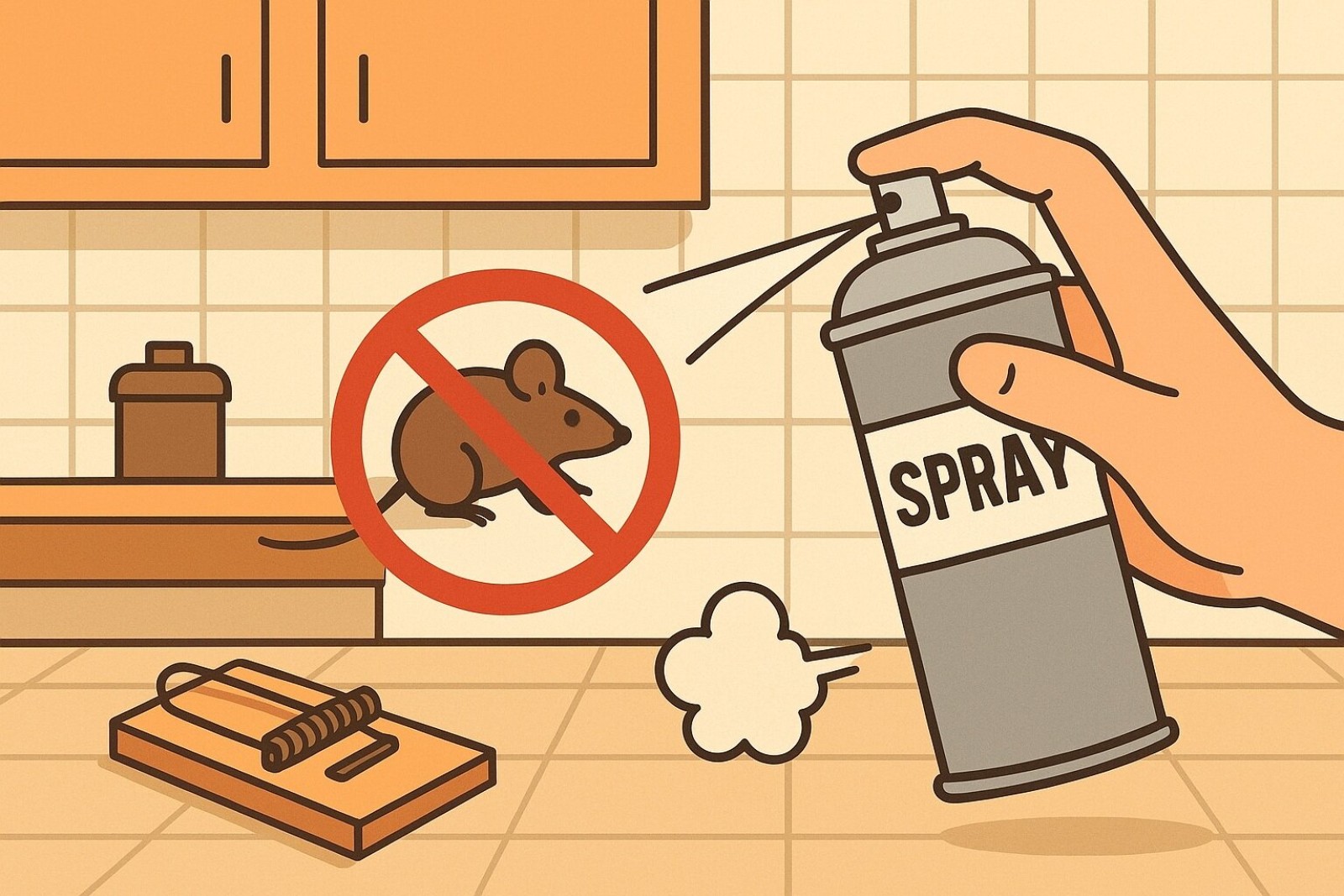
So you’ve spotted a beehive hanging from your window frame, tucked under the eaves, or buzzing around the garden shed. Before you grab a broom or a can of spray, stop. What you do in the next ten minutes decides whether this ends with a story or with a trip to the ER. A beehive invasion is not a pest problem like ants or mice, and treating it that way is exactly how people get hurt.
I’ve talked to beekeepers who get called out to «emergencies» that were just a swarm resting for 48 hours, and I’ve seen people try to knock down a two-year-old colony with a tennis racket. That second group is the one that ends up in the news. Here’s the real breakdown, no fluff.
What a Beehive Is Actually Made Of (Spoiler: Not Just Wax)
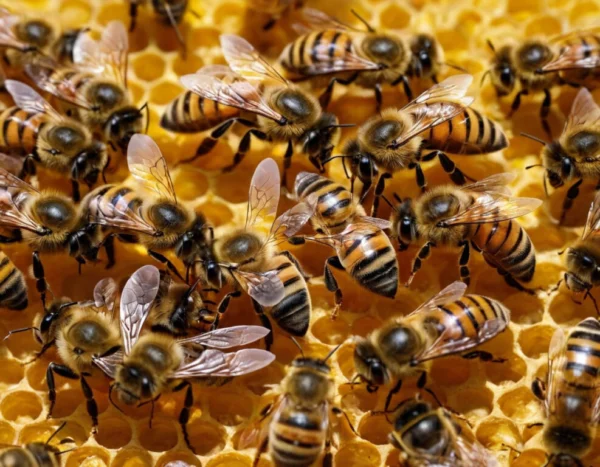
Everyone pictures honeycomb as pure beeswax. It’s mostly wax, sure, but the structure is a composite. Worker bees secrete wax from glands on their abdomen, then mix it with propolis (a resin they collect from tree buds) and traces of pollen. That cocktail makes the comb surprisingly strong.
The hexagonal geometry isn’t decoration either. It’s the most material-efficient shape for storing honey, and a mature hive can hold several kilos of honey without collapsing. When a beehive is built inside a wall cavity or a chimney, that same engineering works against you: the comb is anchored to the structure, and pulling it out wrong means tearing open your house.
Why location changes everything
An exposed hive hanging from a tree branch is a manageable problem. A hive inside a wall, a roof void, or under floorboards is a demolition-and-repair job, not a removal job. Beekeepers will often refuse the second type because cutting comb out of a cavity without killing the colony requires special equipment and hours of work.
How to Make an Artificial Beehive (If You Actually Want Bees)
Some people reading this aren’t trying to get rid of bees, they want to attract them. If that’s you, building a starter hive is genuinely simple, but there’s a right way and a way that just wastes money.
- Wooden frames with the standard Langstroth dimensions, available at any beekeeping supplier.
- Embossed wax foundation, which already has the hexagonal cell pattern pressed into it so bees start building in the right direction.
- An empty hive box with a bottom board, entrance reducer, and lid.
Warm the foundation slightly so it sits snugly in the frame groove, drop it in, and let the bees do the rest. If a swarm ignores your box for a week, rub a bit of beeswax or a drop of lemongrass oil on the entrance. That scent mimics the pheromone a scout bee leaves behind, and it’s the single most reliable trick to make an artificial beehive attractive.
Don’t paint the inside of the hive. Bees regulate their own environment, and fumes from fresh paint can drive off a new colony before it settles.
Removing a Beehive Yourself: When It’s Acceptable and When It’s Stupid
Let’s be clear about the threshold. You can attempt a DIY removal only if the hive is small (roughly the size of a football or less), fully exposed, and reachable from the ground without a ladder. Anything else, call someone.
If it does meet those conditions, here’s the sequence that works:
- Wait until dusk or early morning. Bees are sluggish and most foragers are inside.
- Wear thick clothing, boots, and gloves. Tape your sleeves and pant cuffs.
- Mist the hive with soapy water. It doesn’t kill them instantly, but it disrupts their ability to fly and communicate.
- Cut the comb free and drop it straight into a sealed bag or container.
- Move away immediately. Any bees that were out foraging will return to the smell and be agitated.
What you must never do is spray a hive with insecticide during the day and then walk away. You’ll leave thousands of angry survivors with no home and a serious grudge. That’s how beehive removal turns into a multi-day nightmare.
Who to Call for Beehive Removal (And Who to Avoid)
The right call depends entirely on where the hive is and how big it is.
- Local beekeepers: Your first call, always. Many will remove a swarm or accessible hive for free because they want the bees alive. Search your regional beekeeping association directory.
- Firefighters or civil protection: Only in genuine emergency situations, like a hive blocking an exit or a confirmed allergy risk. In many areas they no longer handle routine removals.
- Pest control companies: A last resort. Ask specifically whether they relocate or exterminate. Some now offer live removal, but you have to ask.
For anything structural, look for a contractor who specializes in «cut-outs» rather than a general exterminator. They open the cavity, remove the comb and honey, treat the space so it doesn’t attract a new swarm, and rebuild.
The hidden cost nobody mentions
If a colony has been inside a wall for more than a season, there’s leftover honey and wax in there. If you seal the wall without removing it, you get melting honey, stains, and a secondary invasion of ants and rodents. Budget for the repair, not just the removal.
Why Killing Bees Is a Bad Deal for Everyone
Bees pollinate roughly a third of the food crops we depend on, and wild colonies are already under pressure from disease, pesticides, and habitat loss. But even setting the ecology argument aside, exterminating a hive on your property is usually the more expensive and messier option.
Dead bees inside a wall mean rotting comb, and rotting comb means a smell that lasts months. Relocation solves your problem in a few hours and keeps the colony working somewhere else. Only reach for insecticide if a licensed professional tells you there’s no alternative and you’ve exhausted the relocation route.
Beehive FAQs People Actually Search For
How fast can bees build a hive?
A strong swarm can draw out fresh comb in two to three days. A full-sized colony takes a season to build something substantial. If you saw nothing last week and a hive this week, it’s probably a swarm that just moved in.
Are beehives dangerous?
Honeybee colonies are defensive, not aggressive. They sting when they perceive a threat to the hive, which is why distance is your best protection. The exception is if anyone nearby has a known allergy, in which case treat any hive as urgent.
Can you sell a beehive?
You can sell the honey and wax, but selling honey commercially requires food safety permits. Selling a live colony to a beekeeper is legal in most places and often the easiest exit if you don’t want it.
How do you tell a beehive from a wasp nest?
Honeybee combs are made of visible wax cells and usually hang in exposed clusters. Wasp nests look like papery gray structures, often with a single entrance hole. Different problem, different solution, so get the ID right before you act.
What to Do Right Now
If the hive is small, exposed, and you can reach it safely, dusk removal with soapy water is a legitimate option. If it’s large, inside a structure, or anyone in the house is allergic, stop reading and call a beekeeper or a cut-out specialist today. And if you just like the idea of having bees around, building an artificial beehive and letting a swarm move in is far more rewarding than fighting one off your balcony.
One last thing worth knowing: a worker bee lives about six weeks and produces roughly a teaspoon of honey in her entire life. That hive on your window represents thousands of lifetimes of work. Handle it accordingly.