

Post actualizado el día September 27, 2026 by DeiviSanzPlay
Generation Z, also known as, smartphones and the, previous and subsequent:
| Generation | Birth Years (approximate) | Key Characteristic | ||
|---|---|---|---|---|
| Generation X | 1965 – 1980 | Grew up in the postwar period, independent and witnesses to the beginning of the revolution, surrounded by enormously financial stability and security, saving and researching thoroughly before making purchasing decisions. | They seek flexibility and purpose, with emphasis on work-life balance. | They seek stability and security. Entrepreneurs, they value clear development and mental health. |
| Communication style | Open, collaborative. They popularized Facebook and Instagram. | They value privacy. They prefer ephemeral networks (Snapchat) or personalized algorithms (TikTok). | ||
| Activism | Tendency toward in-person activism (marches, organizations). | Digital and niche activism. They mobilize causes through networks, video games and online communities. |
? Technology and Mental Health: A Complex Link
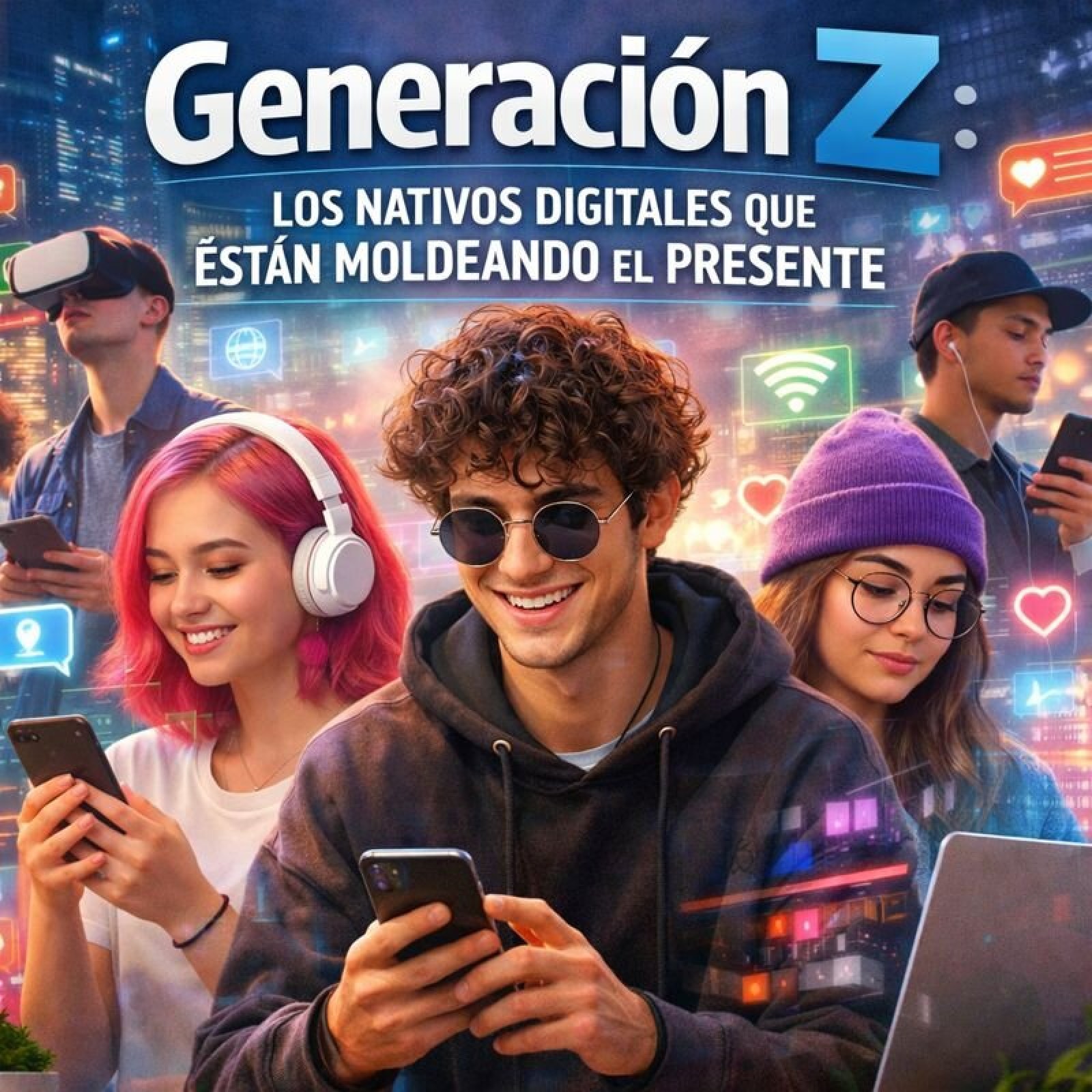
For Generation Z, the digital and the physical are not separate spheres, but integrated (a concept sometimes called phigital). They spend between 6 and 10 hours a day on the internet, with TikTok, Instagram and YouTube as their reigning platforms for entertainment, information and socialization.
However, this hyperconnection has a flip side. Generation Z reports the highest levels of mental health problems (stress, anxiety, depression) among all current generations. Factors such as “climate anxiety”, economic pressure, social comparison on networks and the residual effects of the pandemic weigh on them. Although they are more likely to speak openly about these issues, which reduces stigma, the challenge to their well-being is significant.
? A Latin American Perspective
In Latin America, Generation Z represents around 160 million young people (one in four Latin Americans). They share global concerns, but in a context marked by job precarity, unequal access to quality technology and informality.
They are digital activists who use social networks, video game chats and tools such as artificial intelligence to organize, denounce injustices and fight for democratic and environmental causes, although often from specific niches and with an approach that can be perceived as more individualistic.
? Conclusion: The Impact and the Future
Generation Z is not the future; it is the present. They are entering the workforce en masse, redefining consumption patterns, transforming education and shaking up the social landscape with their demands for transparency, sustainability and inclusion.
Their pragmatism, their innate technological mastery and their desire to build a fairer world position them as a generation of founders and agents of change. Understanding their values, their contradictions and their codes is not an option for brands, educators and institutions; it is a necessity to connect with the world they are already building.
To delve deeper into specific topics, such as marketing strategies to connect with this generation or a more detailed analysis of their impact on the work environment, you can consult the specialized sources cited.